The scent of garlic warming in olive oil, a glass of good wine on the table and a bowl of pasta arriving hot from the kitchen should be pleasures everyone can share. So, do restaurants offer vegan pasta? Many do, particularly independent Italian restaurants that cook with seasonal ingredients, but the best answer is rarely found by looking for one word on a menu. It comes down to the pasta itself, the sauce, the finishing touches and a quick, friendly conversation with the team.
For vegan diners, pasta can be one of the most satisfying things to order out. It is comforting without being heavy when simply dressed, generous enough for a proper supper and naturally suited to the vegetables, pulses, herbs and olive oil that are at the heart of Italian cooking. A thoughtful restaurant can make it feel like a beautiful meal in its own right, rather than a compromise.
Do restaurants offer vegan pasta as standard?
Not always. Some restaurants have a clearly marked vegan pasta dish available every day; others can adapt a dish already on the menu. Smaller, seasonal restaurants may change their offering according to what is at its best from the market, so a vegan option can vary from one visit to the next. That is often a sign of a kitchen cooking properly rather than relying on a fixed, factory-made menu.
The key distinction is between vegan-friendly and vegan by default. A tomato sauce may sound vegan, but the pasta served with it may contain egg. A dish of roasted vegetables may be finished with butter, Parmesan or a spoonful of cream. None of this makes the dish unsuitable in spirit, but it does mean that clear information matters.
A good restaurant will welcome the question. It should be able to explain what is in the pasta and sauce, suggest what can be changed safely, and be honest where an adaptation is not possible. The aim is not to turn the kitchen upside down. It is to find the delicious choices already within the restaurant’s style of cooking.
The pasta matters as much as the sauce
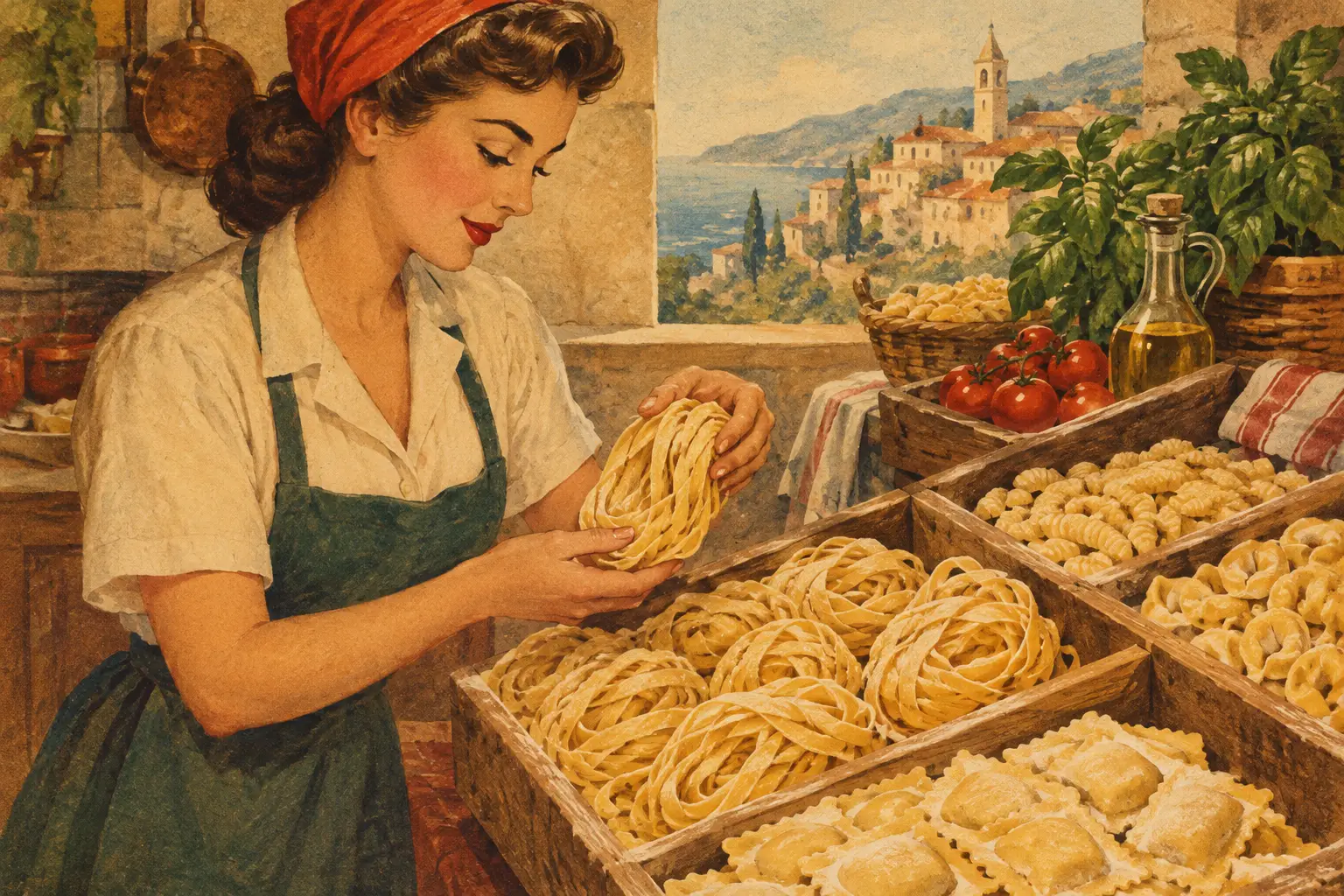
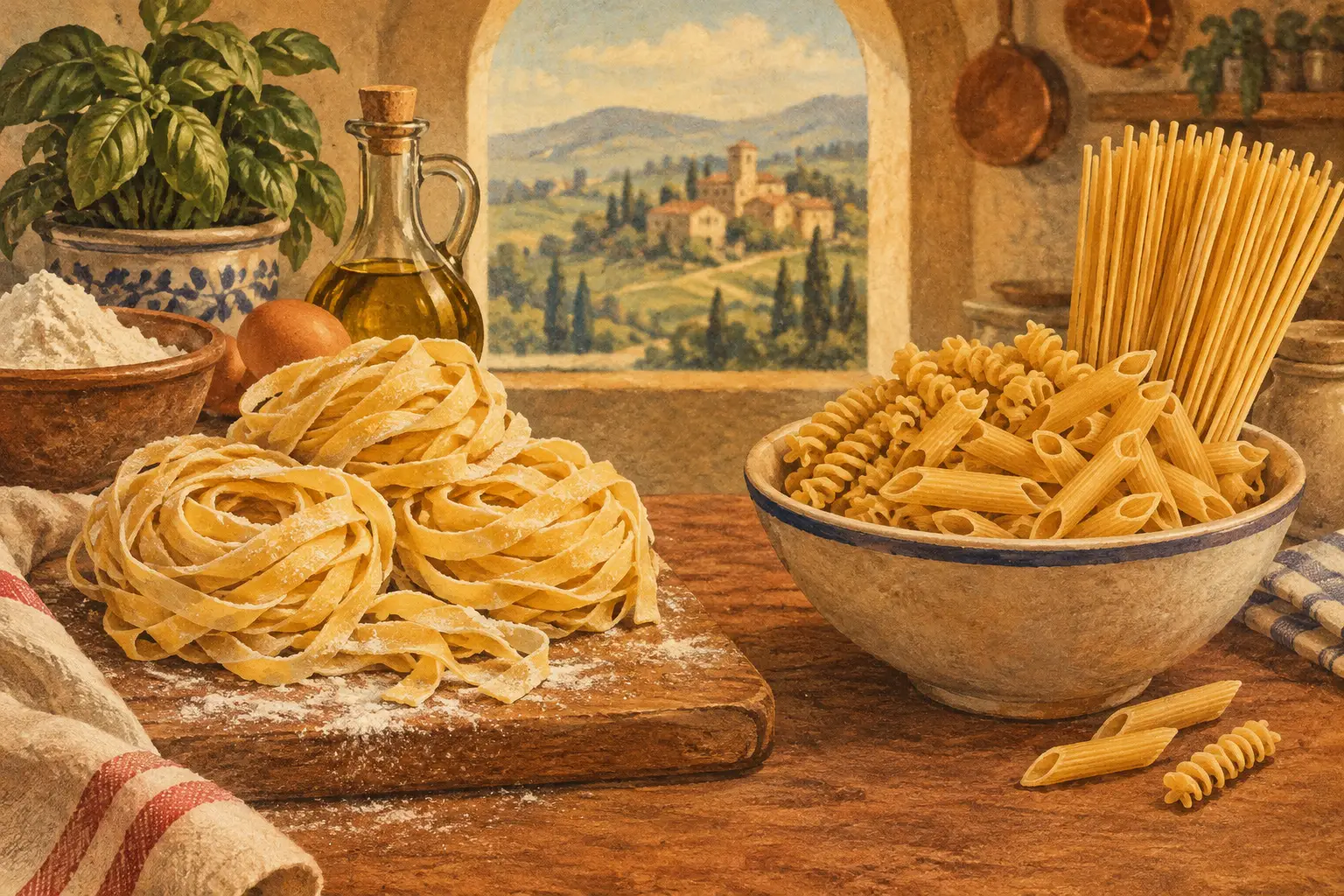
In Italy, fresh pasta is often made with flour and eggs. Tagliatelle, ravioli, lasagne sheets and many other silky, hand-rolled shapes traditionally rely on egg for their richness and texture. They may be superb, but they are not vegan.
Dried pasta, on the other hand, is frequently made from durum wheat semolina and water alone. Spaghetti, penne, linguine and rigatoni are often suitable, though recipes differ between producers. A restaurant serving freshly made pasta may also keep a dried egg-free shape for guests with dietary requirements, but it is sensible to ask rather than assume.
There is a trade-off worth appreciating here. Fresh egg pasta brings a tender, luxurious bite that works beautifully with slow-cooked ragùs and buttery sauces. Dried pasta has its own great virtue: a firm texture that catches olive-oil-based sauces, tomatoes and vegetables brilliantly. Vegan pasta need not imitate an egg pasta dish to be satisfying. It simply needs the right pairing.
What makes an Italian pasta sauce vegan?
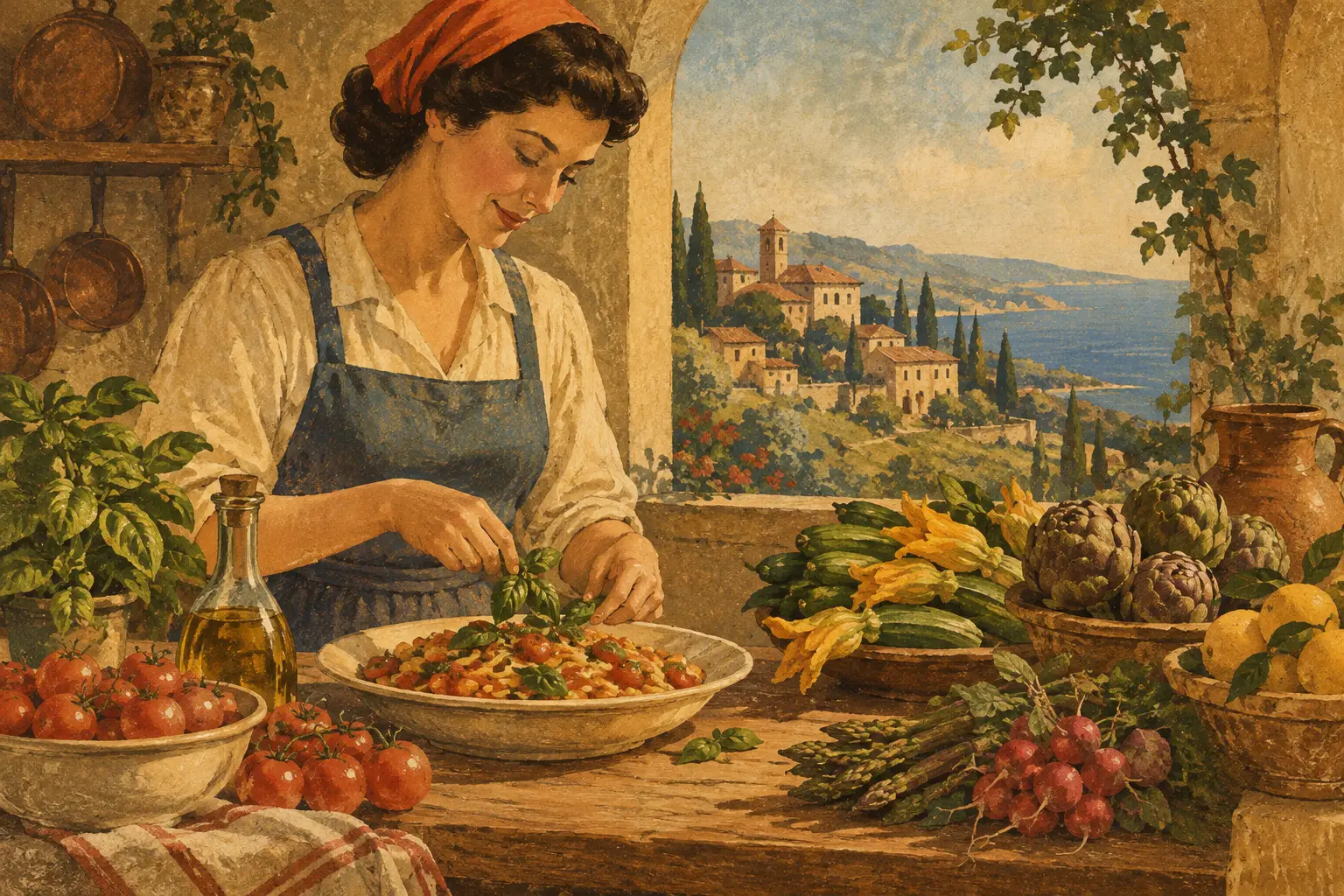
The most naturally vegan sauces tend to be the simplest. A sauce built around ripe tomatoes, garlic, chilli, basil, capers, olives, aubergine, courgette, wild mushrooms or greens can be full of depth without dairy. Olive oil is not an afterthought in these dishes. Used generously and well, it carries flavour, rounds out acidity and gives the sauce a lovely gloss.
Classic combinations can work particularly well: tomato with garlic and basil, slow-cooked aubergine with herbs, or greens tossed with chilli and lemon. A seasonal vegetable sauce can be just as inviting, especially when the kitchen treats the vegetables with care – properly roasted, charred, braised or sautéed rather than simply added as an obligation.
The usual obstacles are easy to understand once you know where to look. Parmesan or pecorino is often grated over pasta just before it leaves the pass. Butter may enrich a tomato sauce or glaze vegetables. Cream can appear in a mushroom or truffle sauce. Pesto traditionally contains cheese, and sometimes pasta is cooked or finished in a stock that is not vegan. Even breadcrumbs can contain cheese, milk or egg.
This is why the phrase “without cheese” may not tell the whole story. Asking whether a dish can be made fully vegan gives the kitchen the information it needs to check each element.
A note on cheese substitutes
Some diners enjoy a plant-based cheese alternative; others would rather let excellent ingredients speak for themselves. Both preferences are fair. In a restaurant with a confident Italian kitchen, a vegan pasta may be at its best with toasted nuts, crisp breadcrumbs, fresh herbs, lemon zest or a little nutritional yeast, if available, rather than an imitation trying to do too much.
The important thing is balance. A bright tomato sauce needs sweetness and olive oil, not necessarily dairy. A mushroom dish needs savoury depth, which can come from slow cooking, garlic, herbs and quality seasoning. When the cooking is thoughtful, nobody should miss the feeling that the dish is complete.
How to ask for vegan pasta without making a fuss
A short question when booking is helpful if you are dining with a group or have a strict dietary requirement. It gives the restaurant time to prepare and avoids disappointment when you arrive. For a casual lunch or dinner, asking when you are seated is usually enough.
Try something simple: “Which pasta dishes can be made vegan today?” If you have seen a tomato or vegetable dish you fancy, ask whether the pasta contains egg and whether the sauce includes butter, cheese or stock. If you need reassurance about cross-contact, say so clearly. Vegan dining can mean different things to different guests, and a good team will not make assumptions.
It also helps to be open to the restaurant’s recommendation. The dish you had in mind may not be suitable, but there may be something better on that day’s menu. Seasonal cooking has its own rhythm. One week it may be sweet peas and mint; another, roasted squash and sage; later, tomatoes at their ripest. Letting the kitchen guide you can lead to a much more memorable plate.
Why independent Italian restaurants can be a good choice
Chain menus can be useful when you need certainty and a clear allergen guide. Yet an independent restaurant often offers something different: a direct conversation with people who know the food, prepare it on site and care about how a guest feels at the table.
That personal approach matters for vegan diners. A chef may be able to dress an egg-free pasta with a seasonal sauce, hold back the Parmesan, or create a simple off-menu combination from ingredients already prepared in the kitchen. It depends on how busy the service is, what has been made that day and whether dietary separation can be managed safely. Flexibility should never mean guesswork, but hospitality often begins with listening.
At L’assaggino in Richmond, the focus is on seasonal Italian cooking, freshly made pasta and rustic dishes full of flavour. For anyone planning a meal with vegan guests, the most useful approach is to mention requirements before visiting and allow the team to suggest what suits the menu that day. It keeps the experience relaxed and lets everyone concentrate on the good part: eating together.
A vegan pasta meal should still feel generous
The best vegan option is not a bare plate of pasta with a few vegetables pushed to the side. It should have contrast: softness and bite, sweetness and acidity, herbs, warmth and a little richness from oil, nuts or a well-reduced sauce. It should look considered, smell inviting and arrive at the table with the same care as every other dish.
Wine can make the occasion feel even more complete. A crisp Italian white is often lovely alongside lemon, herbs and green vegetables, while a fresh, medium-bodied red can suit tomato, aubergine and richer mushroom sauces. Tell the team what you are eating and ask for a suggestion. A good pairing is not about rules; it is about making the flavours sing together.
Whether you are meeting friends near Richmond station, arranging a family supper or choosing a restaurant for a small celebration, vegan pasta is entirely possible when the kitchen is open, informed and ingredient-led. Ask a clear question, be guided by what is seasonal, and choose the dish that sounds genuinely delicious – not merely the one that happens to be available.