A good celebration is often remembered in small flashes: the first glass poured, a dish passed across the table, someone asking for just one more forkful of pasta. The best event menus make room for those moments. They give guests something generous to share, while letting the host relax and enjoy the occasion rather than spend the evening answering questions about what everyone will eat.
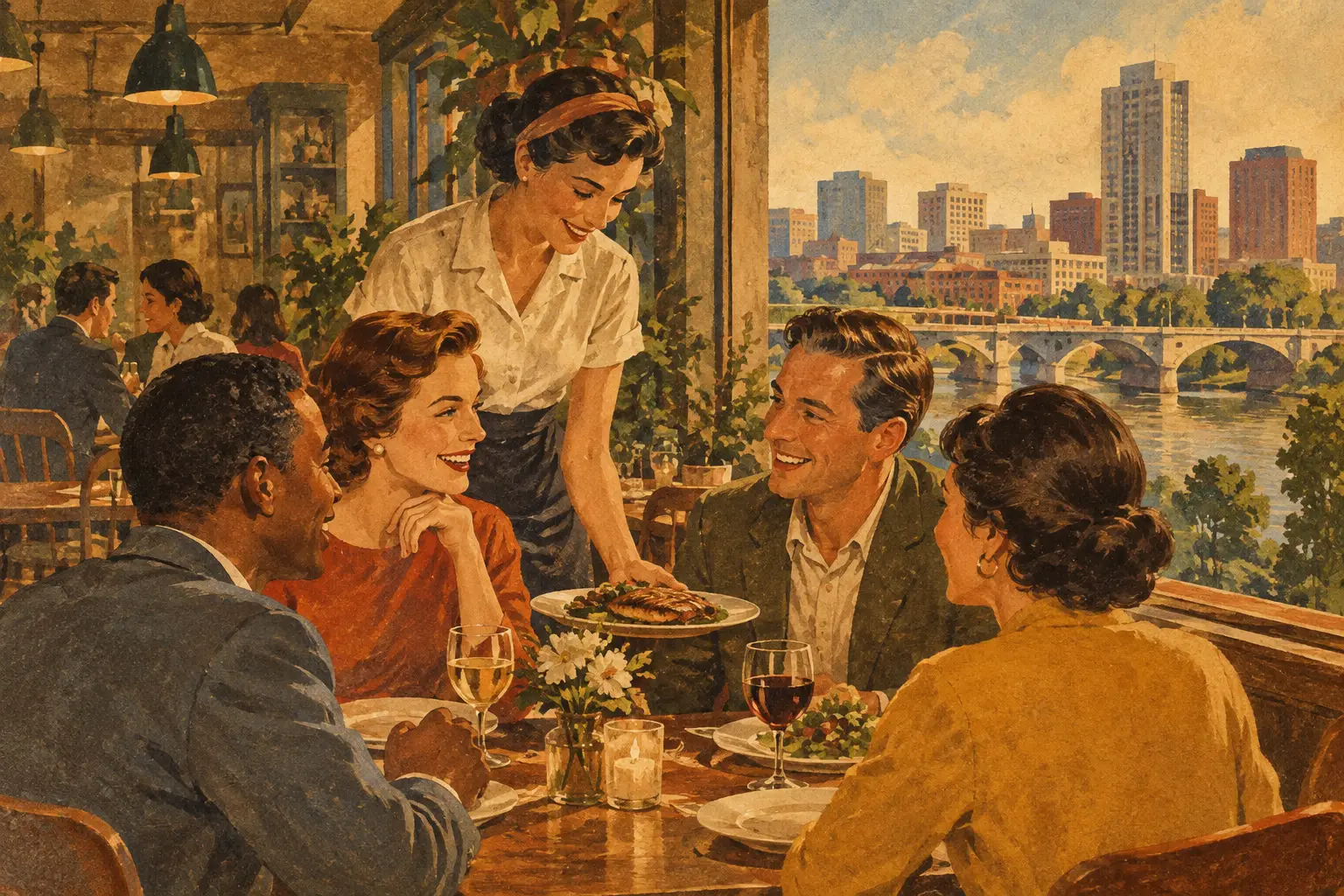
For a birthday supper, family gathering, wedding meal or team dinner in Richmond, food should feel considered without becoming fussy. Italian cooking is particularly suited to the job: seasonal ingredients, familiar pleasures, beautiful rustic dishes and a table that encourages people to stay a little longer.
Start with the feeling you want to create
Before choosing individual dishes, think about the atmosphere. A small anniversary dinner may call for a slower meal with a thoughtful wine pairing and a few special courses. A larger office gathering usually needs a lively rhythm, with food that arrives promptly and choices that are easy to make. A wedding lunch may sit somewhere between the two – personal and celebratory, but calm enough for speeches, photographs and different generations eating together.
The size of the party matters, but the character of the group matters more. Friends who meet regularly over long lunches may love a generous, shared beginning followed by pasta and wine. A group of colleagues who do not know one another well may feel more comfortable with a clear set menu and friendly guidance from the team.
There is no single perfect format. The aim is to make every guest feel included, well fed and never rushed.
Event menus work best when they are focused
Trying to offer every possible dish can make a private meal feel less personal, not more. A shorter menu gives the kitchen time to prepare each plate with care and helps the service flow naturally. It also means guests can look forward to the food together, rather than disappearing into a long list of decisions.
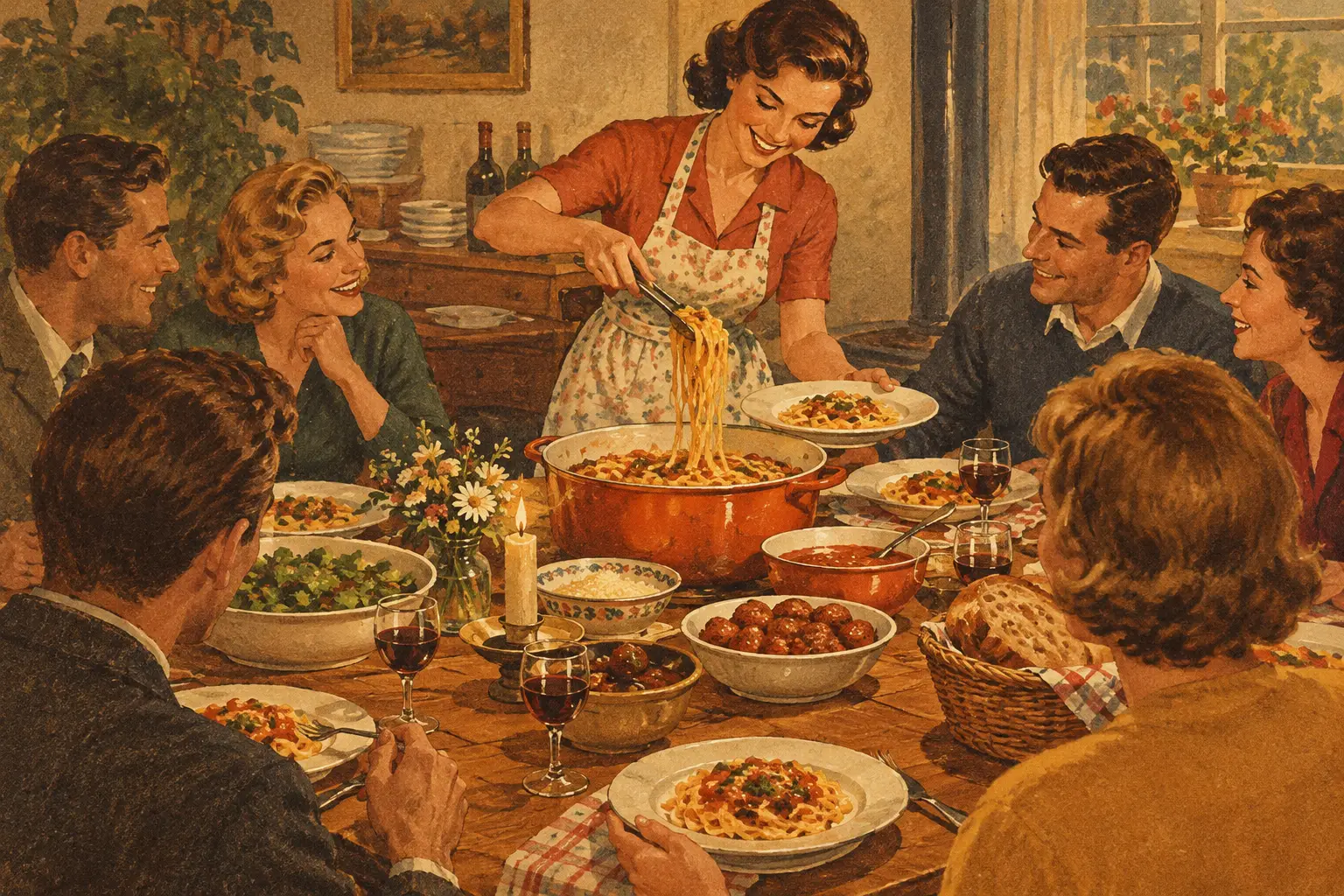
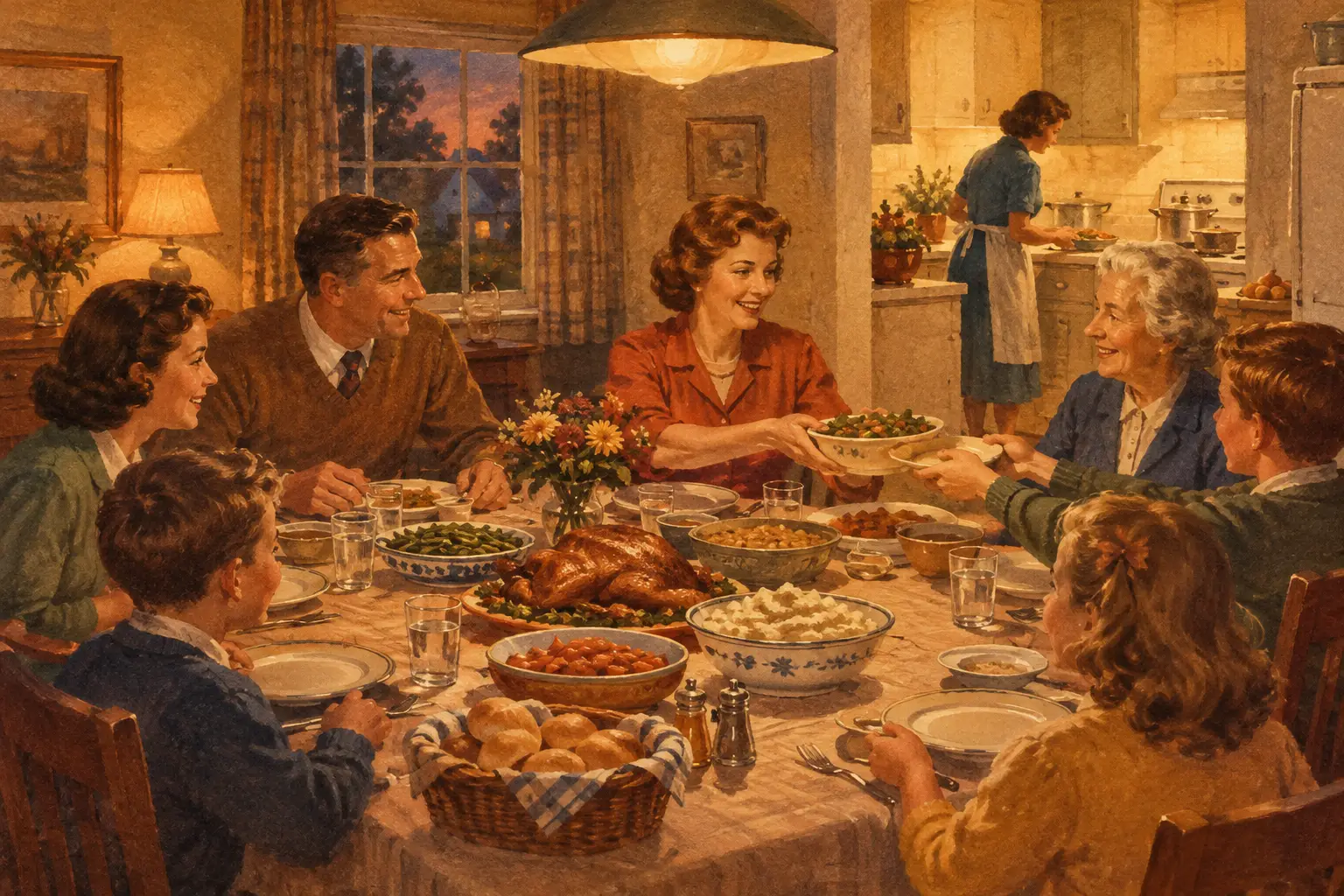
For most groups, two or three choices at each main point of the meal are plenty. A typical Italian event menu might begin with rustic starters for the table, followed by a choice of freshly made pasta, then a simple dessert to finish. This format has warmth built into it: people can share, compare dishes and talk about what they have enjoyed.
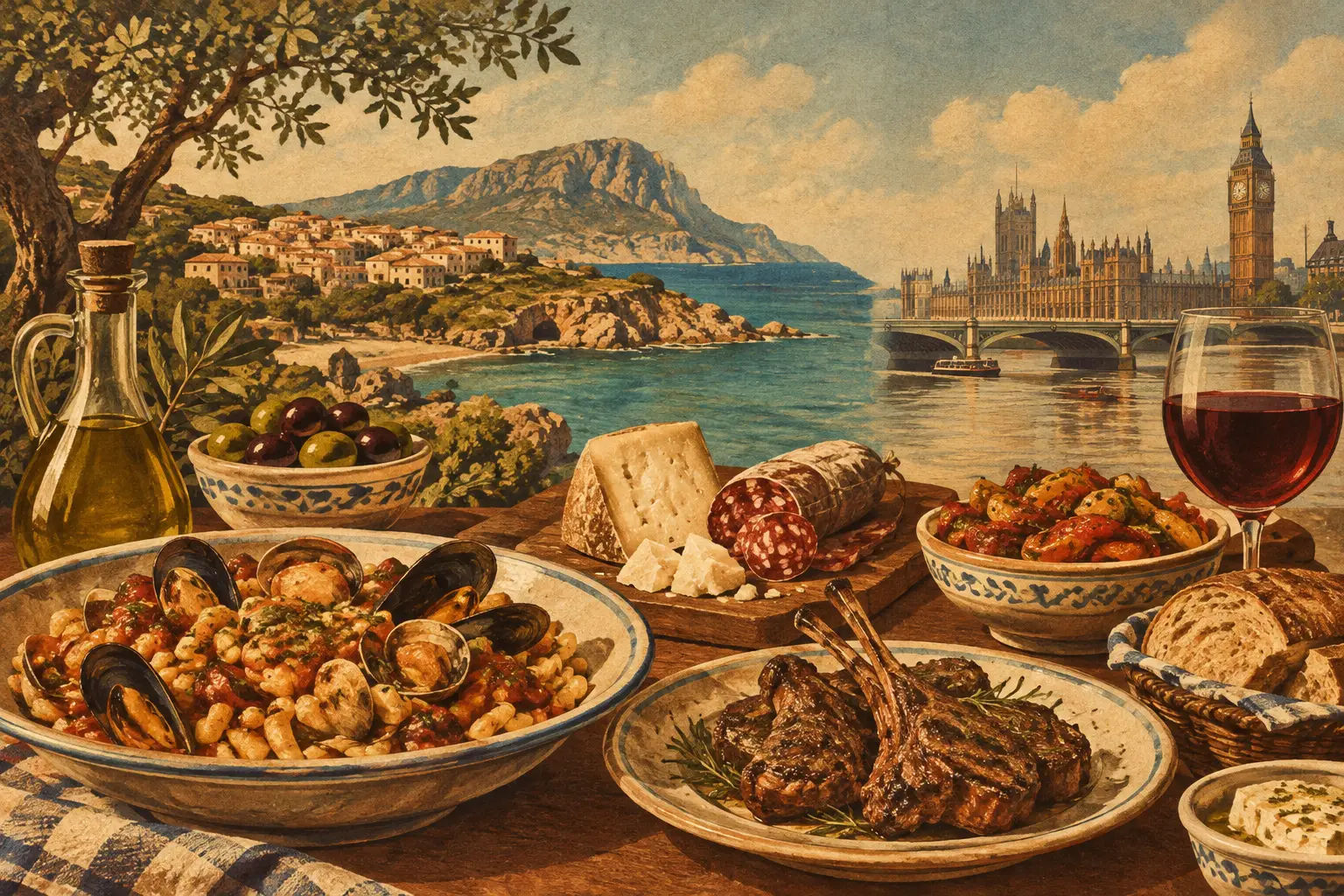
A shared starter is especially useful for bringing a room together. Think seasonal vegetables, cured meats, cheeses, seafood or warm bread alongside dishes with texture and colour. It gives late arrivals a chance to settle in and makes the first part of the evening feel sociable rather than formal.
Let fresh pasta take centre stage
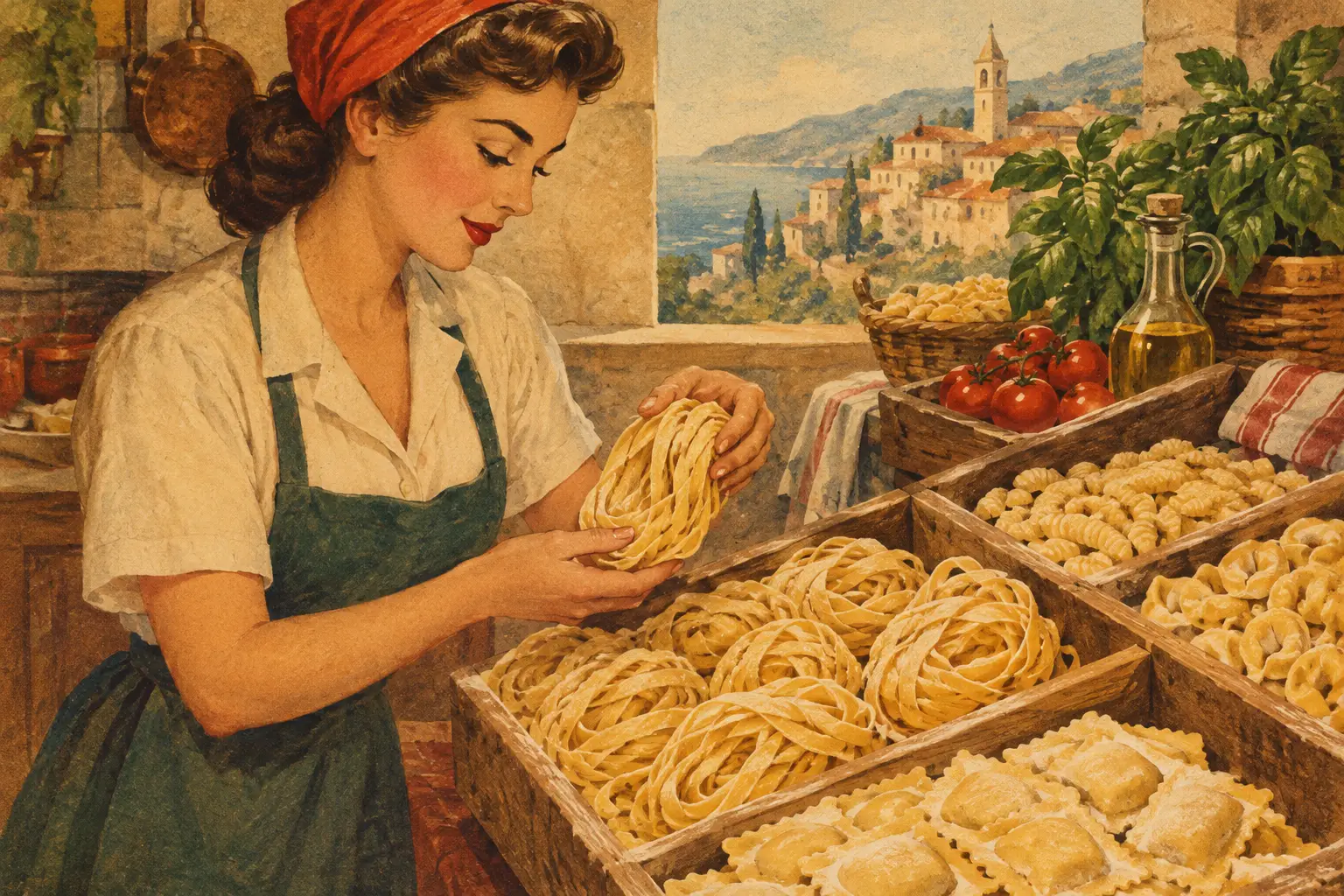
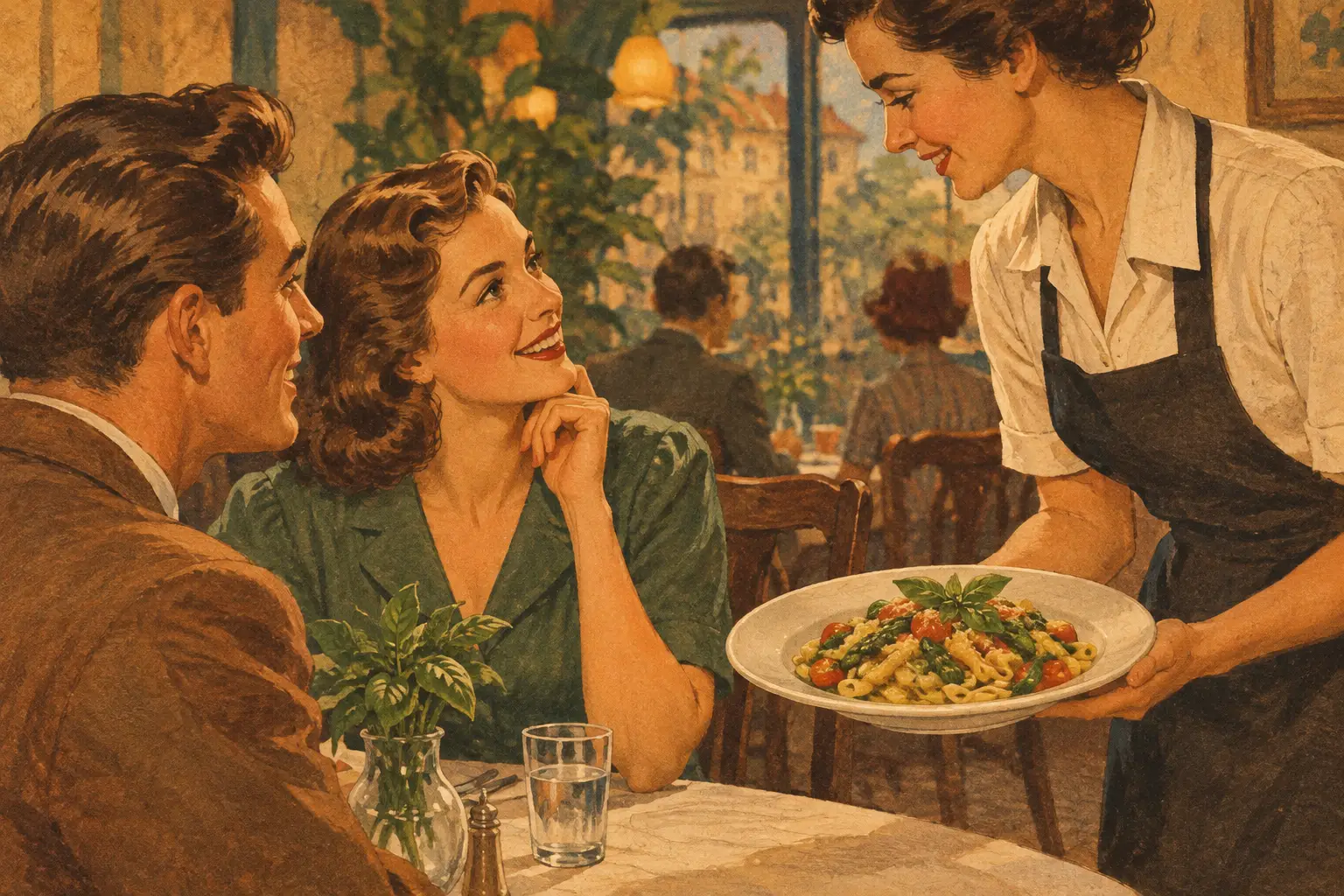
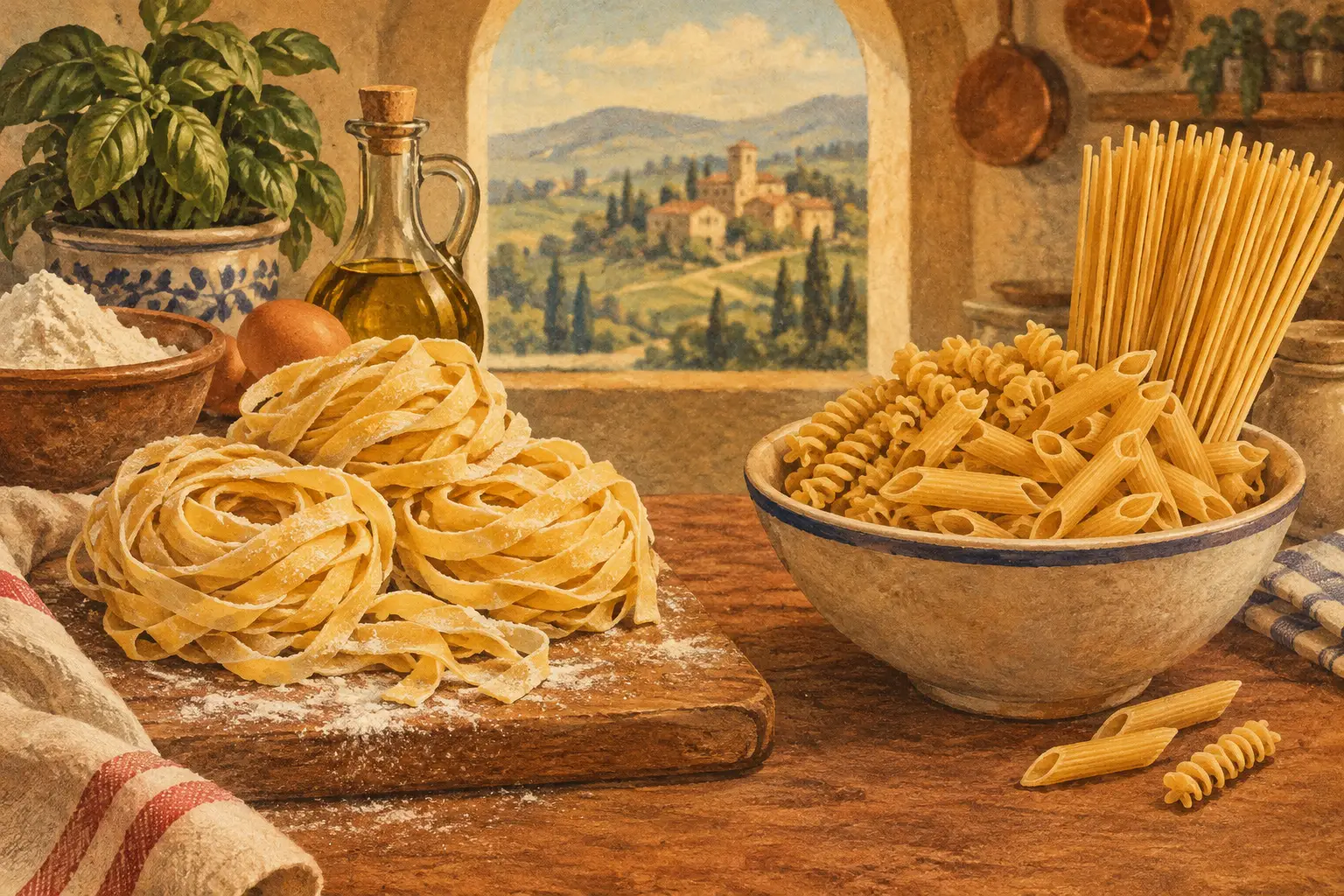
Pasta is generous, satisfying and naturally suited to a celebration. It can be comforting without being heavy, provided the sauce is balanced and the ingredients are allowed to speak for themselves. A rich ragù may suit a winter party, while a lighter dish with seafood, herbs or seasonal vegetables can feel just right for a spring or summer gathering.
The strongest menus offer contrast. If one pasta is rich and slow-cooked, another might be brighter and vegetable-led. If there is a delicate filled pasta, pair it with something more robust. Guests do not need an encyclopaedia of options; they need choices that genuinely feel different from one another.
At L’assaggino, that approach begins with the same principle as an ordinary dinner: simple, high-quality ingredients, prepared carefully and served with proper Italian warmth. For an event, it is this consistency that matters most. A special meal should still taste like the restaurant people chose in the first place.
Make dietary requirements part of the plan
Dietary needs should never be treated as an awkward addition at the end of the booking. Ask guests in advance, then shape the menu around the group. Vegetarian, vegan and gluten-free diners deserve dishes that have been created with as much care as everything else, rather than a last-minute substitute.
This is one area where a pre-arranged menu makes life easier for everyone. The host can collect requirements before the event, the kitchen can prepare properly, and guests can arrive knowing they will be looked after. It also reduces delays at the table, particularly with larger parties.
Be clear about serious allergies and intolerances when booking. A good restaurant will explain what can be accommodated and where practical limits may apply. Honesty is far more useful than making promises that a busy kitchen cannot safely keep.
Choose wine with the table, not just the food
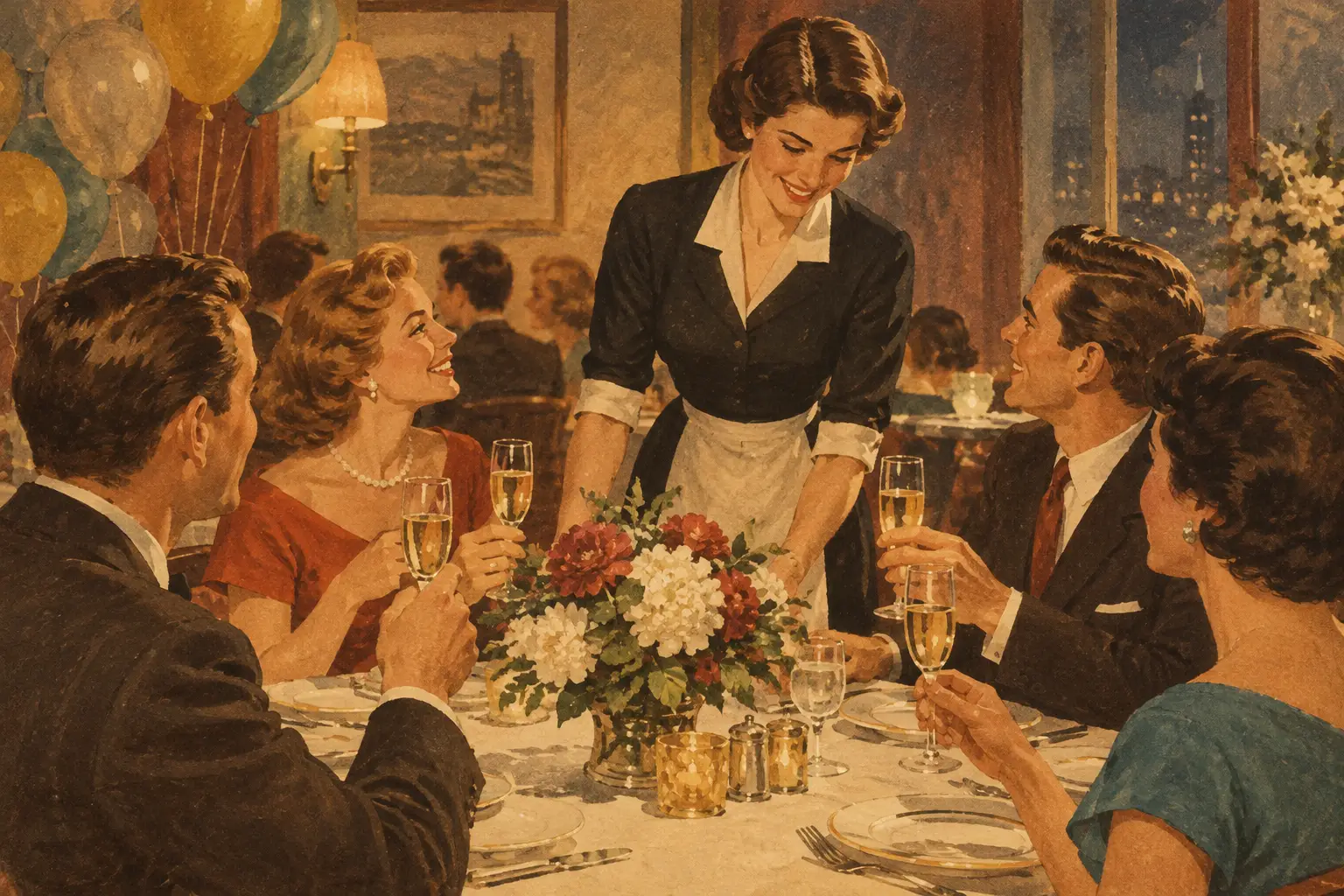
Wine can set the pace of a celebration. An aperitif on arrival gives guests an easy way to begin talking, while carafes or bottles on the table create a relaxed, convivial feel. For some occasions, a welcome glass of prosecco is exactly right. For others, a considered selection of Italian whites and reds brings an extra sense of occasion.
The simplest approach is often the best: choose one fresh white, one versatile red and sparkling wine if the event calls for it. A crisp white works beautifully with seafood, vegetables and lighter pasta sauces. A medium-bodied red is an easy companion for ragù, mushrooms and richer dishes. Include good alcohol-free choices too, so nobody feels as though they are drinking an afterthought.
A wine tasting evening is different. There, the menu should support the bottles rather than compete with them. Smaller courses, well-paced pours and a little explanation can turn a dinner into a memorable shared experience. Keep the food grounded and generous, and let the conversation do the rest.
Leave room for the season
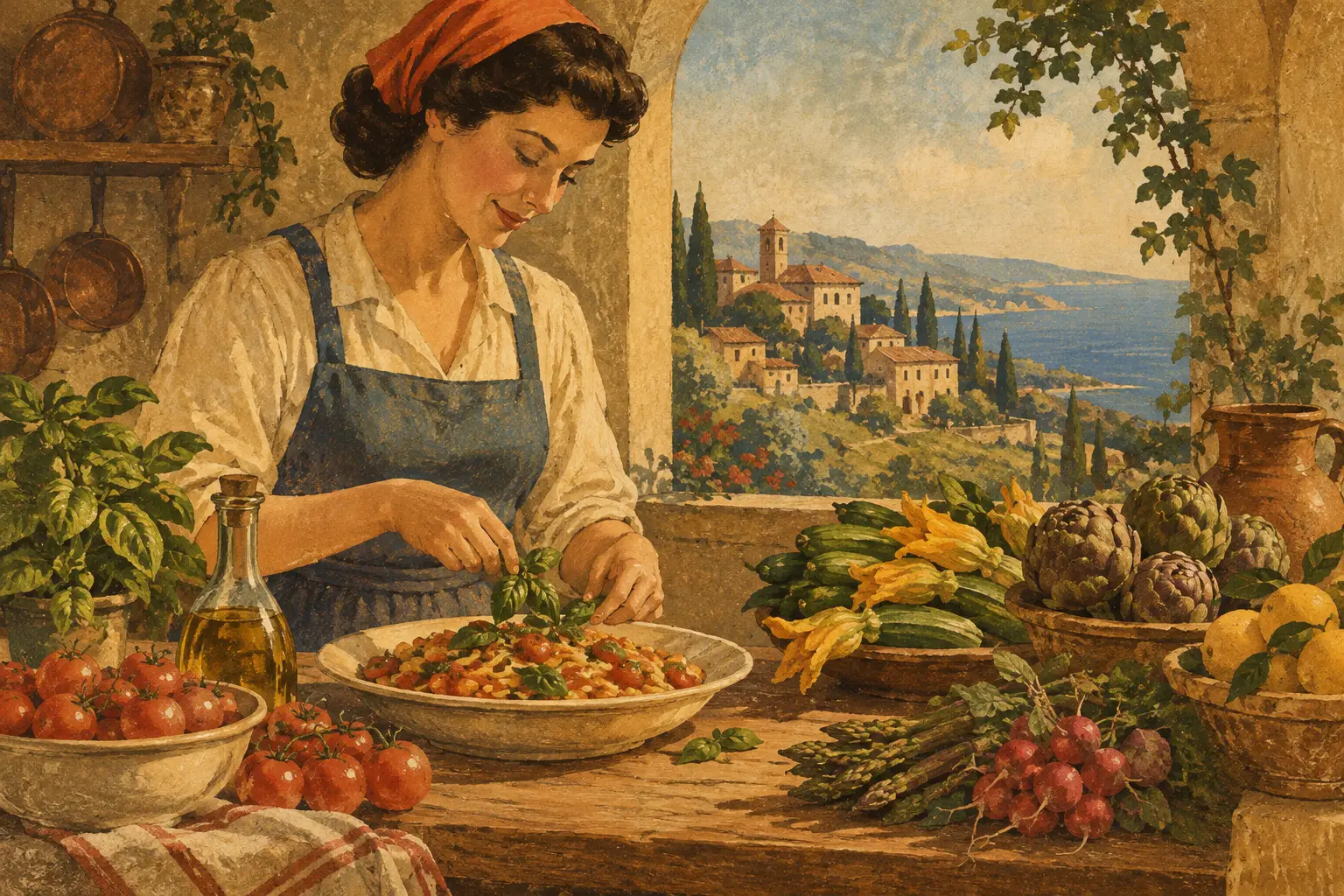
The most memorable event menus are not fixed months in advance and repeated without thought. Seasonal cooking gives a meal a sense of place and time. Spring can bring peas, asparagus and lighter sauces; summer invites tomatoes, courgettes and bright herbs. Autumn suits squash, mushrooms and deeper flavours, while winter is made for slow-cooked sauces and comforting desserts.
Seasonality does not mean making the menu complicated. Quite the opposite. When ingredients are at their best, they need less intervention. A ripe tomato, good olive oil, fresh pasta and careful seasoning can do a great deal.
For a host, the benefit is practical as well as delicious. A seasonal menu feels special without relying on novelty, and it gives the kitchen the freedom to work with ingredients at their peak.
Plan the pace, not only the plates
A successful meal has a rhythm. Allow time for guests to arrive, have a drink and find their place before the first food appears. If there are speeches, agree when they will happen. It is usually kinder to serve a course before a long speech, rather than asking hungry guests to wait with empty glasses.
For a large party, confirm the final numbers early and decide whether guests will pre-order. Pre-ordering can be helpful when time is tight, such as a work lunch or a theatre-bound dinner. For a relaxed family celebration, choosing on the night may be part of the pleasure. It depends on the group and the schedule.
Do not forget the ending. Dessert, coffee and a final glass are often where a good evening turns into a great one. Keep the last course satisfying but not overly elaborate, then leave space for people to linger if the occasion allows.
The details that make guests feel welcome
A private event does not need grand gestures to feel special. Attentive service, a warmly set table, water topped up without asking and food arriving at the right pace all make a difference. So does being greeted by people who know why the group has come together.
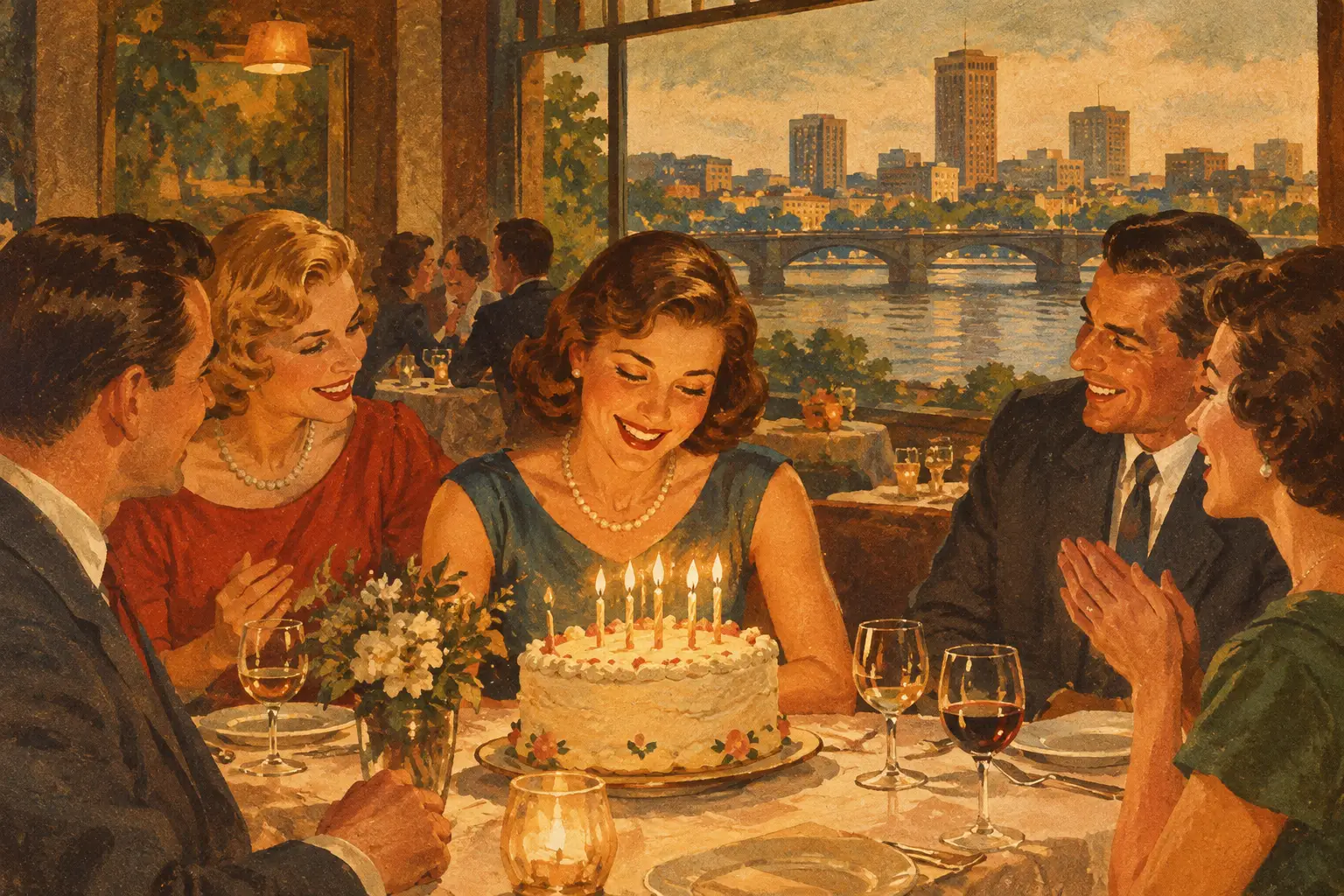
When discussing the booking, share the occasion, the age range of guests, any timing pressures and whether there is a cake, toast or speech planned. These small details help the restaurant shape the evening around you. They are also what turn a group meal into a celebration that feels personal.
The right menu is not the one with the most courses or the longest wine list. It is the one that lets your guests eat well, talk freely and leave with the warm feeling that they were exactly where they needed to be.