The best family suppers are rarely the ones with the most elaborate menu. They are the evenings when nobody is rushing between the kitchen and the table, children feel included, grandparents can hear the conversation, and there is enough good food to encourage a second helping. If you are wondering how to host family suppers that feel generous rather than exhausting, start by making the gathering easier on yourself as well as your guests.
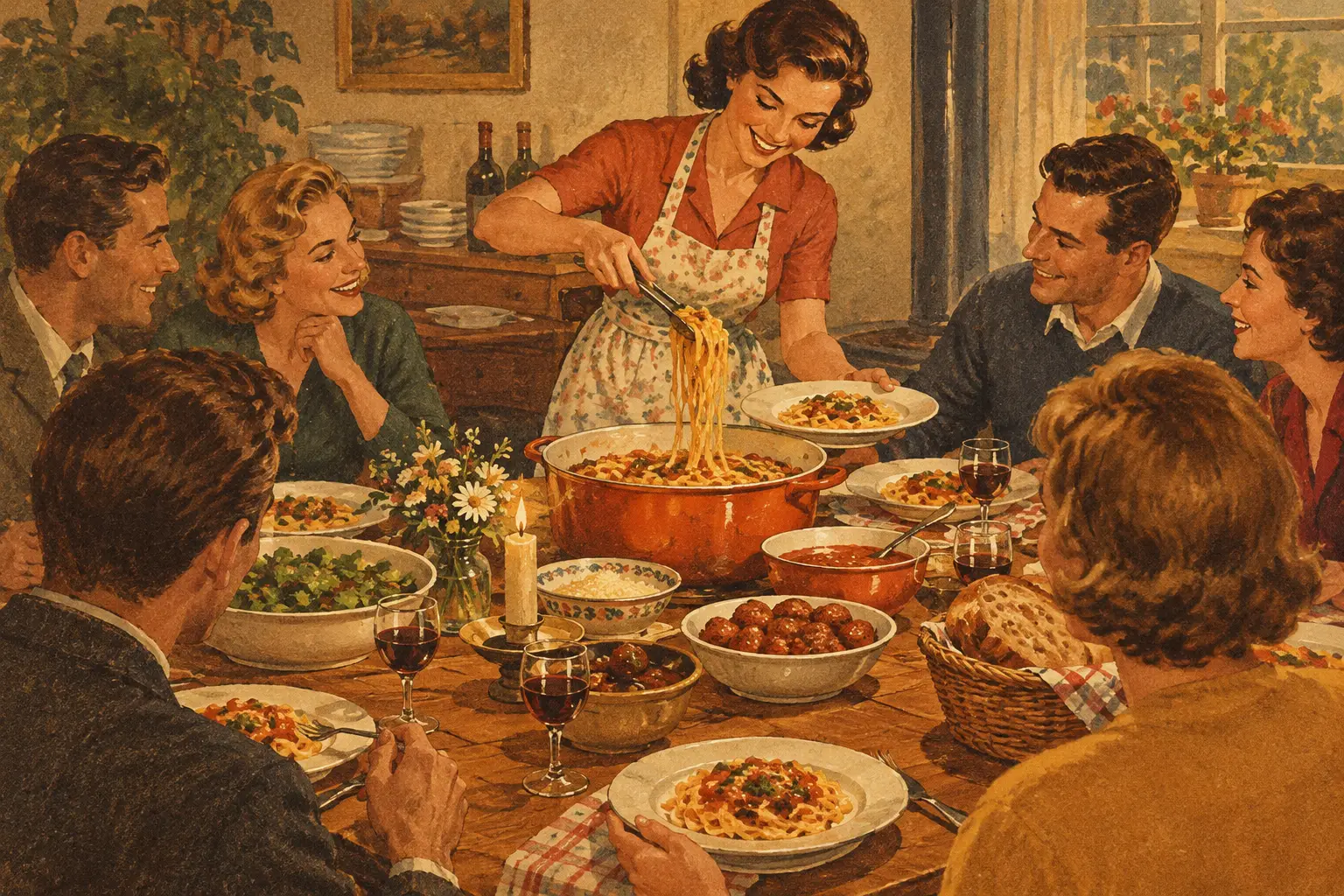
A family meal does not need to be formal to feel special. In fact, a little looseness is often what makes it memorable: a bowl of olives on the table, a bottle opened before everyone arrives, pasta shared while it is hot, and the familiar comfort of people staying longer than planned.
How to host family suppers without the stress
Begin with the reason for getting together. Is it a birthday, a Sunday catch-up, a graduation, or simply the rare occasion when everyone is in the same part of London? The answer will shape the evening. A celebration may call for a longer table and a little ceremony; a midweek supper is often better kept simple, with an early start and a menu that does not demand too many decisions.
The useful rule is to plan for the people, not for an imaginary perfect dinner party. If your family includes young children, choose a time before hunger turns into impatience. If relatives are travelling across town, allow a generous arrival window. If several generations are coming, make sure the seating is comfortable and the room is not so noisy that half the table is left out of the conversation.
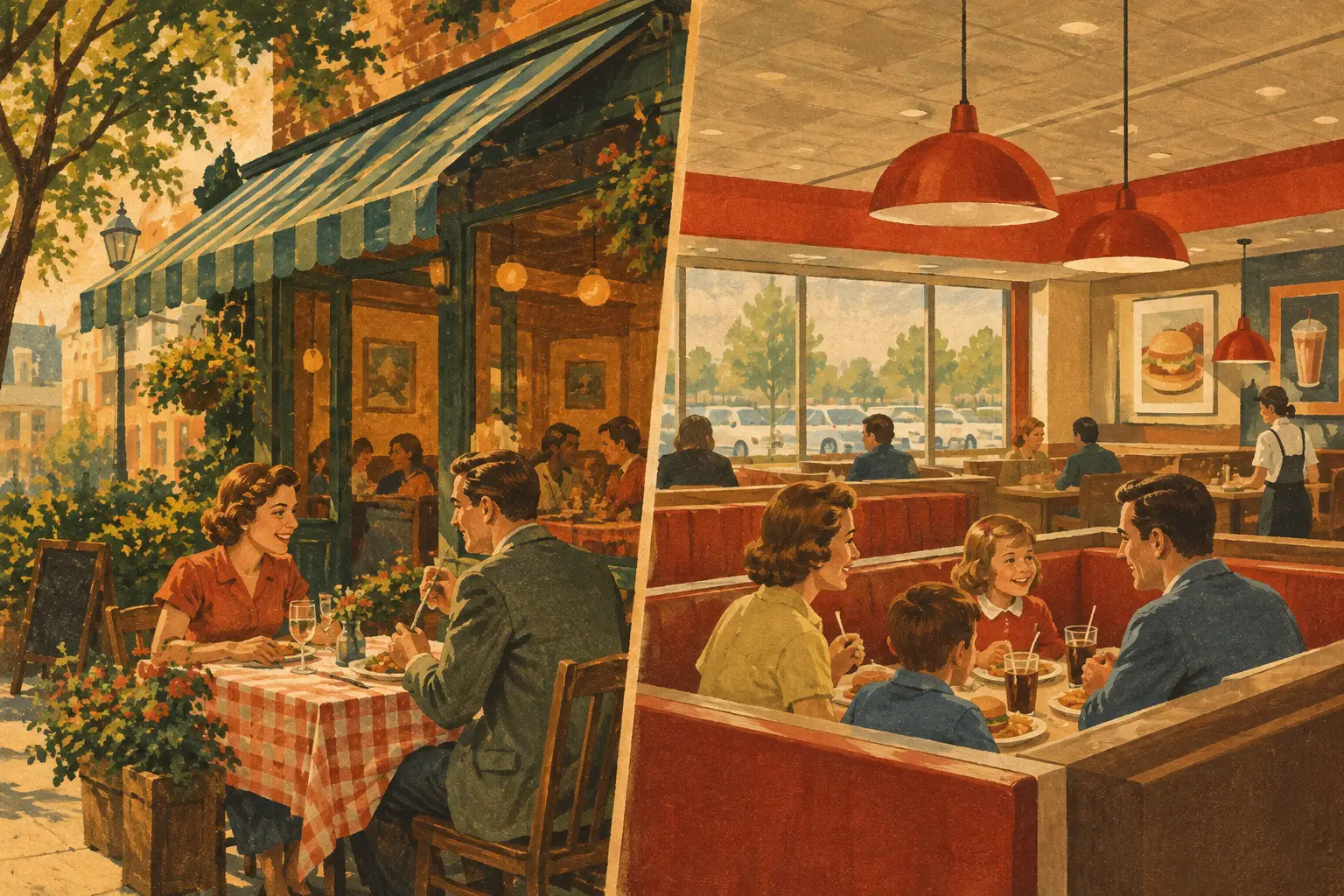
It also helps to decide early whether you want to cook at home or gather at a restaurant. Cooking can be lovely when the group is small and you genuinely enjoy preparing food. But for larger families, the host often misses the very evening they have organised. Booking a welcoming local restaurant means everyone can sit down together from the start, and nobody is washing roasting tins while the last guests are choosing pudding.
Choose food made for sharing
Family suppers work best with food that feels abundant, familiar and properly satisfying. A menu does not need to please every person in exactly the same way, but it should give people a comfortable choice. Think rustic starters for the middle of the table, a range of pasta dishes, a few vegetable-led options and something sweet worth lingering over.
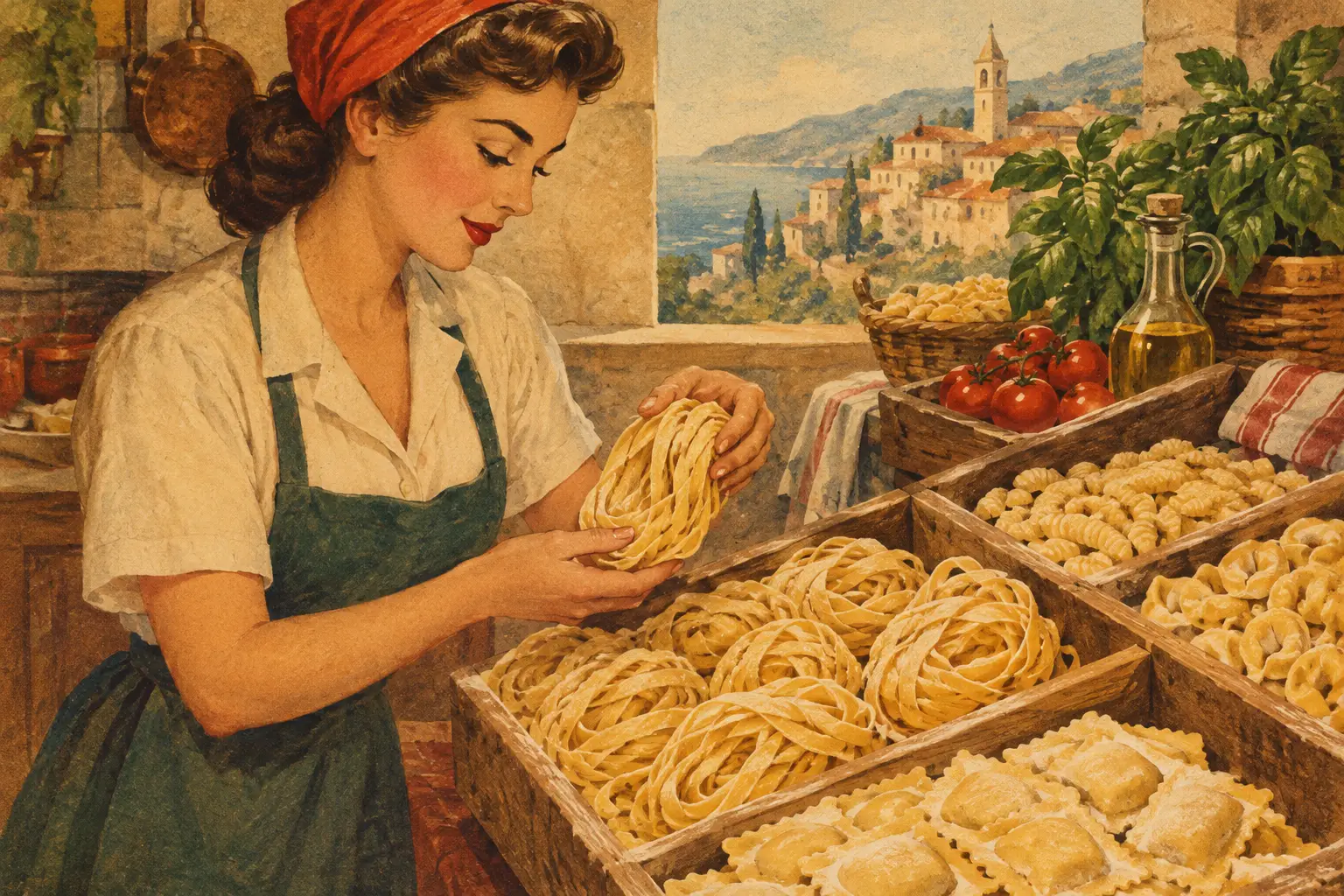
Italian food suits this rhythm particularly well. A plate of cured meats, grilled vegetables or warm bread gives everyone something to pick at while latecomers settle in. Fresh pasta is substantial without being fussy, and it brings a natural sense of occasion to an ordinary weekday. A rich ragù may please those who want comfort, while a lighter seasonal pasta can suit guests looking for something brighter.
Ask about dietary requirements when you invite people, rather than trying to solve them at the table. It is a small courtesy that prevents awkwardness later. Vegetarian, vegan and gluten-free guests should feel expected, not treated as an afterthought. If you are dining out, tell the restaurant in advance, especially for a larger party, so the team can guide you towards dishes that will work well.
There is a trade-off with sharing dishes: they create warmth, but not everyone wants to negotiate every mouthful. The easiest approach is a mixture of both. Share starters and perhaps desserts, then let guests enjoy their own main course. It keeps the meal sociable while allowing everyone a little independence.
Keep the menu calm, not crowded
Hosts sometimes over-order because they are worried that there will not be enough food. Generosity matters, but too many dishes arriving at once can make the table feel hectic. Choose a few things you know the group will enjoy, then leave room for a relaxed pace.
For a restaurant supper, a set menu can be particularly helpful for parties of eight or more. It gives the kitchen a clear plan, makes costs easier to understand and avoids a long round of last-minute ordering. The best group menus still offer choice, especially between meat, fish and vegetarian dishes, while keeping the experience personal.
Create a table where everyone belongs
The atmosphere begins before the first course. A clear invitation helps guests know what to expect: the date, time, location, whether children are coming, and whether it is a full supper or a more casual gathering. If you are arranging a meal at a restaurant, mention any accessibility needs and ask whether there is space for a buggy or high chair.
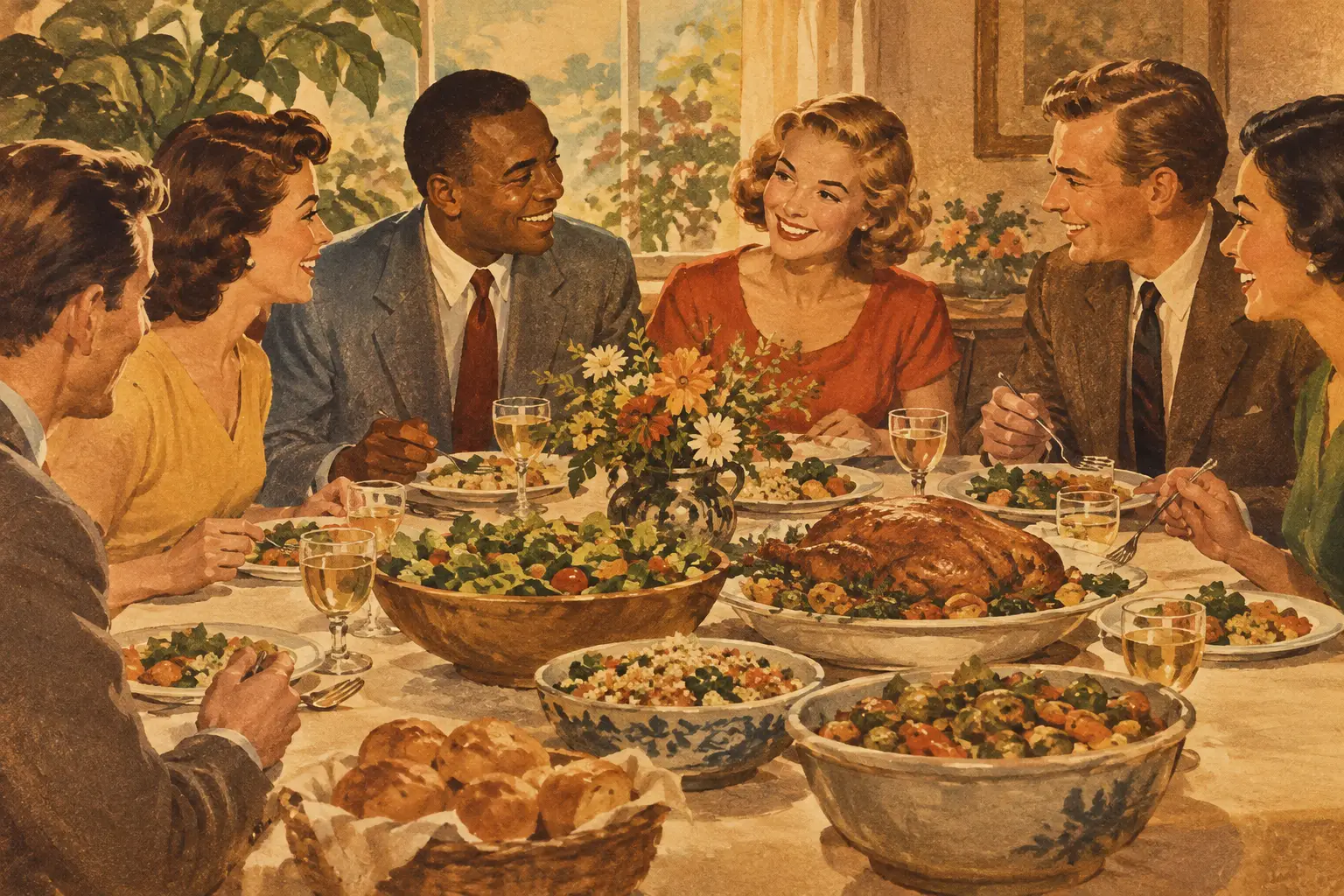
At home, do not underestimate the value of a table that is ready before the doorbell rings. Candles, simple flowers and proper napkins are enough. You do not need matching glassware or a complicated place setting. A bowl of lemons, a few sprigs of rosemary or a jug of seasonal flowers can make the room feel cared for without turning the evening into a production.
Seating deserves a little thought. Put people together who will enjoy speaking to one another, rather than automatically following age or family branches. A quieter relative may appreciate sitting beside someone who will draw them in. If there are children, give them a place in the conversation too. They do not need a separate event happening at the end of the table unless that is what the family genuinely prefers.
When dining out, an intimate room can make a family occasion feel far more relaxed than a large, anonymous venue. At L’assaggino, group meals are looked after with the same warmth as a table for two: seasonal Italian dishes, carefully chosen wine and the kind of attentive service that lets the host put their phone away and enjoy their own supper.
Make drinks part of the welcome
A drink on arrival gives a gathering a gentle beginning. It does not have to mean alcohol. Sparkling water with citrus, a good non-alcoholic aperitif or a simple elderflower cordial can feel just as celebratory. For those who enjoy wine, one crisp white and one easy-going red are often enough for a mixed table.
The key is not to make wine a test of knowledge. Choose bottles that suit the food and the mood, pour modestly, and make sure water is always within reach. A generous host notices what people need without making a fuss about it.
If you are in a restaurant, ask for help matching wine to the dishes you have chosen. A thoughtful recommendation can make a plate of fresh pasta sing, but the most expensive bottle is not automatically the right one. Lively, food-friendly wines are often the best companions for a long family table.
Give the evening room to breathe
The moment people sit down, resist the urge to keep the supper moving. Family meals have their own rhythm. Someone will tell a story they have told before, a child will need a quick walk outside, and a conversation about holidays may turn into a debate about whose lasagne is best. That is not a failure of planning. It is the point.
A few gentle prompts can help if the table goes quiet: ask about a recent trip, a favourite childhood meal, or what everyone has been reading or watching. Avoid treating the evening like an interview, though. The best conversations wander.
Dessert is often where a family supper softens. Sharing tiramisù, panna cotta or a simple scoop of gelato gives the evening a final pause before coats go on. Coffee can extend the occasion for those who want to stay, while others can leave without feeling they have missed the main event.
Know when to let someone else host
There is no prize for doing every part yourself. If you are marking an important birthday, bringing together relatives from different places, or simply want time with your own family, handing the cooking and clearing-up to a good restaurant is a generous decision. You are not making the occasion less personal. You are protecting the part that matters most: being present.
When you book, give the restaurant a clear guest number, flag dietary requirements, and mention whether there is a cake, speech or surprise involved. A little information allows the team to make the evening feel smooth without making it stiff.
The family suppers people remember are not defined by perfect place settings or a photograph-ready menu. They remember being welcomed, fed well and given time together. Set a table, choose food made with care, and leave enough space for the stories that only come out once everyone has settled in.