A table for two after work, a family lunch that runs a little longer than planned, a birthday bottle opened among friends – these are the moments that reveal the real difference between neighbourhood restaurants versus dining chains. Both can feed a hungry room. Yet the feeling of being welcomed, remembered and properly looked after is much harder to standardise.
For Richmond diners, the choice is not simply about Italian food, a familiar menu or the nearest available table. It is about whether supper feels like a transaction or an occasion. A good local restaurant brings together fresh cooking, convivial wine and a room with its own character, then leaves enough space for the people at the table to enjoy one another.
Neighbourhood restaurants versus dining chains: what really changes?
Dining chains have clear strengths. Their menus are recognisable, their prices are often easy to predict, and a large team can make it simple to find a table at short notice. If you are travelling, dining with children who want a known favourite, or arranging a quick meal between plans, that consistency can be genuinely useful.
The trade-off is that consistency asks for a certain amount of uniformity. A dish is designed to work in many sites, for many teams, on many busy services. Menus tend to change carefully and slowly. The room may be pleasant, but it is rarely shaped by the character of one neighbourhood or the personality of the people cooking and serving there.
An independent restaurant can make different choices. It can buy ingredients when they are at their best, let a seasonal dish take the lead, and respond to what local guests enjoy. It can be more individual, occasionally less predictable, and all the better for it. One week there may be a particularly good pasta special; another, a wine that deserves a conversation before it is poured.
That does not mean every independent is automatically better, nor every chain is impersonal. The real question is what matters for the meal you are planning. When food, atmosphere and attentive service are part of the reason for going out, the local option often offers more to remember.
Food with a sense of place
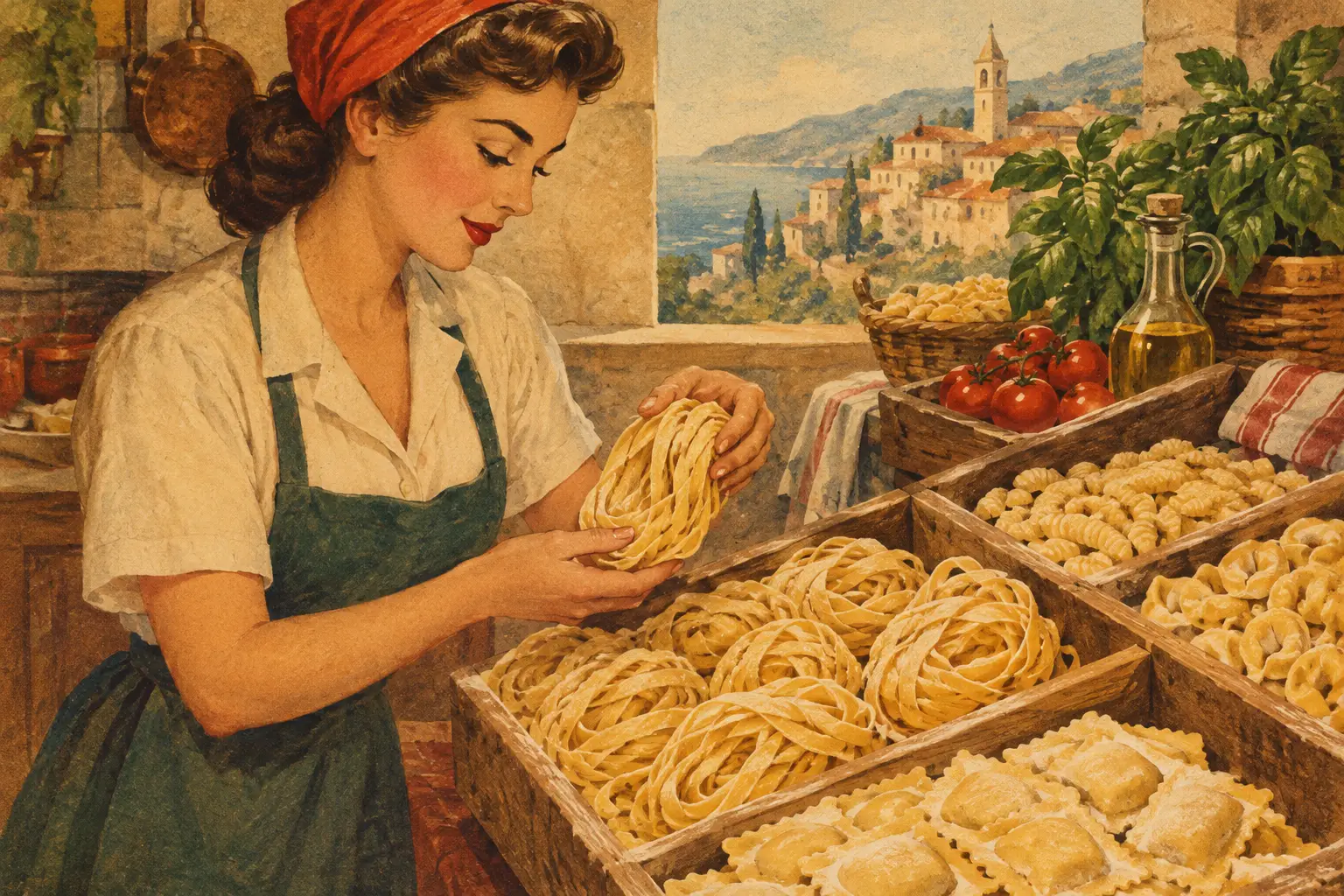
Fresh pasta is a good example of why small restaurants can feel so distinctive. It is not merely a menu category. Its texture, the way it holds a sauce, and the balance of the finished dish depend on care in the kitchen. A restaurant focused on pasta can give that detail the attention it deserves, without making the experience overly formal.
Neighbourhood kitchens are also free to cook with the season rather than relying only on a fixed national selection. That may mean ripe tomatoes and basil when summer arrives, slow-cooked ragù when the evenings turn cool, or a rustic starter built around ingredients that need very little interference. Simple Italian food asks for good produce and sound judgement. There is nowhere to hide when the dish contains only a few ingredients.
This is where provenance becomes something you can taste rather than a line on a menu. Well-made food does not need to be fussy. A bowl of pasta, a plate to share and a glass of wine can be generous, comforting and quietly memorable when each part has been chosen with care.
The pleasure of a menu that can move
A changing menu can feel unfamiliar to diners who prefer to order the same dish every time. But it is often a sign that a restaurant is cooking rather than simply assembling. The best independents keep beloved favourites while allowing room for a seasonal idea, a regional recipe or a particularly beautiful ingredient.
That flexibility is especially welcome in Italian cooking, where regional traditions are wonderfully varied. Sardinian influences, for example, bring their own ingredients and flavours to the table, giving diners something more personal than a broad idea of Italian food. It is a chance to eat with curiosity while still feeling entirely at ease.
Service is not a script
The most lasting difference may be felt before the first plate arrives. At a chain, good service is often built around systems: greeting, seating, ordering and turning tables efficiently. There is nothing wrong with efficiency, especially on a busy evening. But it can leave little room for the small acts of hospitality that make guests feel known.
At a neighbourhood restaurant, the people on the floor are more likely to notice when regulars return, remember a preferred wine, or suggest a dish that suits the table rather than simply pointing to the most popular option. The owner may be nearby. The chef may be visible. A question about an ingredient can lead to a real answer, not a rehearsed one.
This personal attention matters for celebrations and group meals. Hosts have enough to think about without worrying whether everyone will be comfortable, whether dietary requirements have been understood, or whether the timing will work. A smaller, hospitality-led restaurant can help shape the occasion around the group, from a relaxed weekday gathering to a wedding meal or Christmas party.
There is also a quieter benefit: local teams have a reason to care about the next visit. Their guests live nearby, work nearby and recommend places to friends. Repeat custom is earned through warmth as much as through the bill.
Value is more than the lowest price
Comparing value only by the headline cost can miss the point. A chain may offer familiar deals and fixed-price promotions, which can be the right choice when the priority is a quick, low-cost meal. Independent restaurants have tighter margins, and fresh preparation takes time. Their value lies elsewhere: in the quality on the plate, the care in the room and the sense that the evening has been treated as worth your time.
Fair pricing does not need to mean an expensive night out. It can mean a satisfying bowl of properly made pasta, a thoughtful wine list with options for different budgets, and midweek offers that make a spontaneous supper more inviting. A good restaurant should make guests feel pleased they came, not uncertain about what the experience will cost.
For groups, value also means flexibility. A set menu may suit one gathering, while another calls for sharing starters, bottles chosen together and a little more time at the table. The ability to have that conversation is valuable in itself.
When a dining chain may be the right choice
There are evenings when convenience wins, and it should. You may need a late table for a large, mixed-age party, be meeting halfway between several places, or simply want something familiar before a film. Chains are designed to answer those needs, and their reliability has a place.
Choose an independent when you want the restaurant to be part of the plan rather than a pause between plans. It is the better fit for a date that deserves warmth, a catch-up with old friends, visiting family, or a meal where good wine and freshly cooked food matter as much as getting seated quickly.
In Richmond, that choice can also support the neighbourhood you enjoy. Independent restaurants contribute to the life of the high street, employ local teams and give an area its texture. They create the places people mention when friends ask where to go, rather than simply where there happens to be space.
A more personal way to eat out
The appeal of a local Italian restaurant is not that it promises perfection every time or tries to impress with ceremony. It is that it offers a real welcome alongside beautiful, rustic dishes full of flavour. At L’assaggino, that means seasonal cooking, freshly made pasta and a lively room where a glass of wine is encouraged to become a conversation.
The next time you are choosing where to eat, think beyond the menu photograph or the quickest booking slot. Consider the people you are meeting, the mood you want to create and whether a little more character would make the evening better. A neighbourhood table, good pasta and time to enjoy both can be a very fine plan.