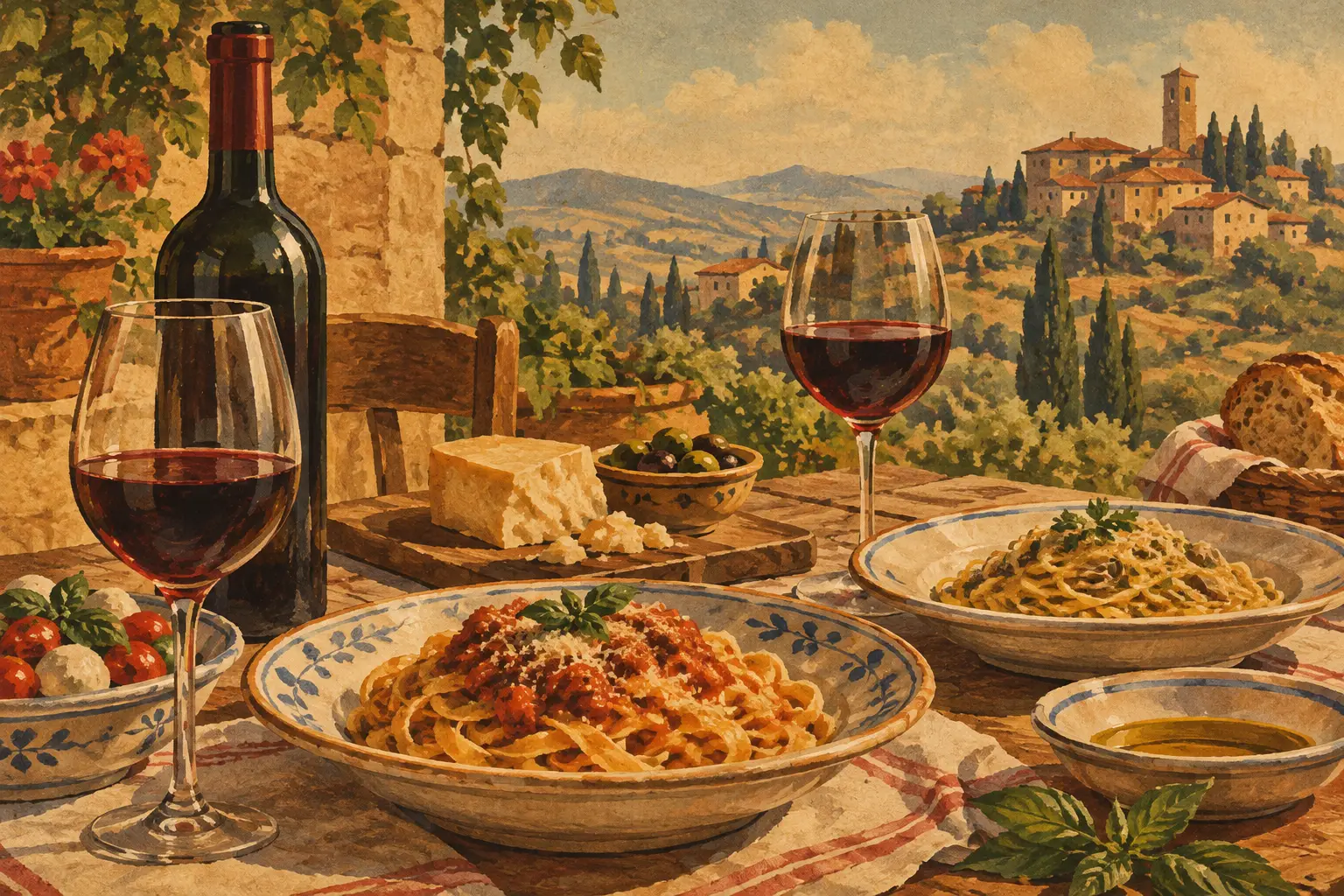
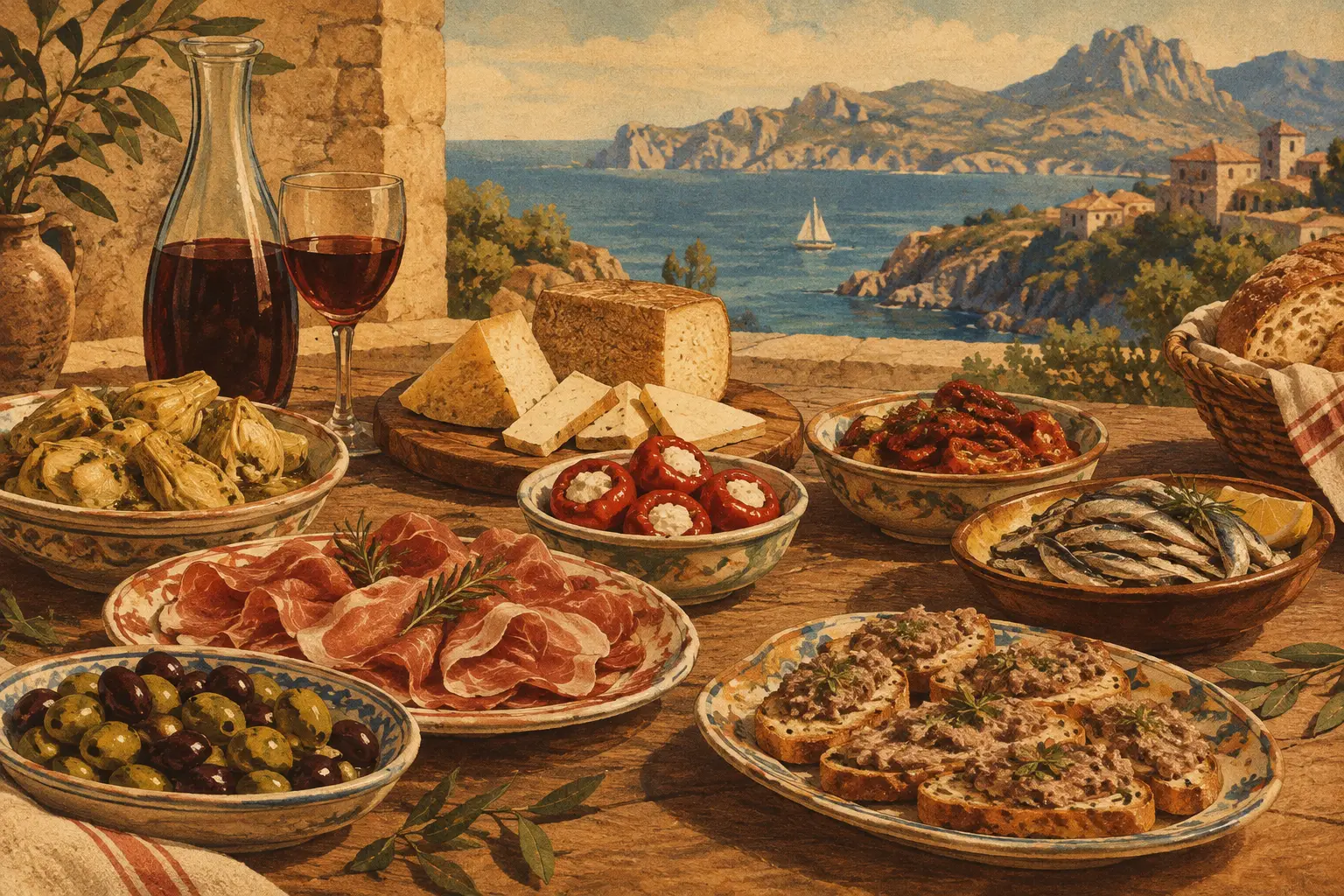
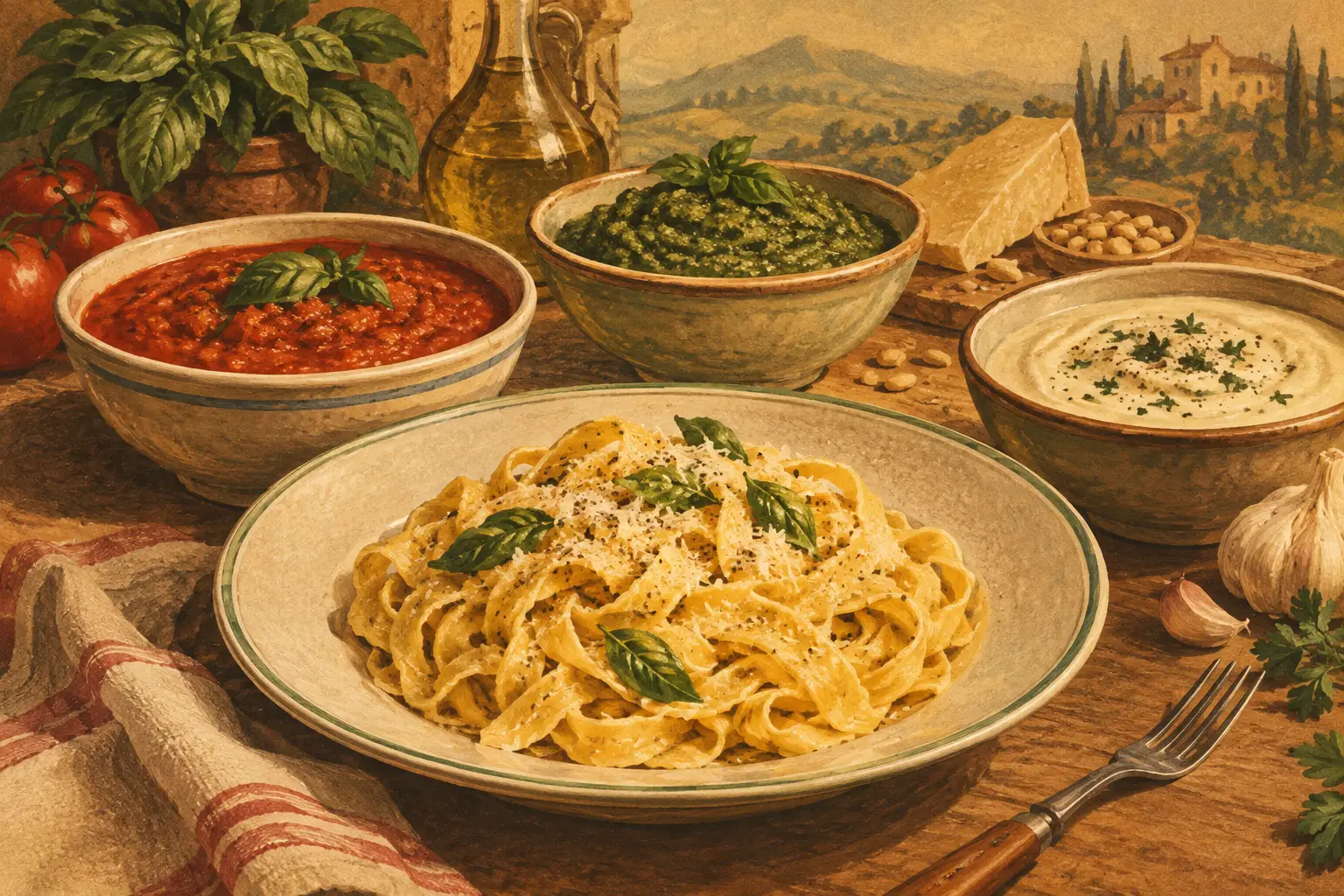
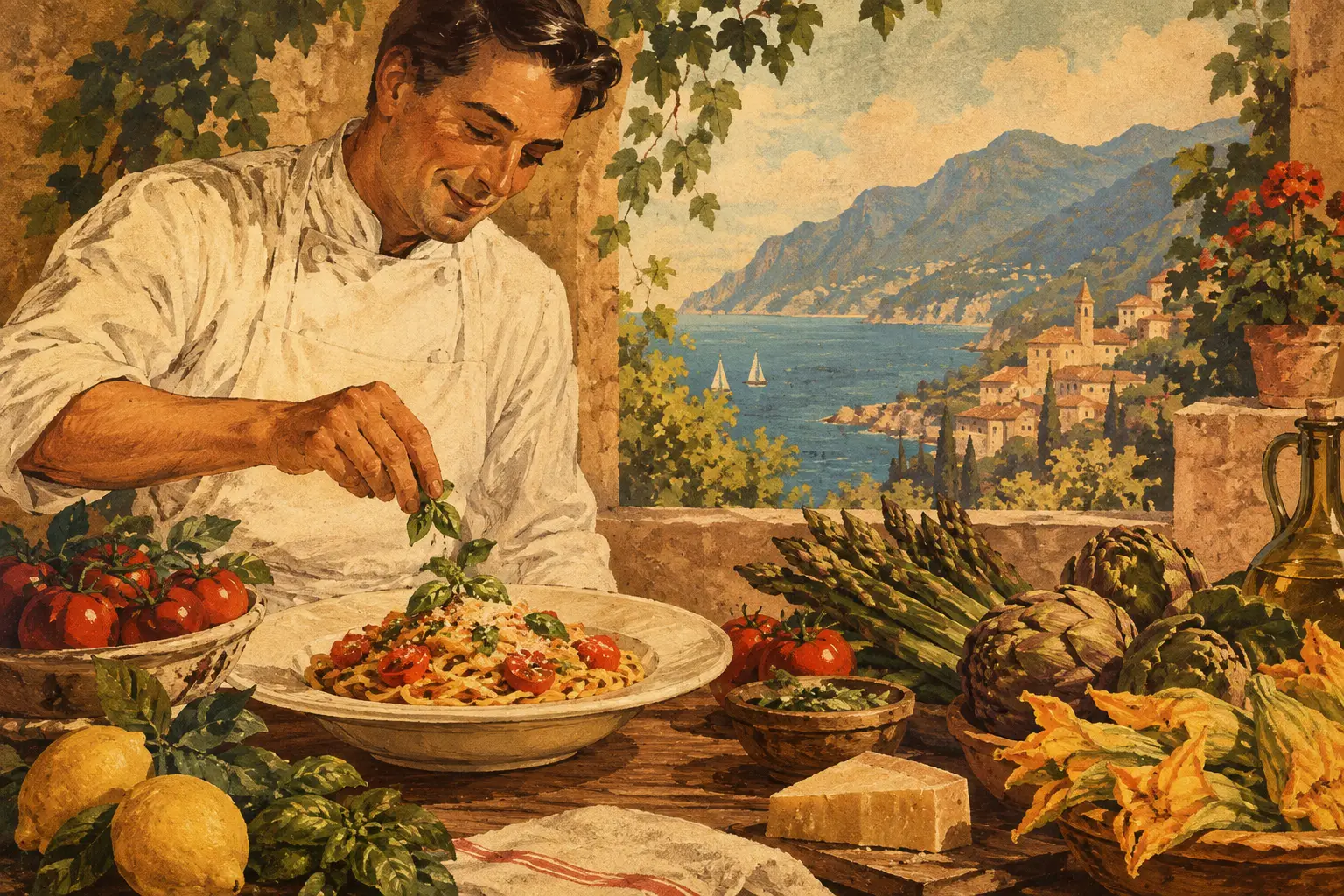
A table of friends should not become a complicated negotiation over the menu. The best restaurant dietary options let everyone settle in, choose something appealing and get on with the good part: sharing a bottle, passing plates around and enjoying a proper meal together.
For diners with allergies, intolerances or particular preferences, eating out can require a little planning. That need not mean settling for a plain side dish or feeling like an awkward addition to the booking. In a thoughtful independent restaurant, a dietary request is simply part of looking after the table well.
What good restaurant dietary options really mean
There is a difference between offering one token alternative and giving guests a genuinely enjoyable choice. A good menu begins with food that has character in its own right: seasonal vegetables, pulses, fish, meat, herbs, olive oil and sauces made with care. From there, the kitchen can explain what is already suitable and, where practical, guide guests towards dishes that can be adjusted without losing their point.
Italian food is particularly generous in this respect, though it is not automatically simple for every diet. A rustic vegetable starter might suit a vegetarian guest beautifully, while a pasta sauce can contain butter, cheese, stock or wine that matters to someone else. Fresh pasta is a joy, but it commonly contains egg and gluten. Clear answers are far more useful than broad assurances.
The aim is not to make every dish everything to everyone. It is to make the choices honest, delicious and easy to understand. A guest avoiding dairy deserves more than a bowl of leaves; a guest who eats meat should still be able to choose freely; and someone with a serious allergy needs staff who understand the difference between a preference and a safety-critical request.
Allergies, intolerances and preferences need different care
These terms are often used together, but they call for different conversations. An allergy can cause a serious reaction and requires careful handling of ingredients, preparation and possible cross-contact. An intolerance may also require strict avoidance, although the risk and guidance can differ. A dietary preference, such as choosing plant-based food or avoiding certain ingredients, is usually about how a guest wishes to eat rather than an immediate medical danger.
That distinction is useful for both guest and restaurant. Saying, for example, “I have a coeliac allergy and cannot have gluten or cross-contact” gives the team the information they need to check properly. Saying “I am vegetarian, but I eat cheese” helps avoid unnecessary confusion. There is no need to apologise for being clear. Good hospitality starts with listening.
A responsible restaurant should never guess. If a member of staff does not know whether a dressing contains mustard, whether a stock is suitable for a vegetarian, or whether a dish can be prepared apart from an allergen, they should check with the kitchen. Sometimes the honest answer will be that a dish cannot safely be adapted. That is not disappointing service when it is explained clearly – it is care.
Why cross-contact matters
Removing an ingredient from the finished plate does not necessarily make a meal safe. Flour can be present in a pasta-making area; a shared fryer may be unsuitable for someone avoiding gluten; nuts, sesame or dairy can travel through utensils and surfaces. The level of risk depends on the individual and the allergen, which is why a conversation before ordering is essential.
For guests with severe allergies, booking ahead is often the kindest approach to everyone involved. It gives the restaurant time to review the menu, check suppliers where needed and be upfront about what the kitchen can realistically provide. A busy Saturday evening is not the right moment for either side to rely on assumptions.
How to choose well when dining out
A little advance thought makes a relaxed meal much more likely. Look at the current menu before reserving, but remember that seasonal restaurants may change dishes according to what is best that week. A dish that worked brilliantly last month may have a different garnish, sauce or supplier today.
When making the booking, mention any medically necessary requirements and the number of guests affected. On arrival, repeat the request to the person looking after your table. This may seem repetitive, but it allows the front-of-house team and kitchen to work from the same information. Ask specific questions rather than relying on labels alone: Does the pasta contain egg? Is there dairy in the sauce? Can this dish be made without breadcrumbs? Is the fryer shared?
There are also sensible trade-offs. A small independent kitchen may be able to make a simple seasonal dish especially well, yet have limited space to guarantee an entirely allergen-free environment. A menu with fewer choices can still be more reassuring than a very long one if the team knows every ingredient and can speak confidently about how it is prepared.
Italian food with room for every guest
The pleasure of an Italian meal is often in its simplicity. A plate of grilled vegetables with good olive oil, a bright tomato sauce, a salad dressed just before serving, or fish cooked with lemon and herbs can be full of flavour without needing a long list of components. Seasonal cooking also gives the kitchen a natural reason to keep creating rather than treating dietary needs as an afterthought.
Vegetarian diners will often find plenty to enjoy in Italian cooking, from vegetable antipasti to pasta built around tomatoes, greens, mushrooms or squash. Vegan guests may need to check for cheese, butter, egg pasta and stock, but there can still be satisfying choices when the menu has been considered with fresh produce at its centre. Gluten-free diners should ask directly about pasta, flour in sauces, frying and preparation areas rather than assuming that rice, potatoes or polenta are automatically safe.
For those avoiding alcohol, it is worth asking about reductions, marinades and sauces as wine may be used in cooking even when it is not obvious from the dish description. Equally, anyone following a lower-salt or lower-spice diet may find that a kitchen can guide them to naturally suitable dishes more effectively than it can alter a carefully balanced sauce at the last minute.
At L’assaggino, the spirit is straightforward: beautiful, rustic Italian food should bring people together. Seasonal ingredients and freshly made pasta are central to the table, and the most helpful approach is always to share dietary requirements when booking and speak to the team before ordering. They can talk through the dishes being served that day and advise with care.
For hosts, the booking matters as much as the menu
Organising a birthday supper, work dinner or family gathering brings its own challenge: people are often reluctant to make a fuss about what they can or cannot eat. Ask the group quietly when you send the invitation, then pass the information on early. It is far easier to plan one vegetarian guest, one nut allergy and one gluten-free requirement in advance than to discover them when everyone has sat down.
For larger parties, a set menu can make the evening feel relaxed, but it should leave room for individual needs. Hosts should ask whether alternatives are available, whether guests will order separately, and whether the restaurant needs final dietary details by a particular date. The best outcome is one where nobody is singled out and nobody spends the evening worrying about their plate.
Wine is worth considering, too. A thoughtful restaurant can suggest bottles that work across a varied meal, while non-drinkers should have something chosen with equal care. Sparkling water, a proper soft drink or a non-alcoholic aperitif can make a guest feel included before the first course arrives.
A better question to ask
Rather than asking, “Can you cater for dietary requirements?”, try asking, “What can you recommend for this guest, and what should they avoid?” It invites a useful, specific conversation. It also leaves room for the chef to suggest the dishes that will taste best, rather than forcing an unsuitable adaptation.
A good meal is not defined by how many boxes a menu ticks. It is the feeling that everyone at the table has been considered, the food has been prepared with honesty, and there is still time to linger over the last glass and a little conversation.