A bowl of pasta rarely needs a grand wine ritual. It needs a bottle that suits the sauce, the company and the pace of the table. The best wines with pasta are not always the most expensive or the most famous. They are the wines that make the tomatoes brighter, the pecorino more savoury and the final piece of bread worth reaching for.
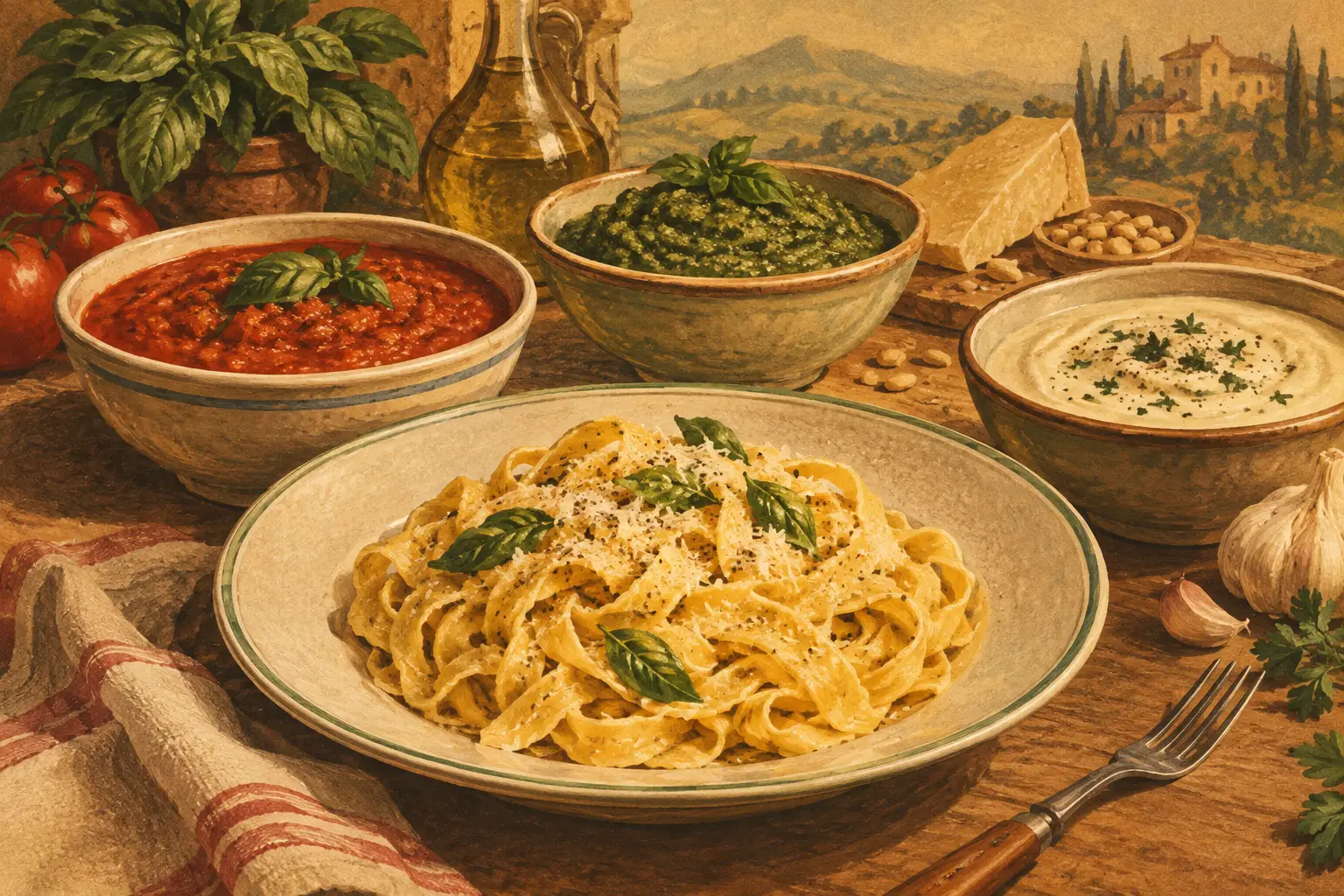
Italian cooking gives us a useful rule: match the wine to the sauce, not simply to the pasta shape. Tagliatelle, spaghetti and rigatoni can all carry very different flavours. A delicate lemony sauce asks for something entirely different from a slow-cooked beef ragù. Start with the ingredients in the pan, then choose a wine with enough freshness, weight and character to sit happily beside them.
Best wines with pasta: begin with the sauce
Acidity is the quiet hero of many pasta pairings. Tomato, lemon, white wine, capers and fresh herbs all bring brightness to a dish, and a wine with good acidity keeps the meal lively rather than heavy. This is why Italian whites and lighter reds so often feel at home on a pasta table.
Weight matters too. A light sauce can be lost beside an oaky, full-bodied red, while a rich ragù can make a delicate white taste thin. There is no need to chase rules for their own sake, but a little balance goes a long way. If the dish is creamy, savoury and rich, choose a wine with enough body or freshness to cut through it. If it is simple and herb-led, keep the wine clean and bright.
Tomato pasta and bright Italian reds
For spaghetti with a lively tomato and basil sauce, penne all’arrabbiata or a rustic aubergine pasta, reach for a red with refreshing acidity and modest tannins. Chianti is a natural choice. Its sour cherry fruit, dried herbs and brisk finish meet tomato sauce with ease, while its savoury edge works beautifully with garlic, olive oil and parmesan.
Barbera is another generous option, especially when the sauce is richer or includes sausage, meatballs or roasted vegetables. It tends to offer juicy dark fruit and plenty of freshness without the firm grip of a more tannic red. That makes it a very agreeable bottle for a relaxed dinner with several plates on the table.
If chilli is central to the dish, avoid reds that are too high in alcohol or heavy in oak. They can make the heat feel fiercer. A lightly chilled, fruit-forward red can be more forgiving, or choose a crisp rosé if that is what the evening calls for.
Ragù, lasagne and fuller reds
Slow-cooked ragù asks for a wine with a little more depth. Sangiovese-based wines remain excellent here, particularly when the sauce has beef, pork, mushrooms or a long simmer of soffritto and tomato. Their acidity lifts the richness, while their earthy notes echo the savoury character of the dish.
For lasagne, baked pasta or pappardelle with a substantial meat sauce, a fuller red such as Montepulciano d’Abruzzo can be a welcoming choice. It has generous fruit and enough structure for melted cheese and slow-cooked meat, without demanding the ceremony of a special-occasion bottle.
A word of caution: very powerful, heavily oaked reds can overwhelm pasta, particularly when the sauce is not intensely reduced. Save those bottles for a steak or a long winter supper where the food can meet their weight. With pasta, generosity is lovely; heaviness is not always necessary.
White wine with seafood pasta
Seafood pasta often looks simple on the plate, but its flavours are precise. Prawns, clams, mussels, squid and white fish all benefit from a white wine that is dry, fresh and not overly aromatic. Vermentino is a wonderful place to start. It often brings citrus, herbs and a subtle saline note that feels made for shellfish, olive oil and parsley.
A crisp Pinot Grigio can work well with a light spaghetti alle vongole, especially when the dish is built around garlic, chilli and a splash of white wine. Choose one with real freshness rather than a soft, neutral style. The wine should sharpen the sea flavours, not disappear beside them.
For richer seafood sauces, perhaps with crab, saffron or a little cream, look for more texture. A good Gavi or a carefully made southern Italian white can have enough body while keeping a clean finish. The aim is to complement the sweetness of the shellfish without turning the meal cloying.
Lemon, herbs and vegetable pasta
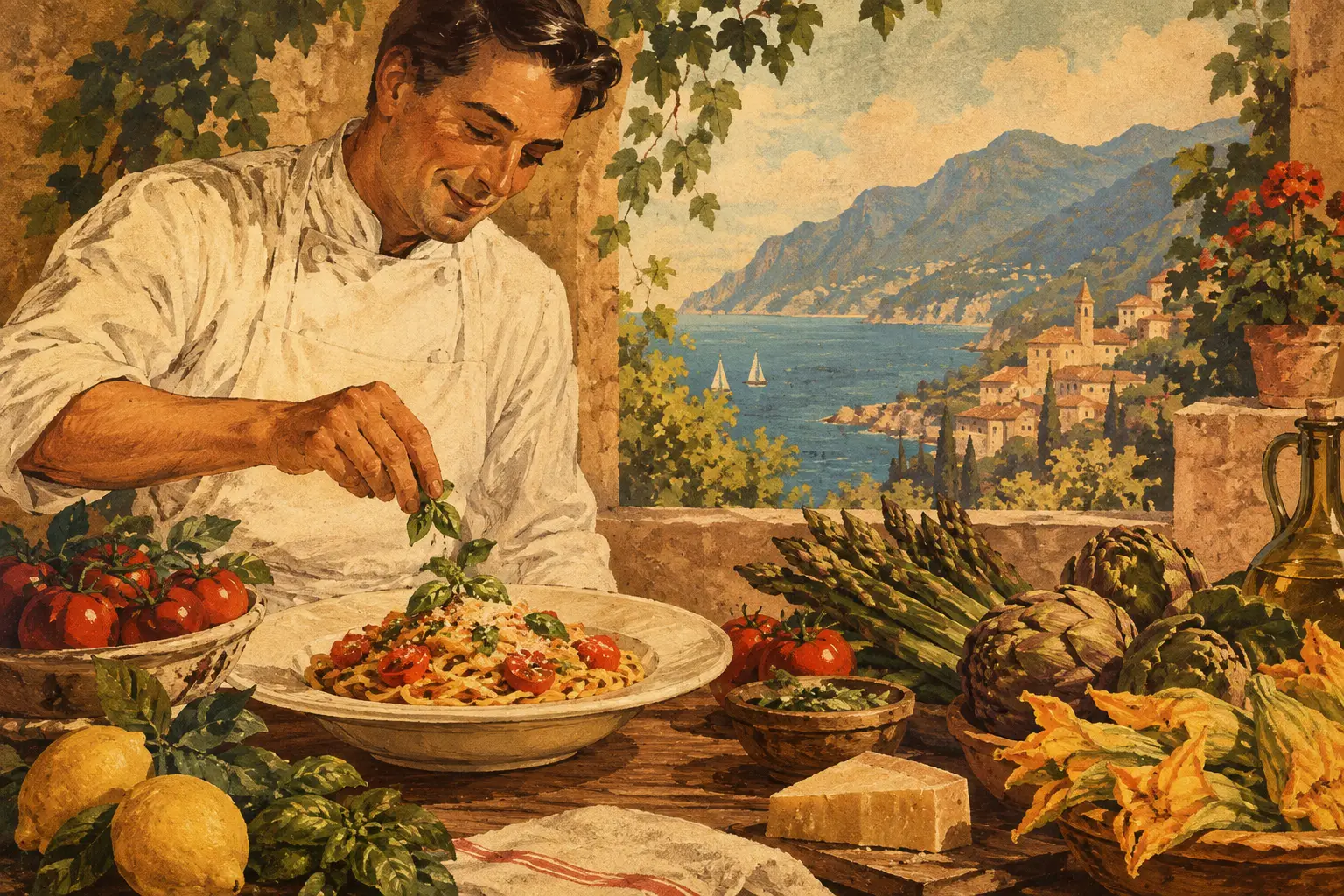
Pasta with courgettes, peas, asparagus, basil, mint or lemon deserves a wine with lift. Sauvignon Blanc can be lovely with green vegetables and herbs, particularly when the dish has goat’s cheese or fresh ricotta. For a softer, more Italian expression, try a dry Falanghina or Verdicchio. Both can offer orchard fruit, citrus and a lightly savoury finish that suits seasonal cooking.
Lemon pasta needs care. The sharpness of the sauce can make an overly dry or low-acid wine seem flat. Choose a white with enough brightness to keep pace, such as Vermentino, Verdicchio or a dry Italian sparkling wine. A glass of prosecco is not only for an aperitivo. With a buttery lemon sauce, its bubbles can refresh the palate between each forkful.
Creamy pasta needs freshness, not sweetness
Carbonara, cacio e pepe and pasta with mushroom cream sauces can feel rich before the wine even arrives. The instinct may be to pour a big red, but that is not always the kindest pairing. Cream, egg yolk, cheese and butter are often better with a white that has freshness and texture.
A dry Frascati, Gavi or Verdicchio can cut through a creamy sauce without fighting its delicate flavours. With cacio e pepe, where pecorino and black pepper do most of the talking, a bright white or elegant, light red works especially well. The pepper may make tannins feel more pronounced, so avoid a young, grippy red unless the dish also has meat or a deeply savoury element.
Mushrooms offer more flexibility. Their earthy flavour can welcome a lighter Pinot Noir, particularly if the sauce includes truffle, chestnuts or wild mushrooms. It can also be delicious with a textured white. This is one of those dishes where the season and the mood matter as much as the recipe.
Rosé and sparkling wine deserve a seat at the table
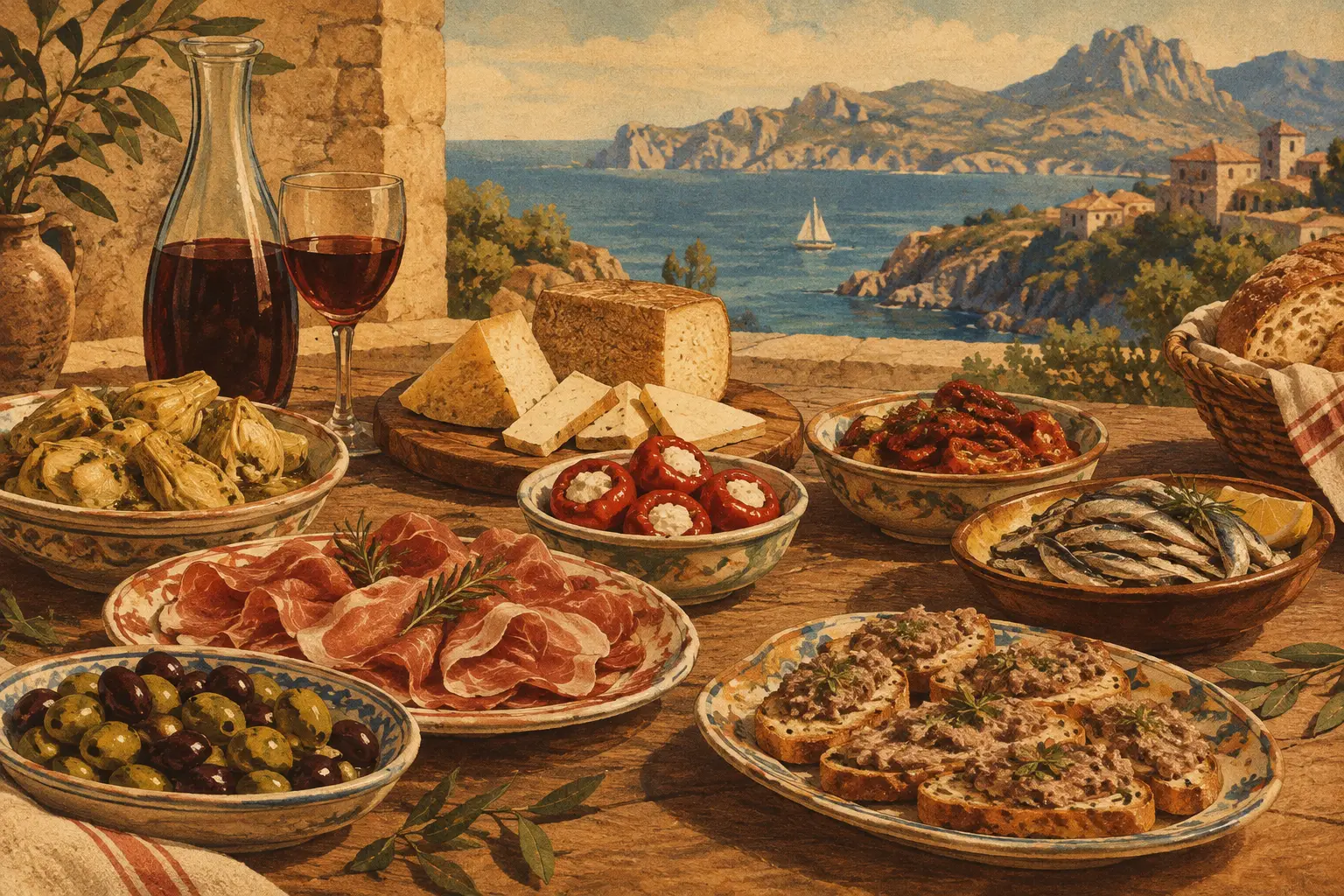
Rosé is often overlooked when people think about pasta wine, yet it can be one of the most useful bottles to open. A dry rosé is excellent with tomato-based seafood pasta, grilled vegetables, spicy nduja or a mixed antipasti table before the main course arrives. It offers fruit, freshness and enough versatility for diners ordering different dishes.
Sparkling wine has a similar talent. Its acidity and bubbles make it a happy partner for fried starters, salty cheeses and pasta with rich sauces. A dry prosecco is easy-going and celebratory, while a more structured Italian sparkling wine can carry a fuller meal. Serve it well chilled, but not ice-cold, so its flavour has room to show.
A few easy pairing decisions at the table
When several people are sharing, choose the wine that will be most flexible rather than trying to find a perfect match for every plate. A fresh Italian white works across seafood, vegetable dishes and lighter pasta. A medium-bodied Sangiovese-based red is often the safest choice for tomato sauces, ragù and grilled meats.
Do not be afraid to order by the glass when the table is varied. One person may want a crisp white with linguine and clams, while another is settling into rigatoni with sausage ragù. That is not a clash of tastes. It is simply the pleasure of eating well together.
Serving temperature helps more than many people realise. Whites should be cool but not numbing, while lighter reds benefit from being slightly cooler than a warm room. A red served too warm can feel alcoholic and tiring beside pasta; a gentle chill makes its fruit and acidity far more inviting.
At L’assaggino, the most satisfying pairing is usually the one shared over freshly made pasta, a good bottle and an unhurried conversation. Trust the sauce, trust your own taste, and leave room for a second glass if the evening is going well.