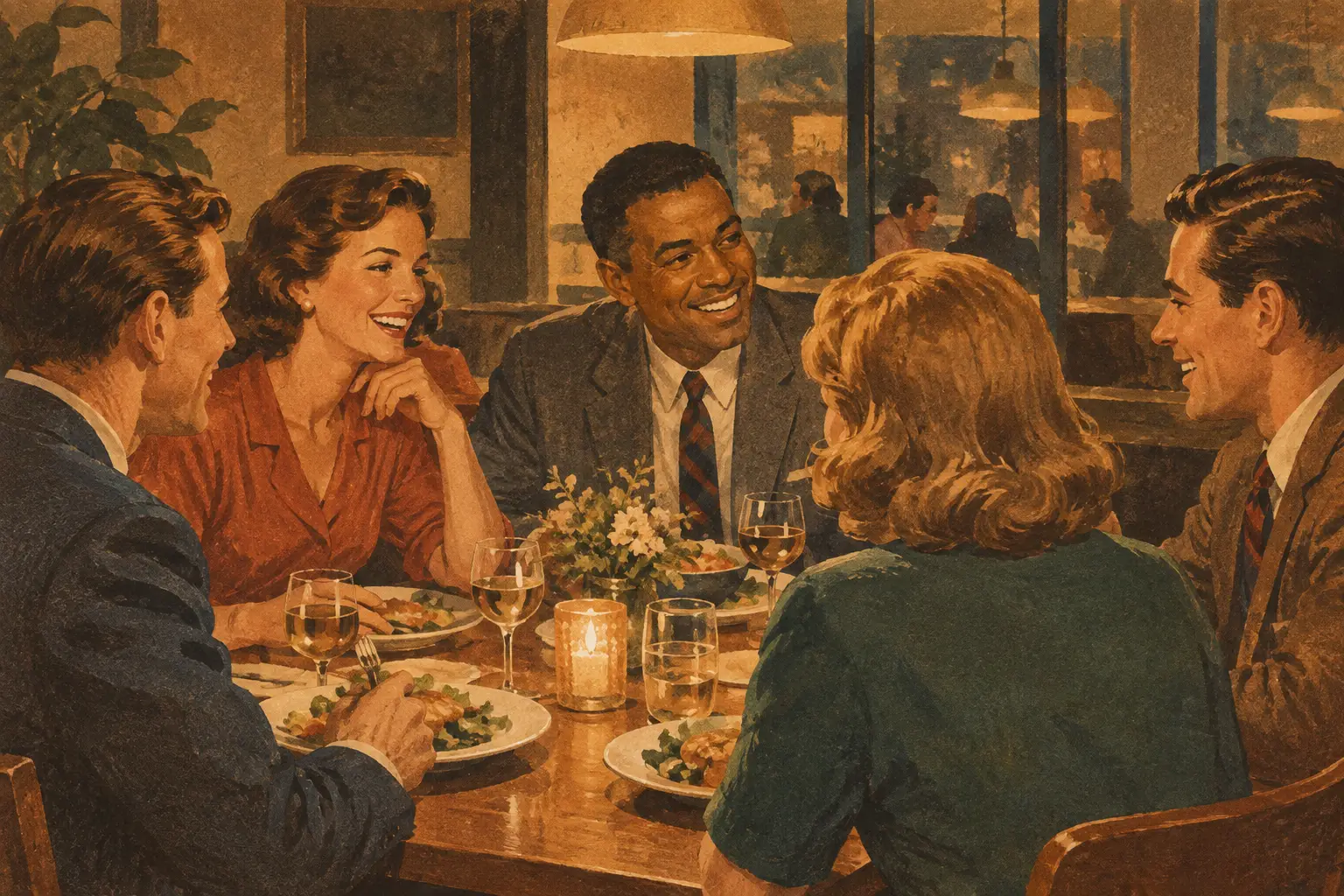
The best restaurant weddings do not feel like a function squeezed between lunch and dinner. They feel like your favourite long Italian meal: glasses poured, plates passed around, familiar faces settling into one warm room and no one looking at their watch. Knowing how to plan a restaurant wedding begins with choosing that feeling, then making the practical decisions that protect it.
For couples who would rather gather their people around fresh pasta and good wine than spend months building a venue from scratch, a neighbourhood restaurant can be a wonderfully personal choice. It also asks for clear conversations early on. The room, menu, timings and guest list all need to work together.
Begin with the kind of celebration you want
Before asking about dates or menus, decide what you want the day to feel like. A restaurant wedding suits couples who value food, atmosphere and easy conversation. It can be an intimate lunch after a registry ceremony, a candlelit dinner for 30, or a relaxed evening reception where guests linger over dessert and a final bottle.
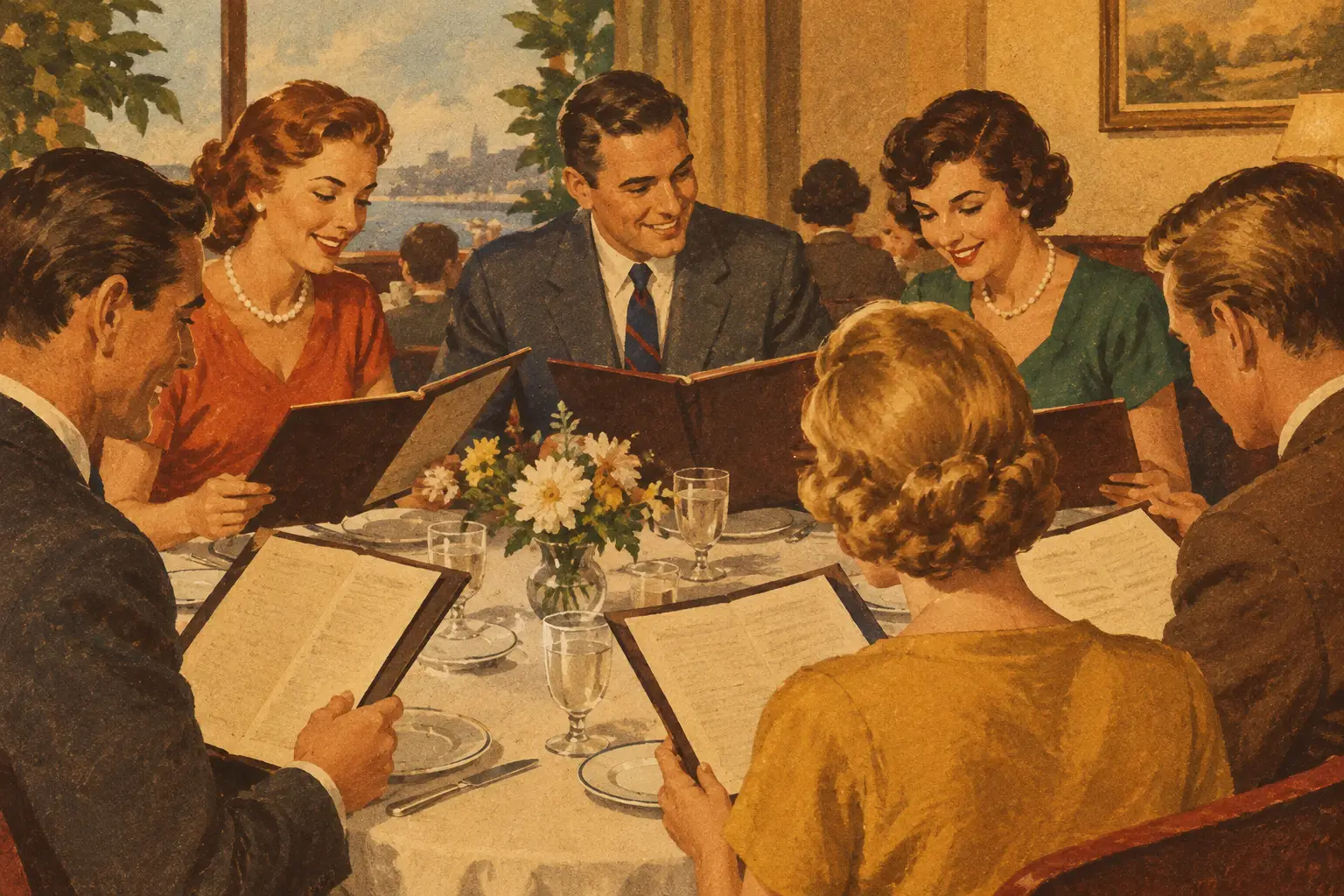
Think about the moments that matter most to you. Do you want one long table where everyone shares the occasion together? Would you prefer a drinks reception before sitting down? Is a speech essential, or would you rather keep the evening informal? There is no correct format, but answering these questions helps a restaurant advise you honestly about what its space can hold.
Guest numbers come next. Be realistic, rather than optimistic, as the room should still feel comfortable once tables, chairs, service and space for arrivals are taken into account. A smaller guest list is not a compromise when it means you can speak to every person in the room and feed them beautifully.
Choose a restaurant that feels right without decoration
A restaurant is already a setting, which is one of its great advantages. Its lighting, tableware, furnishings, music and character are part of the occasion. Look for a room you would be happy to walk into with only flowers on the table and your closest people waiting inside.
For a Richmond celebration, a Grade II listed dining room or an independent restaurant close to transport can give guests a genuine sense of place. Historic character is lovely, but ask practical questions too: accessibility, toilet facilities, space for buggies or elderly relatives, and whether there is somewhere for coats and gifts.
It is worth visiting at the time you expect to celebrate. A dining room can feel entirely different at a bright weekday lunch and at 7pm on a busy Saturday. Notice the warmth of the welcome, the sound level, the pace of service and whether the team makes you feel looked after. Those details matter more than a dramatic photo backdrop.
Ask the questions that shape the budget
Restaurant weddings can offer excellent value because much of what you need is already there: furniture, crockery, glassware, kitchen staff, front-of-house service and an established atmosphere. That said, do not assume that every element is included. A clear written proposal avoids awkward surprises later.
Ask whether the restaurant charges a minimum spend, room hire, or both. Find out what counts towards that spend – food, wine, aperitifs, digestifs and service – and whether there are different requirements for lunch, dinner or exclusive use. You should also ask about deposits, payment dates, final guest-number deadlines and cancellation terms.
Discuss drinks with the same care as food. A welcome glass of prosecco, a few thoughtfully chosen wines on the table, and tea or coffee after dessert may suit the occasion better than a large open bar. If you want to bring your own cake, flowers or favours, check the restaurant’s policy and whether there is a cake-cutting or corkage charge.
The aim is not to remove every surprise from the day. It is to remove the expensive ones.
Build a menu that invites everyone to the table
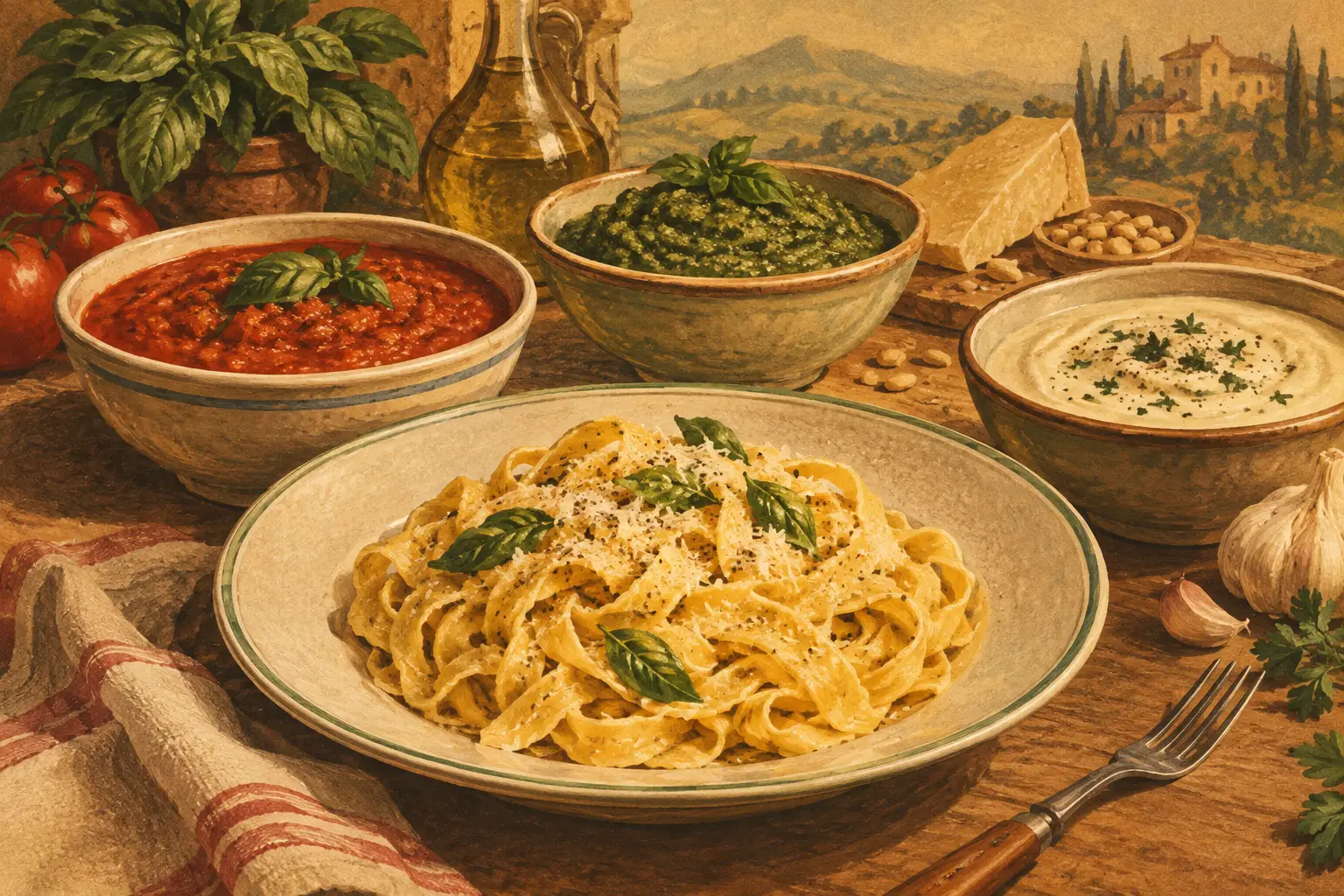
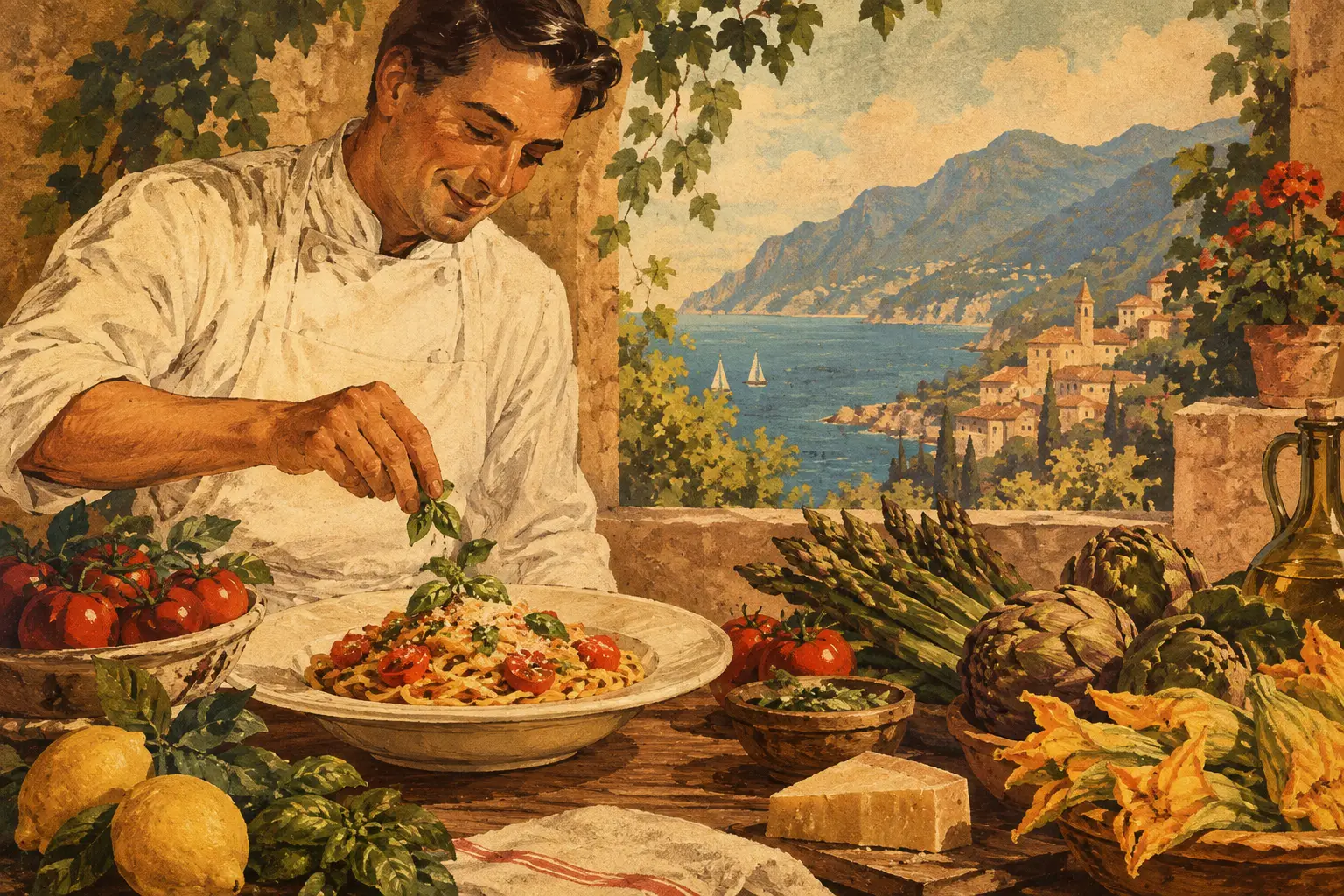
At an Italian restaurant, the menu is not an administrative detail. It is the heart of the celebration. The most memorable wedding meals have rhythm: something small to begin, generous dishes that encourage conversation, wine that belongs with the food, and a dessert course that gives everyone a reason to stay a little longer.
Seasonality should guide your choices. A rich, slow-cooked dish may be perfect for a November dinner, while lighter starters, handmade pasta and fresh summer flavours suit a wedding lunch. A good restaurant will explain what is at its best and help you create a menu with a sense of occasion rather than simply offering its usual dishes in larger numbers.
For larger groups, a set menu usually gives the kitchen and service team the best chance to look after everyone well. It does not have to feel limited. You might offer guests a choice between two pasta dishes in advance, or serve rustic starters to share before individual mains. Sharing works particularly well for an informal celebration, but only if the table layout leaves enough room for it.
Dietary requirements deserve attention from the start. Collect them with your invitations and send the final list well before the event. Vegetarian, vegan, gluten-free and allergy-friendly guests should receive a proper dish, not an afterthought. Ask how allergens are handled in the kitchen, especially where severe allergies are involved.
A tasting is useful if offered, particularly when you are choosing between dishes or pairing wines. Bring the questions you have discussed as a couple, but trust the restaurant’s experience too. They know which pasta holds its character for a full dining room and which courses allow service to flow naturally.
Plan the timing around hospitality, not a tight schedule
A restaurant meal has its own pace. Trying to fit too many formal moments into it can make the occasion feel hurried. Allow time for guests to arrive, greet one another and enjoy a drink before the first course. If you are coming from a ceremony, build in a little breathing room for photographs, traffic and the inevitable late arrival.
Speeches are often best kept short and placed between courses, when glasses can be topped up and guests are already settled. Tell the team exactly when they will happen. They can pause service, guide the room and make sure the coffee machine does not begin at the emotional bit.
If you are planning music, consider the scale. A playlist at the right volume may complement an intimate dining room better than a band that makes conversation impossible. Equally, if dancing is central to your celebration, a restaurant may work best for the meal before you continue elsewhere. It depends on the space and on what you want guests to remember most.
Add personal touches with a light hand
The room does not need transforming to feel like yours. A few seasonal stems in small vases, handwritten place cards, a favourite Italian song for your entrance, or menus printed with the date can be enough. These details sit beautifully alongside a restaurant’s existing character rather than competing with it.
Keep table arrangements low, particularly for one long table. Guests have come to celebrate with one another, and being able to see across the table is part of the pleasure. Candles can be lovely, but always ask what is permitted, particularly in listed buildings or closely arranged dining spaces.
If family traditions matter, share them with the team. Perhaps you would like a particular toast, a cake presented at the table, or a Sardinian-inspired dish that reminds you of a holiday or relative. Restaurants are at their best when they can turn these small personal stories into warm gestures, while still running a calm service.
Confirm the final details, then let the team host
Two weeks before the wedding, send one clear final document: guest numbers, seating plan, dietary requirements, menu choices, timings, suppliers, speech cues and the name of a trusted person to contact on the day. That person might be a sibling or friend rather than either of you. It gives you permission to arrive as hosts, not event managers.
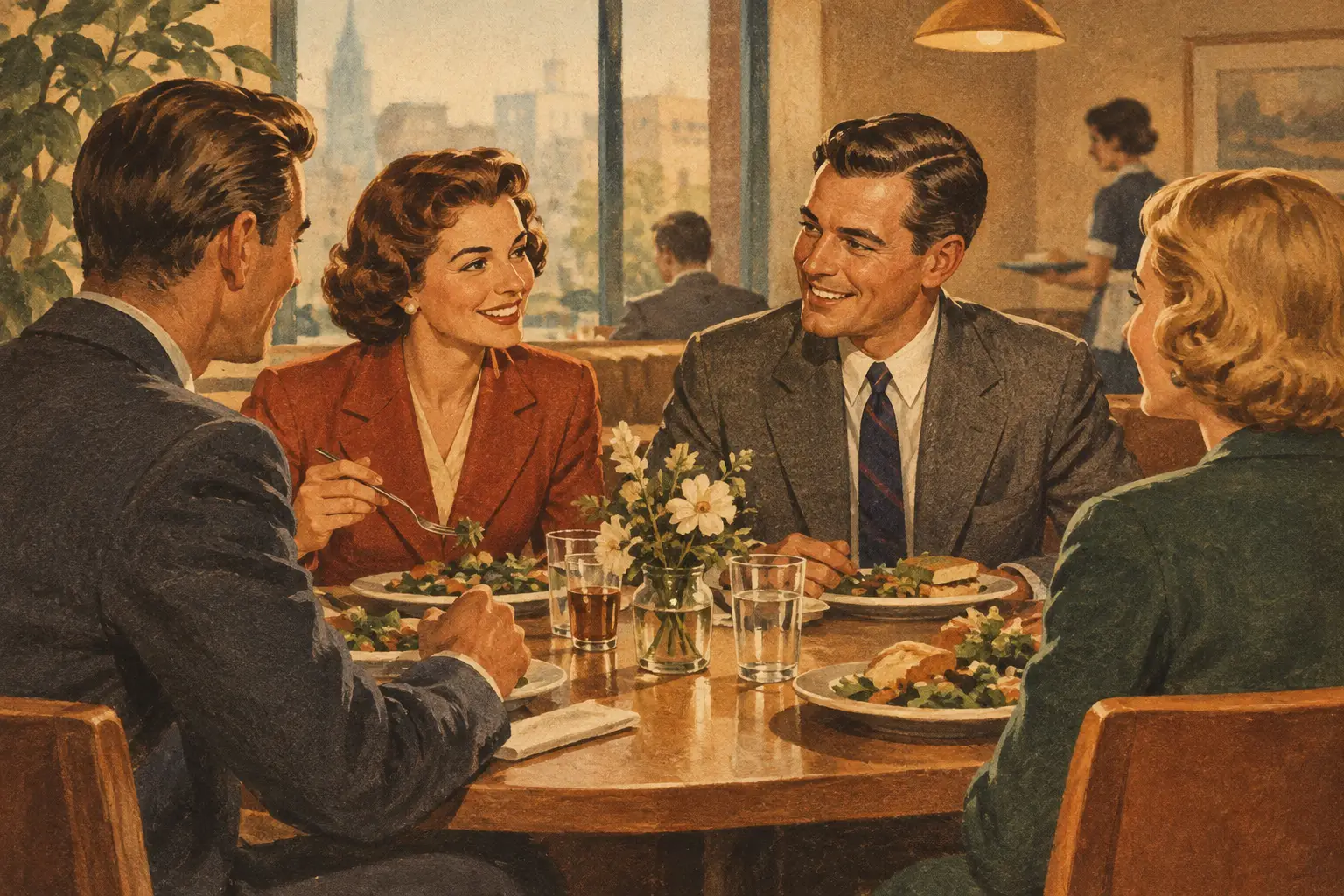
Choose seating with care, but do not over-engineer it. Place older relatives where they can hear comfortably, keep parents close if that feels right, and mix friends who will enjoy meeting. At a restaurant wedding, the table itself does much of the work. Good food gives strangers something immediate to talk about.
At L’assaggino, the pleasure of a wedding meal lies in that simple Italian idea of conviviality: guests welcomed warmly, seasonal dishes cooked with care, and a table that stays lively long after the first toast. The details matter, but they are there to support the real point of the day – sharing a generous meal with the people who have brought you to this moment.
When the menu is chosen, the room feels like you and the final numbers are confirmed, leave a little space for the unplanned parts: an extra laugh, a second helping, a toast from someone who had not meant to speak. Those are often the details guests carry home.