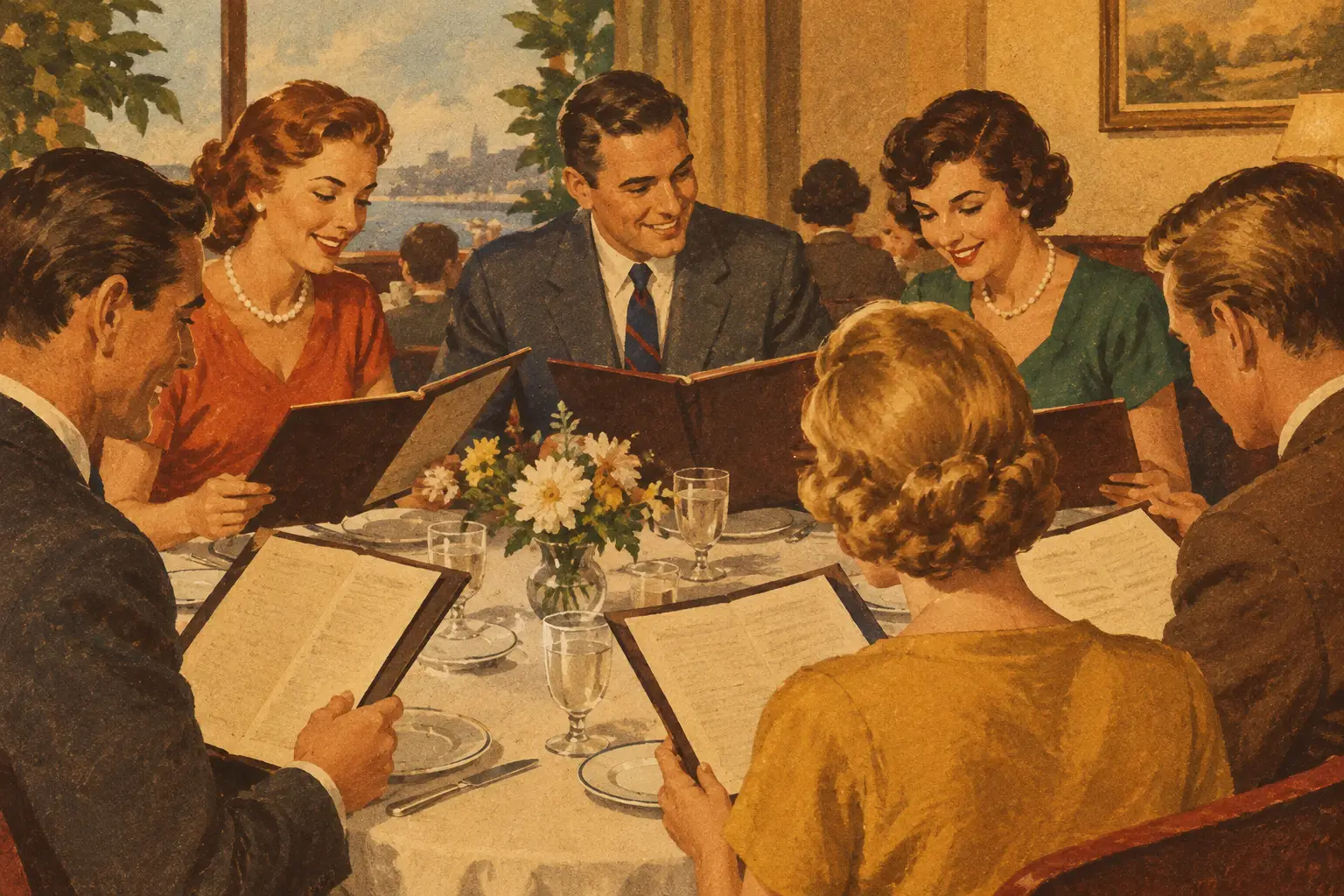
A good team dinner example is not a long table, a set menu and an awkward round of small talk. It is an evening where colleagues can put work aside, share a bottle of wine, pass around a starter and leave feeling they know one another a little better. The food matters, of course, but so does the pace, the welcome and the feeling that nobody has to perform.
For a team gathering in Richmond, an independent Italian restaurant offers a particularly easy kind of generosity. Fresh pasta is made for sharing an occasion: comforting enough for a chilly weekday, special enough for a celebration, and relaxed enough that the newest member of the team does not feel they have walked into a formal corporate event.
What makes a team dinner feel worth organising?
The best work dinners have a clear purpose without becoming a meeting in disguise. Perhaps you are welcoming new starters, marking the end of a busy project, thanking a team after a demanding season or simply bringing together people who usually only see each other through a screen. The occasion should set the tone, but it need not dominate the evening.
A thoughtful host considers the practical details early. Choose a date that gives people enough notice, ask about dietary requirements before booking, and be open about the budget. There is no need to announce a precise spend per head in every invitation, but colleagues should know whether drinks are included and whether the meal is being hosted by the business.
The room is just as important as the menu. A noisy bar can be lively for a small group of friends, yet tiring when twelve colleagues are trying to speak across two tables. Equally, a private room can feel overly formal for a casual team thank-you. Look for a welcoming dining room where the table has its own space, but remains part of the atmosphere.
A team dinner example for 12 colleagues
Imagine a Thursday evening in Richmond. A team of twelve has finished a major piece of work and wants to celebrate without turning the night into a late one. The group includes regular wine drinkers, one person who does not drink alcohol, a vegetarian and two colleagues who have only joined recently.
The host books a table for 6.30pm, rather than 8pm. It gives everyone time to arrive after work, keeps the evening sociable and means people can still catch their train or get home to family. A simple message goes out a week or two beforehand: the company is hosting dinner, drinks will be provided to a sensible point, and any dietary needs should be shared privately.
Start with a proper welcome
Rather than asking everyone to sit down the moment they arrive, allow 20 to 30 minutes for people to settle in. Sparkling wine, a light Italian white or a well-made non-alcoholic aperitif gives the group something to hold while conversation begins naturally. This is the moment for introductions between people from different parts of the business, not formal speeches.
A few rustic starters placed in the middle of the table help immediately. Think of good bread, olives, seasonal vegetables and sharing plates with plenty of flavour. Food on the table gives people a reason to reach, offer and ask questions. It is a far better icebreaker than a forced game.
Keep the meal simple, seasonal and generous
For the main course, a pre-agreed choice between two or three dishes is usually the sweet spot. It gives the kitchen time to look after a larger party well, while ensuring guests retain some choice. A seasonal pasta dish, a vegetarian pasta and one alternative for guests who prefer fish or meat will cover most groups comfortably.
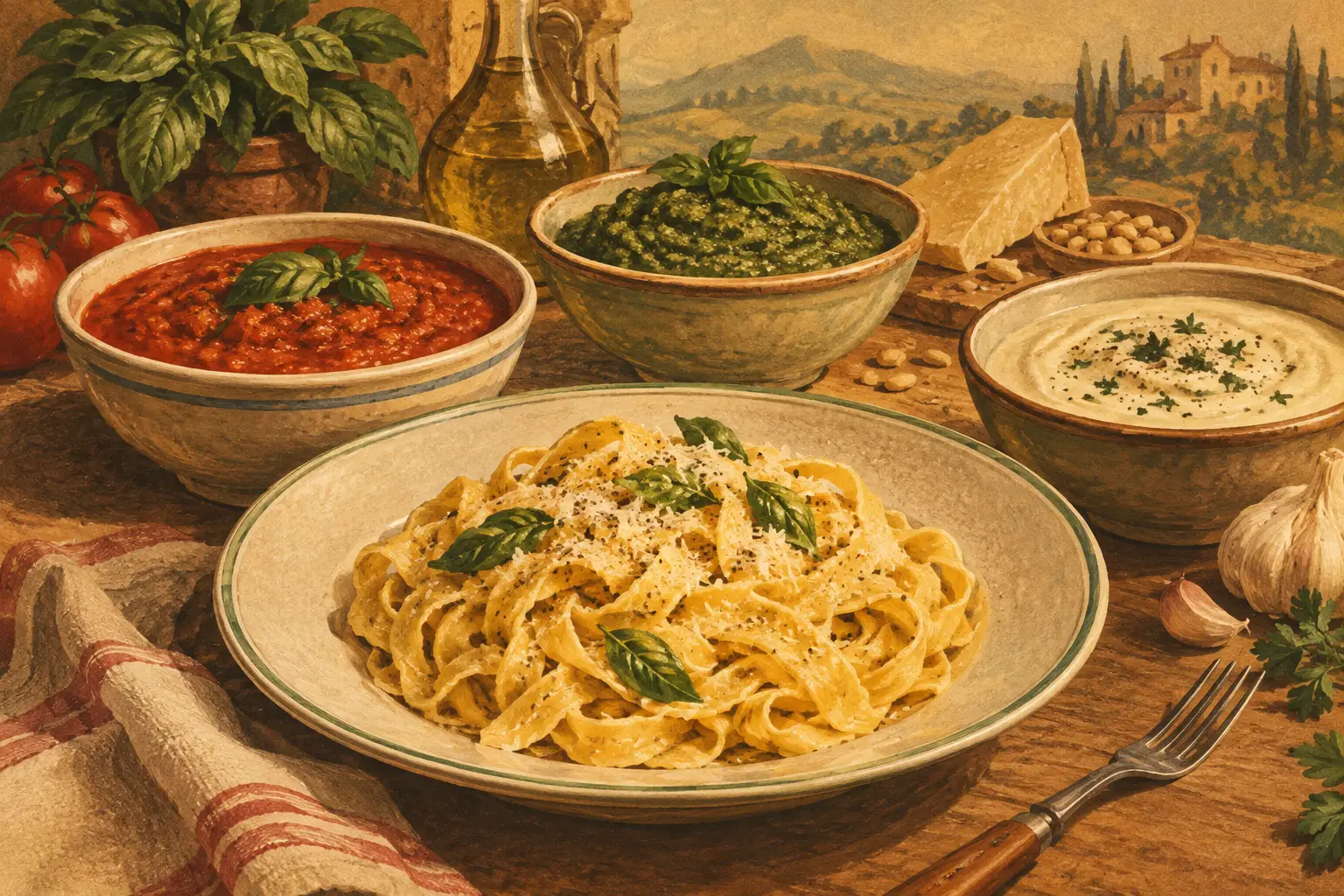
This is where Italian food earns its place at a team dinner. Pasta is familiar but never dull when it is freshly made and properly dressed. A plate of silky tagliatelle, rich ragù or pasta with seasonal vegetables feels celebratory without asking guests to decode an elaborate menu. It is also easy to pair with wine, whether the table prefers a bright white, an easy-going red or a few bottles of both.
At L’assaggino, the appeal for groups is the balance between beautiful rustic cooking and a genuinely personal welcome. A meal can feel considered and special without becoming stiff or overly polished. That matters when the aim is to bring people together, rather than impress them with ceremony.
Give the evening a small moment of recognition
If there is a reason for the dinner, keep the speech brief and warm. A manager might thank the group for a successful launch, recognise an individual effort or welcome new colleagues. Two minutes is often enough. The point is to make people feel seen, not to recreate the office after hours.
Dessert is a natural point for this. Sharing a few Italian sweets, followed by coffee, allows the table to slow down. Those ready to leave can do so after a final espresso; those enjoying themselves can stay for another glass. That flexibility is useful for teams with different schedules and energy levels.
Getting the details right before you book
A successful group dinner begins with a conversation with the restaurant. Be clear about your numbers, although it is sensible to ask when the final number is needed. For a group of ten or more, last-minute changes can affect table layout and menu planning, especially on busy evenings.
Tell the restaurant what the evening is for. A quiet client dinner needs a different atmosphere from a Christmas party or a lively team celebration. If there is a budget, share it honestly. A good restaurant can suggest a menu and drinks arrangement that feels generous without allowing costs to drift unexpectedly.
Dietary requirements deserve particular care. Asking whether someone is vegetarian is not enough: check for allergies, vegan requirements and gluten concerns, then pass the information on clearly. Do not make the affected guest explain their needs again in front of the whole table if it can be avoided. Thoughtful hosting is often felt in these small details.
It is also worth deciding how drinks will work. Some teams prefer a few bottles for the table alongside water, then ask guests to buy anything further themselves. Others offer a set allowance or choose matched wines with the meal. Neither approach is wrong. What matters is that expectations are clear and nobody is left uncertain at the end of a lovely evening.
Why a local Italian restaurant works so well
Chain venues can be convenient, particularly when guests are travelling from several parts of London. But an independent neighbourhood restaurant offers something different: a sense that the evening belongs to the people at the table. The welcome is more personal, the cooking has a point of view and the room has its own character.
In Richmond, proximity to the station is useful for colleagues coming from central London or further afield. Yet the meal should feel like a destination rather than a stop before the journey home. A cosy room, attentive service and food made with care can turn a practical work gathering into the kind of night colleagues mention weeks later.
There is a trade-off. A very large group may need a more formal arrangement, a limited menu or an earlier booking. That is not a compromise in hospitality when it is handled well. It allows the kitchen to send out each dish at its best and lets the front-of-house team give the table proper attention.
A final note for the host
Do not try to control every conversation or make the evening productive. Choose good food, offer a warm welcome, make the practical arrangements clear and then let the table do the rest. The most memorable team dinner is often the one where people stop feeling like a team for a few hours and simply enjoy being together.