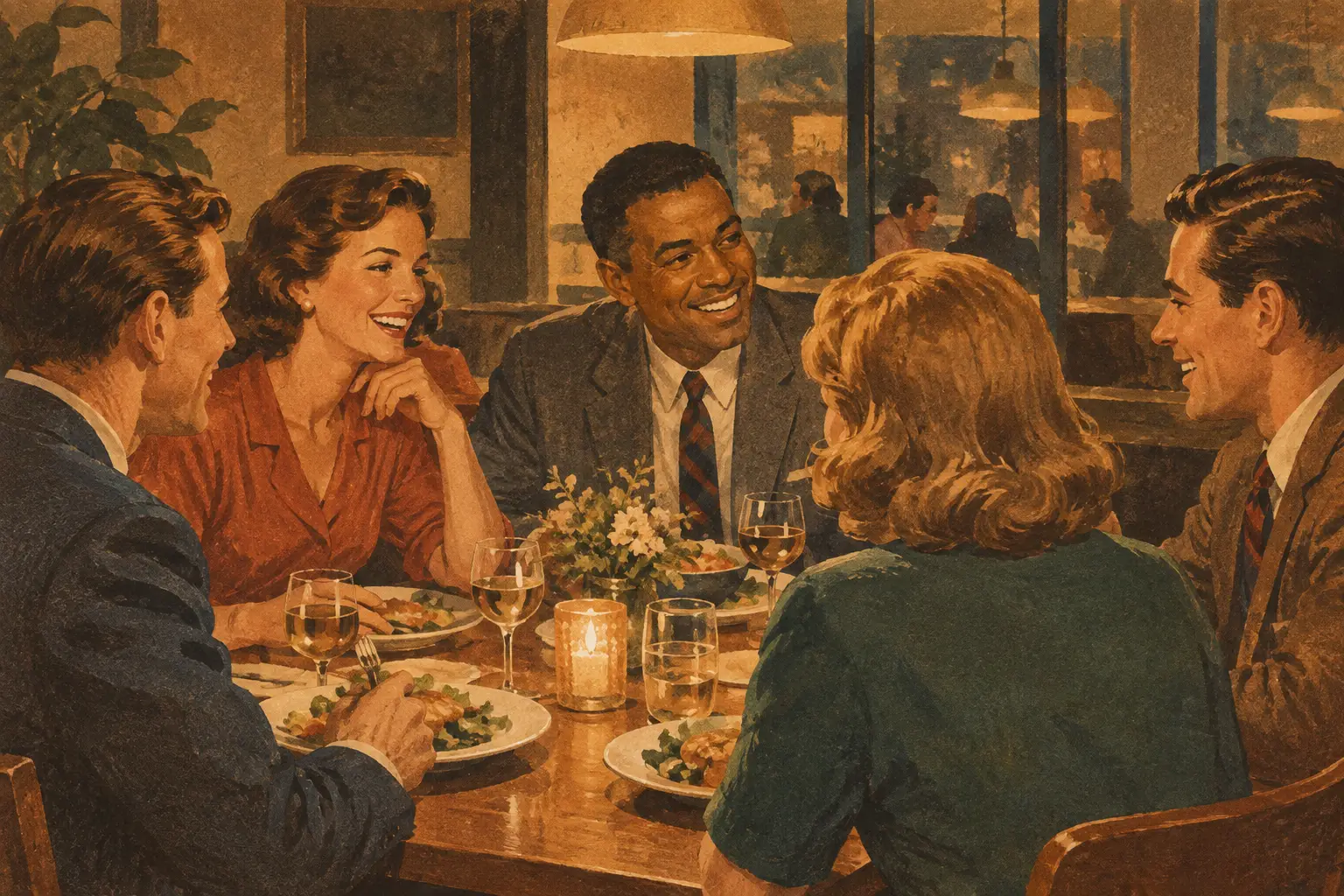
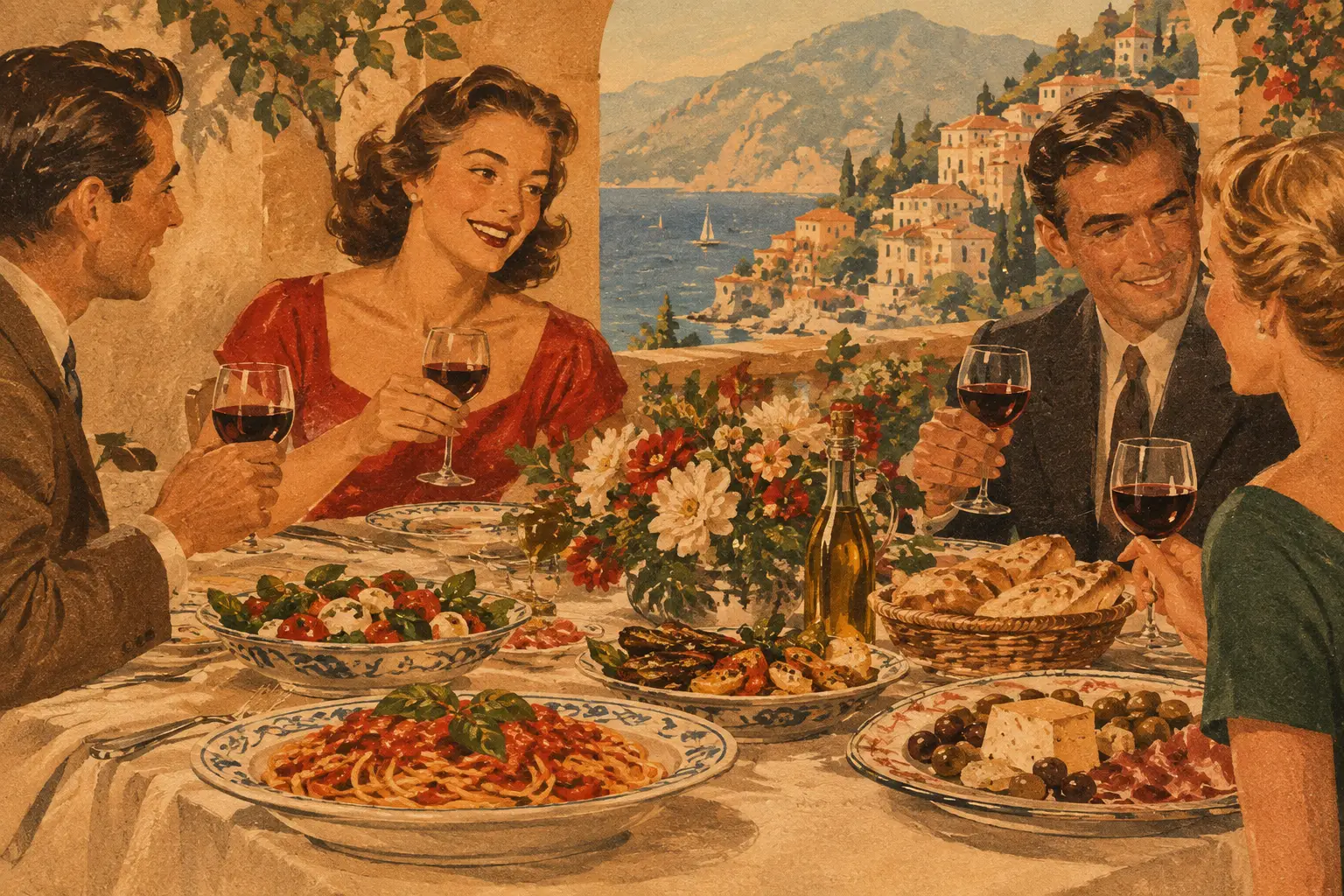
A wedding meal should never feel like an interruption between the ceremony and the dancing. It can be the heart of the day: plates of fresh pasta arriving at the table, good wine being poured, and the people you love sharing stories across a room that already feels full of life. So, can restaurants host weddings? Absolutely. For couples who care more about generous hospitality than a vast ballroom, a restaurant wedding can be one of the most personal ways to celebrate.
A restaurant is not the right choice for every wedding, and that is part of its charm. It suits couples who want beautiful food, relaxed conversation and a setting with character, without spending months building an event from scratch. In a neighbourhood Italian restaurant, the welcome is already part of the room.
Can restaurants host weddings that feel special?
Yes, provided the restaurant has the space, team and flexibility to make the celebration feel like yours. A proper wedding does not require chair covers, a three-tiered seating plan or a room hired simply because it is large. It needs care. It needs food people remember. It needs enough time for everyone to settle in, raise a glass and enjoy being together.
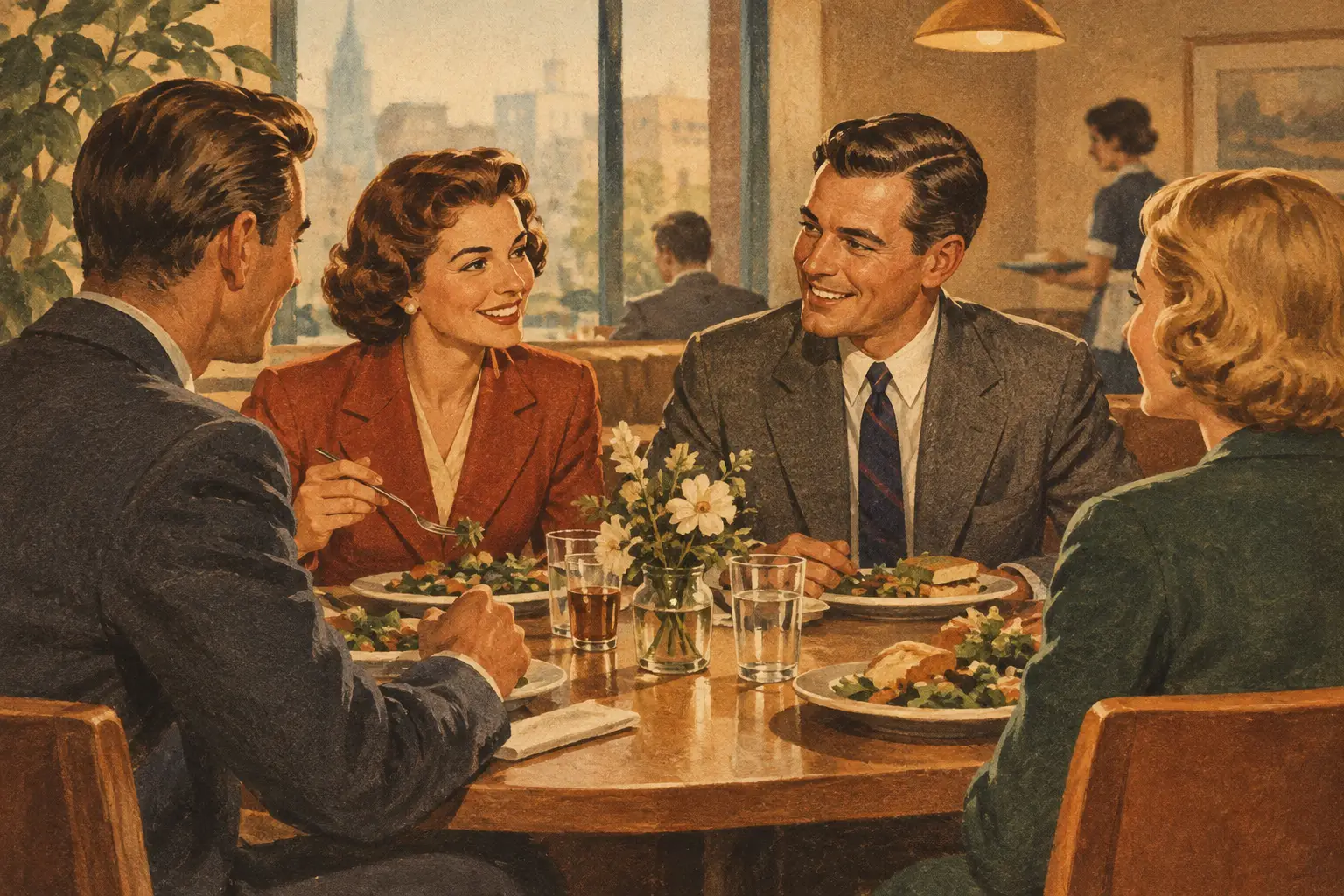
Restaurants are particularly lovely for intimate weddings, civil ceremonies followed by lunch, and evening celebrations where the focus is firmly on the table. Instead of asking guests to make small talk in an anonymous function suite, you bring them into a place with its own warmth, scent and rhythm. The clink of glasses, the warmth of the kitchen and the arrival of a favourite dish all add to the atmosphere.
For many couples, there is also a welcome simplicity. The kitchen, furniture, tableware, bar and experienced service team are already there. Rather than sourcing each element separately, you can spend your energy on the choices that mean the most: the menu, wine, flowers, music and the people around you.
Why an Italian restaurant works so well for a wedding
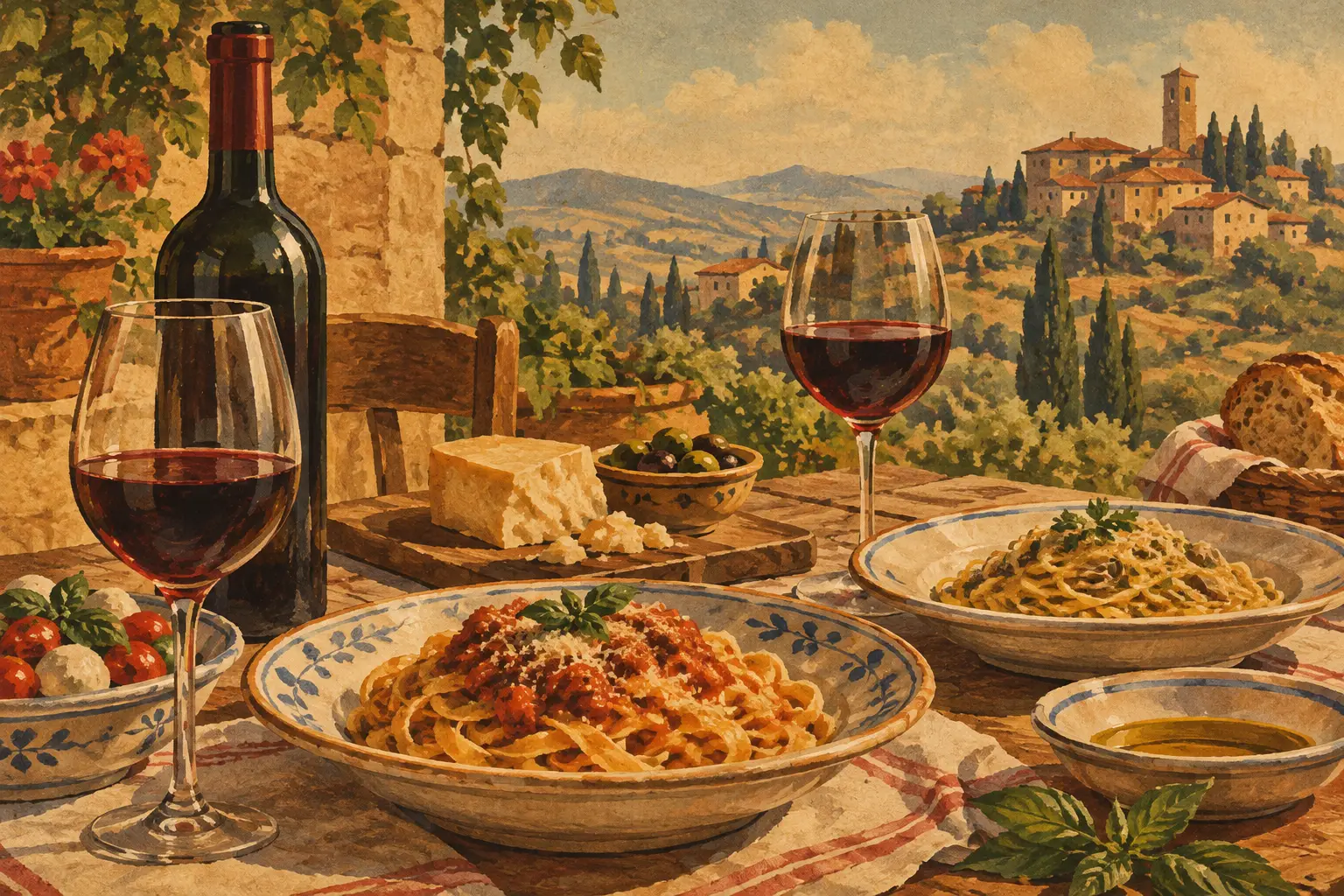
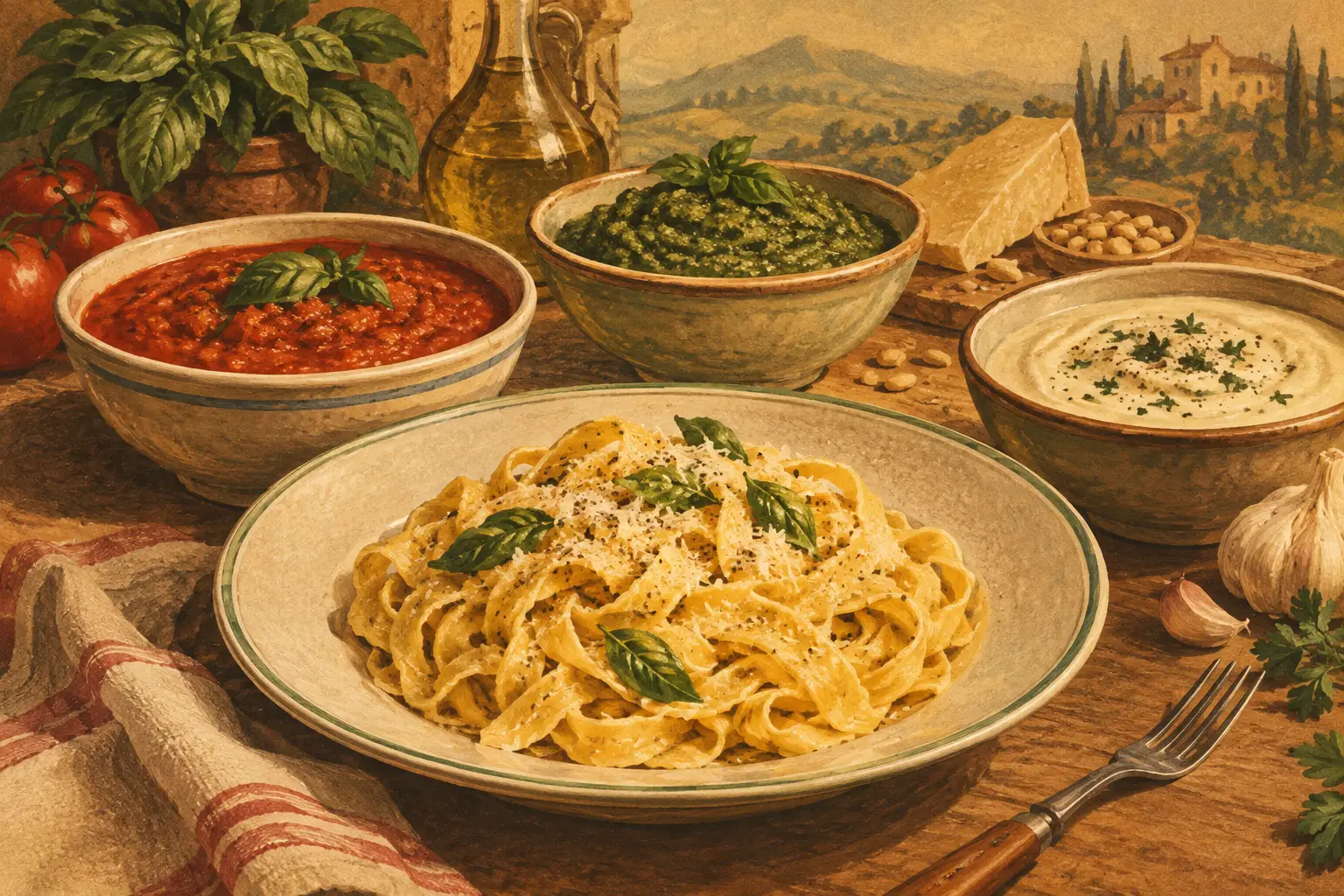
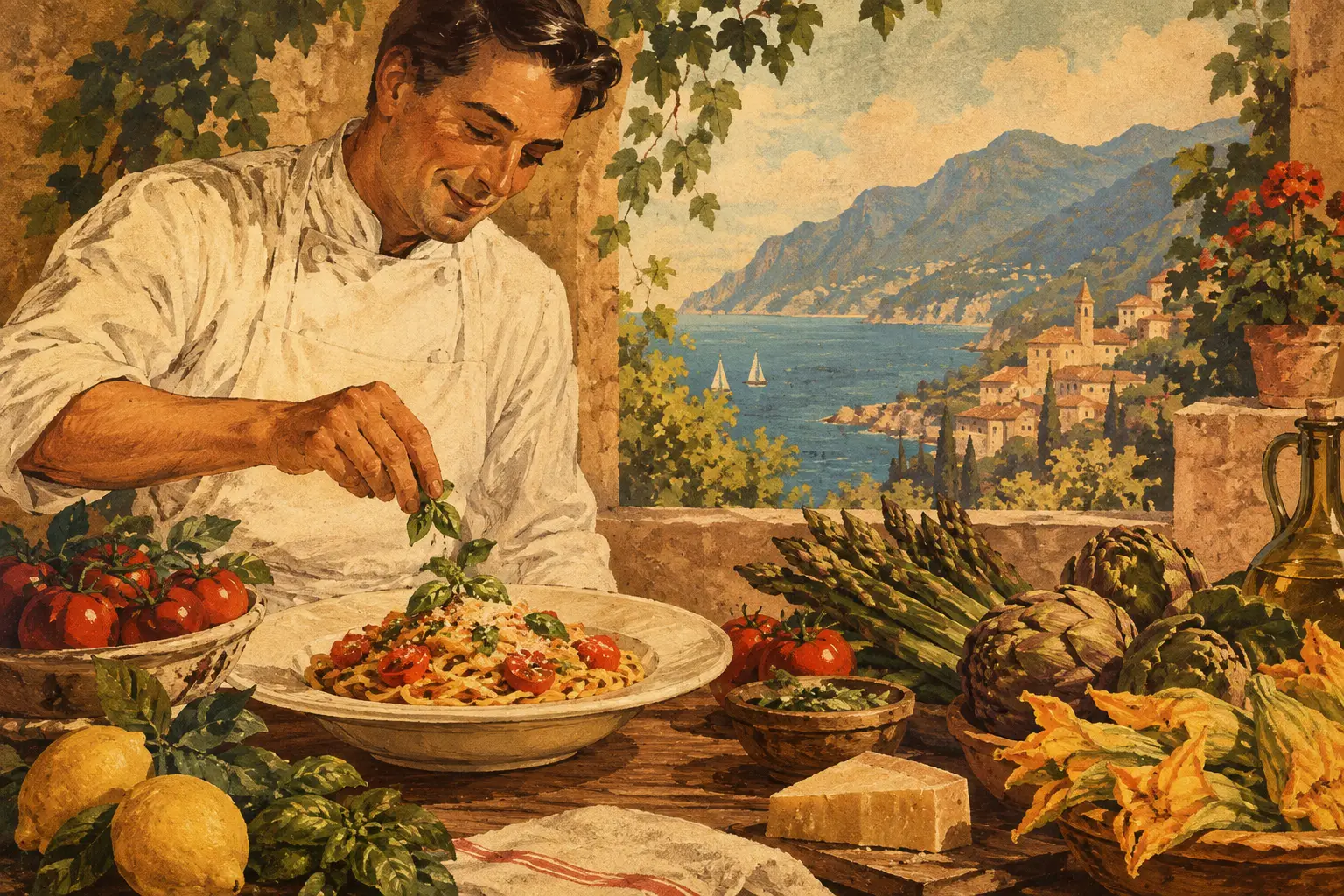
Italian food is made for celebration. It is generous without being fussy, comforting without feeling ordinary and naturally suited to lingering over several courses. A bowl of handmade pasta, a rustic starter for the table and a carefully chosen bottle of Italian wine invite guests to relax. That matters on a day when emotions are already running high.
The best restaurant weddings feel hosted rather than staged. Guests are welcomed, looked after and fed properly. Couples can move through the room easily, speak to everyone and enjoy their own meal rather than worrying about whether the caterer has arrived or the tables have been laid correctly.
At L’assaggino, the appeal is the intimacy of a neighbourhood restaurant paired with seasonal Italian cooking. A Grade II listed setting brings its own sense of occasion, while freshly made pasta and thoughtful hospitality keep the celebration warm and unpretentious. It is the sort of place where a wedding can still feel like a very good dinner party, only with everyone you love in one room.
Start with the guest list, not the menu
It is tempting to begin with the food, especially if you are planning an Italian wedding meal. First, be realistic about numbers. Restaurants each have a natural capacity, and the best experience comes from choosing a room that feels comfortably full rather than overcrowded.
Ask whether you would like exclusive use of the restaurant or a private area within it. Exclusive hire gives you greater freedom with timings, music, decorations and speeches. It may also have a minimum spend, particularly for a popular Saturday evening. A private section can be a wonderful alternative for a smaller gathering and may offer a more relaxed budget.
Think about the shape of the celebration too. A long lunch has a different feeling from an evening feast. A weekday wedding may give you more flexibility and can be especially appealing for a civil ceremony nearby followed by a leisurely meal. If children, older relatives or guests travelling across London are involved, an earlier start and a clear finishing time are often appreciated.
Talk through the practical details early
A restaurant team can make a wedding feel effortless, but they need a clear picture of what you have in mind. Share your date, approximate guest numbers, preferred timings and whether you are planning a ceremony elsewhere before arriving for drinks and dinner. From there, the conversation becomes far more useful.
There are a few details worth confirming before you commit:
- whether the space is available for exclusive or partial hire, and what the minimum spend includes
- the maximum number of guests for a seated meal, standing drinks reception or both
- menu options for vegetarian, vegan, gluten-free and other dietary requirements
- timings for access, speeches, cake, music and the final departure
- any restrictions connected to the building, sound levels, candles or decorations
These are not dull details. They are what allow everyone to enjoy the day without last-minute surprises. A listed building, for example, may have particular practical considerations, but it also offers character that cannot be copied in a blank event room.
Build a menu people will look forward to
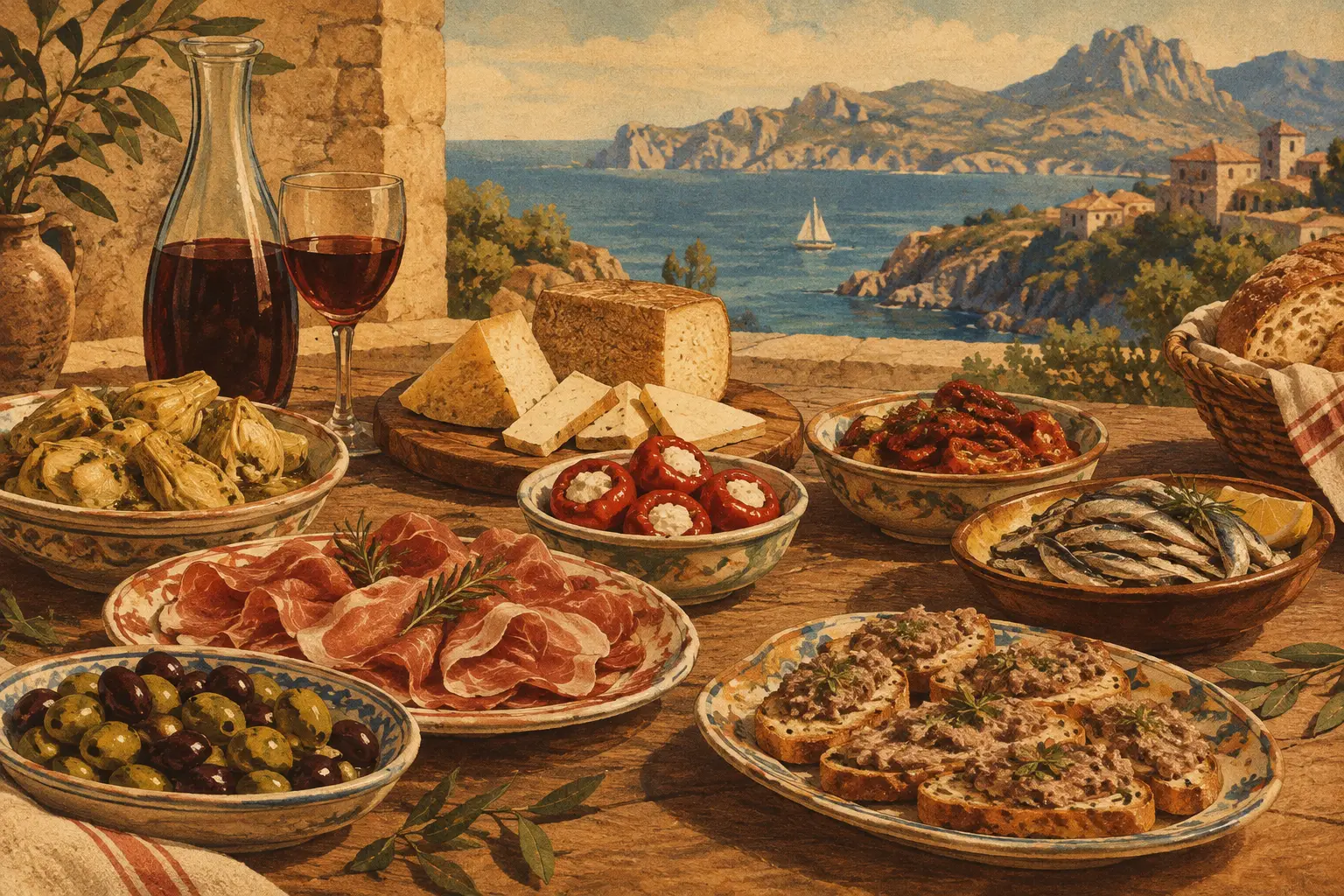
A wedding menu works best when it reflects how you genuinely like to eat. There is no need to make it overly formal simply because it is a wedding. A beautifully prepared antipasto, seasonal pasta and a generous main course can feel celebratory while still being recognisably Italian.
For a smaller group, guests may be able to choose from a short selection in advance. For larger parties, a set menu is usually kinder to the kitchen and smoother for service. It also keeps the table moving together, which helps create a shared occasion rather than several separate restaurant orders.
Choose dishes with the season in mind. A light, colourful menu feels right for a summer wedding, while slower-cooked flavours, mushrooms, squash or rich ragù can make an autumn or winter celebration especially welcoming. The strongest menus balance familiarity with one or two dishes that feel distinctive. Your guests should feel well fed, not tested.
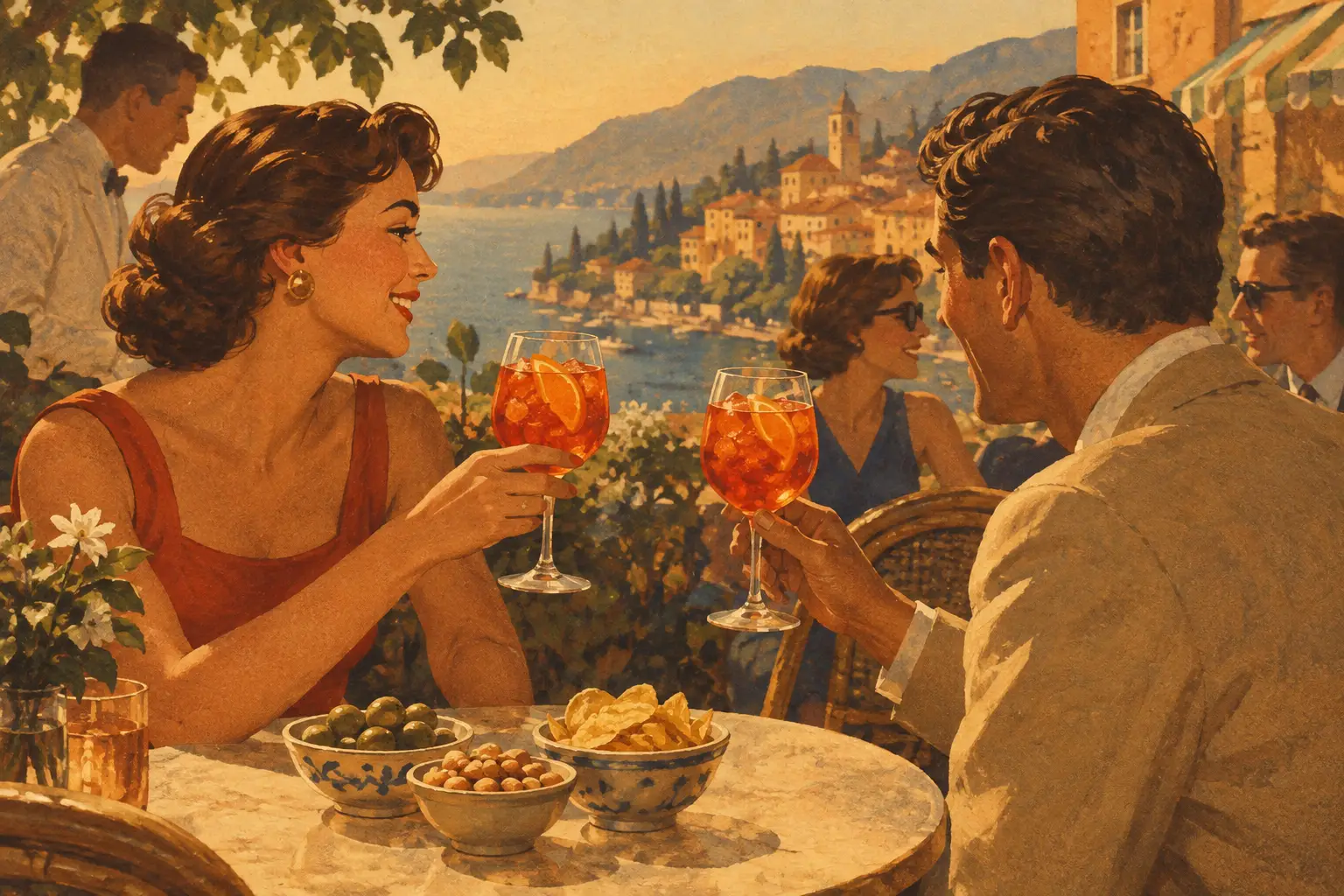
Do not treat wine as an afterthought. A thoughtful wine list can shape the entire meal, whether you choose a crisp white for the aperitivo, a lively red for the main course or prosecco for the first toast. Ask about pairing suggestions and decide whether wines will be selected per course or offered on the table. Both can work beautifully, depending on the size and pace of your day.
Give the room a little of yourselves
One advantage of a restaurant wedding is that the venue already has personality. You do not need to cover every surface in decoration. A few seasonal flowers, place cards, menus or family photographs can be more effective than trying to transform the room completely.
Keep table styling low enough for conversation. The real decoration should be your guests, the food and the glow of a busy room. If you are bringing a cake, ask in advance about delivery, storage, presentation and whether there is a cake-cutting or serving charge. Small arrangements like this make a noticeable difference on the day.
Music deserves the same thought. A carefully made playlist can carry an intimate lunch into a livelier evening, but the volume should leave space for conversation. If you are considering a musician or speaker system, check what the venue can accommodate. In a close, characterful room, less is often more.
The trade-offs are worth understanding
Restaurant weddings are wonderfully focused, but they are not a blank canvas. You may have less room for a live band, late-night dancing or a large guest list than you would in a dedicated events venue. There may be fixed service times, limits on decorations and a minimum spend for exclusive use.
For some couples, those limits are a reason to choose another type of venue. For others, they are a relief. A restaurant gives the day a natural shape: arrive, celebrate, eat, toast, linger. There is less pressure to fill twelve hours with entertainment and more room for the moments that tend to matter later.
If you want a grand party with a dance floor until midnight, look for a venue built for it. If you want your wedding to feel intimate, delicious and genuinely looked after, a restaurant can be exactly right.
Make the booking feel personal
Once you have found the right place, book early, especially for spring and summer Saturdays. Arrange a proper conversation with the events or restaurant team, and if possible, visit at the same time of day as your celebration. You will get a much better sense of the light, energy and flow of the room.
Bring the questions that matter to you, but leave room for the team’s advice. They know how long a meal takes, which table arrangements work and how the kitchen can serve a group at its best. Good hospitality is collaborative. The finest celebrations happen when the couple’s ideas and the restaurant’s experience meet at the table.
A wedding does not need to be grand to stay with people. Give your guests a beautiful plate of food, a glass worth raising and the feeling that they have been welcomed into something real. That is often more than enough reason to gather.