A few minutes from Richmond Underground, the difference between a convenient meal and a restaurant you want to return to is often felt before the first plate arrives. A useful independent Italian restaurant review looks beyond a quick score. It tells you whether the pasta is made with care, whether the room feels welcoming, and whether the people serving you take genuine pride in the evening.
For diners who care about simple Italian food done properly, those details matter. A neighbourhood restaurant is not trying to be everything to everyone. It has its own rhythm, its own regulars and a kitchen that should reflect the season rather than a formula printed across hundreds of sites.
An independent Italian restaurant review starts with the food
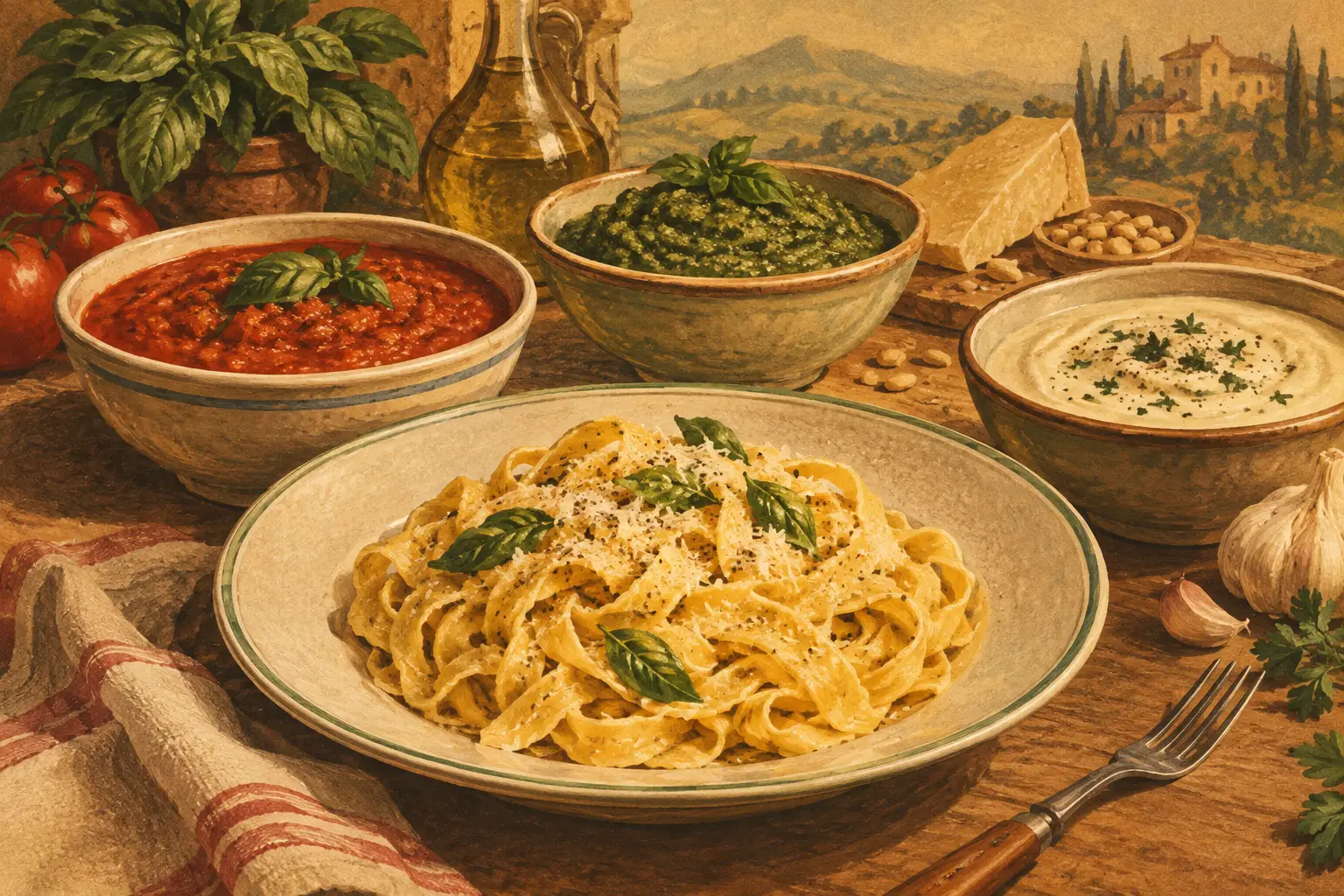
Italian cooking has nowhere to hide. A dish may have only a handful of ingredients, so their quality and treatment are clear in every mouthful. A good review should say more than that the food was “nice”. Was the tomato sauce bright and naturally sweet, or heavy with sugar? Was the pasta cooked with a little bite? Did the olive oil, cheese and herbs bring the dish together without competing for attention?
Fresh pasta is a particular marker of care. It is not simply softer than dried pasta. When it is prepared well, its texture carries a sauce beautifully, whether that is a slow-cooked ragù, a butter sauce enriched with sage, or a light seafood dressing that tastes of the sea rather than cream. The shape should make sense for the sauce, too. Ribbons, shells, pockets and curls each hold flavour differently.
Seasonality deserves a mention in any thoughtful review. A restaurant that changes elements of its menu as ingredients come into their best should feel alive. Spring greens, ripe summer tomatoes, autumn squash and winter braises all offer a reason to come back. This is not about making familiar dishes complicated. It is about allowing good ingredients to speak clearly.
Rustic starters can reveal just as much as a signature pasta. Well-seasoned vegetables, quality cured meats, warm bread and a generous plate of antipasti set the tone for the table. The most memorable Italian meals are often built from this kind of straightforward generosity.
Look for warmth, not theatre
Service at an independent restaurant should feel personal without becoming intrusive. A warm welcome, honest guidance on the menu and someone who notices when a glass needs topping up can transform a weeknight supper. Equally, there is value in being left to enjoy a long conversation without being hurried towards the bill.
This is where a review should be specific. Did the team make a family feel comfortable? Were they able to suggest a wine for the table without making anyone feel they needed to be an expert? Did they accommodate a celebration with quiet confidence? These are the signs of hospitality rather than performance.
At L’assaggino, the appeal lies in that balance: a cosy, characterful room, freshly prepared Italian food and the kind of attentive welcome that makes a local restaurant feel like a favourite address. For a lunch between meetings, dinner with friends or a birthday table, the atmosphere matters as much as the menu.
A Grade II listed building brings its own charm. It may also mean an intimate dining room rather than a vast open space, and that is a trade-off worth understanding. If you want a lively, close-knit restaurant where conversations and the scent of cooking fill the room, this can be part of the pleasure. If you need complete quiet or a large amount of personal space, it is sensible to choose your table and timing carefully.
Value is more than the price on the menu
An independent Italian restaurant review should consider value honestly. The cheapest bowl of pasta is not always the best value, particularly if it relies on tired ingredients or arrives without care. In the same way, a higher price is only justified when it is reflected in cooking, portion, ingredients, service and the overall experience.
Fair pricing feels reassuring rather than flashy. It is a good sign when a restaurant offers a lunch worth taking time over, a pasta dish that feels generous, and wine chosen to complement the food rather than inflate the bill. Midweek offers can make a proper dinner feel even more relaxed, whether that means prosecco with friends or a second pasta dish shared across the table.
Reviews are especially helpful when they explain the occasion. A couple celebrating an anniversary may value an unhurried meal and a bottle from a considered wine list. A group organising a Christmas party may need clear communication, flexible menu choices and a room with enough energy for everyone to enjoy themselves. Neither experience is better – they simply ask different things of the restaurant.
Wine should belong at the table
Italian food and wine are companions, not separate events. A good list does not need to be intimidating or enormous. It should offer bottles with character at different price points, alongside glasses that work well with lunch, a quick pasta supper or a longer meal.
A reviewer need not name every bottle to be useful. It is more meaningful to describe whether the wine was served at the right temperature, whether staff could make an approachable recommendation, and whether it suited the food. A crisp white with seafood, a bright red beside a rich sauce, or a glass of prosecco to begin the evening can all add to that generous Italian sense of occasion.
Wine-tasting evenings are another measure of a restaurant’s confidence. Done well, they are relaxed occasions to learn through tasting, talking and eating, rather than formal lessons for people who already know every grape. The best ones leave guests with a few new favourites and a reason to gather again.
Read reviews for the details that repeat
One glowing review can be encouraging, but repeated themes are more telling. When different diners mention fresh pasta, friendly staff, generous portions, a welcoming atmosphere and good value, it paints a more reliable picture. Pay attention to reviews from people dining for reasons similar to yours: local date nights, family meals, business lunches or larger celebrations.
It is also wise to read the occasional criticism with proportion. Every restaurant can have a busy service or a dish that is not to one person’s taste. The question is whether comments suggest a one-off disappointment or a consistent issue. Independent restaurants are human places, and that human quality is often exactly what makes them memorable.
Photos can help, although they rarely convey the whole experience. Look instead for signs of care: plates that appear freshly prepared, ingredients that look recognisable and a dining room where people seem settled rather than rushed. The most useful review leaves you able to imagine the evening, from the first welcome to the last spoonful of dessert.
The best measure is whether you would return
A restaurant can serve a beautiful dish once. Building a neighbourhood following is harder, and more meaningful. It asks for consistency, friendliness and enough variation through the seasons that regulars still find something new to enjoy.
That is the real value of an independent Italian restaurant review. It should help you find a place where dinner feels like more than a transaction: a table worth booking for an ordinary Tuesday, a bottle opened for good news, and food made with enough care that you begin planning your return before you have left.