A celebration should feel like a table brought to life, not a complicated order form passed around all evening. This bespoke celebration menu example shows how an Italian meal can give a birthday, engagement, family gathering or work party its own character: generous plates in the middle, fresh pasta made with care, good bottles opened at the right moment and enough flexibility for every guest to feel looked after.
At L’assaggino, the best group meals tend to begin with a simple question: what do you want the room to feel like? A long, chatty supper with wine and sharing dishes calls for a different menu from a smart lunch for colleagues or a relaxed Sunday family celebration. The ingredients may be simple, but the occasion deserves personal attention.
A bespoke celebration menu example
For a group of around 16 to 24 guests, an Italian feast is often most enjoyable when the first part of the meal is shared and each guest then has their own pasta or main course. It creates a lively start without making the table feel overly formal, while still allowing the meal to move at a comfortable pace.
Welcome drinks and antipasti
Begin with chilled prosecco, Italian beer or a considered selection of soft drinks as guests arrive. A few nibbles on the table make the first conversations easier: warm focaccia, olives dressed with herbs and citrus, and perhaps crisp fried bites served hot from the kitchen.
Then bring out rustic antipasti to share. Think burrata with seasonal tomatoes and basil when summer allows, cured Italian meats, grilled vegetables, arancini and a bright salad with peppery leaves. In colder months, the table might lean towards roasted squash, mushrooms, radicchio or slow-cooked pulses. The point is not to overload the table. It is to offer a few beautiful dishes full of flavour and let guests help themselves.
This first course is especially useful for mixed groups. People arrive at different times, dietary needs can be handled thoughtfully, and nobody has to make a final decision before they have even taken off their coat.
Fresh pasta as the centre of the occasion
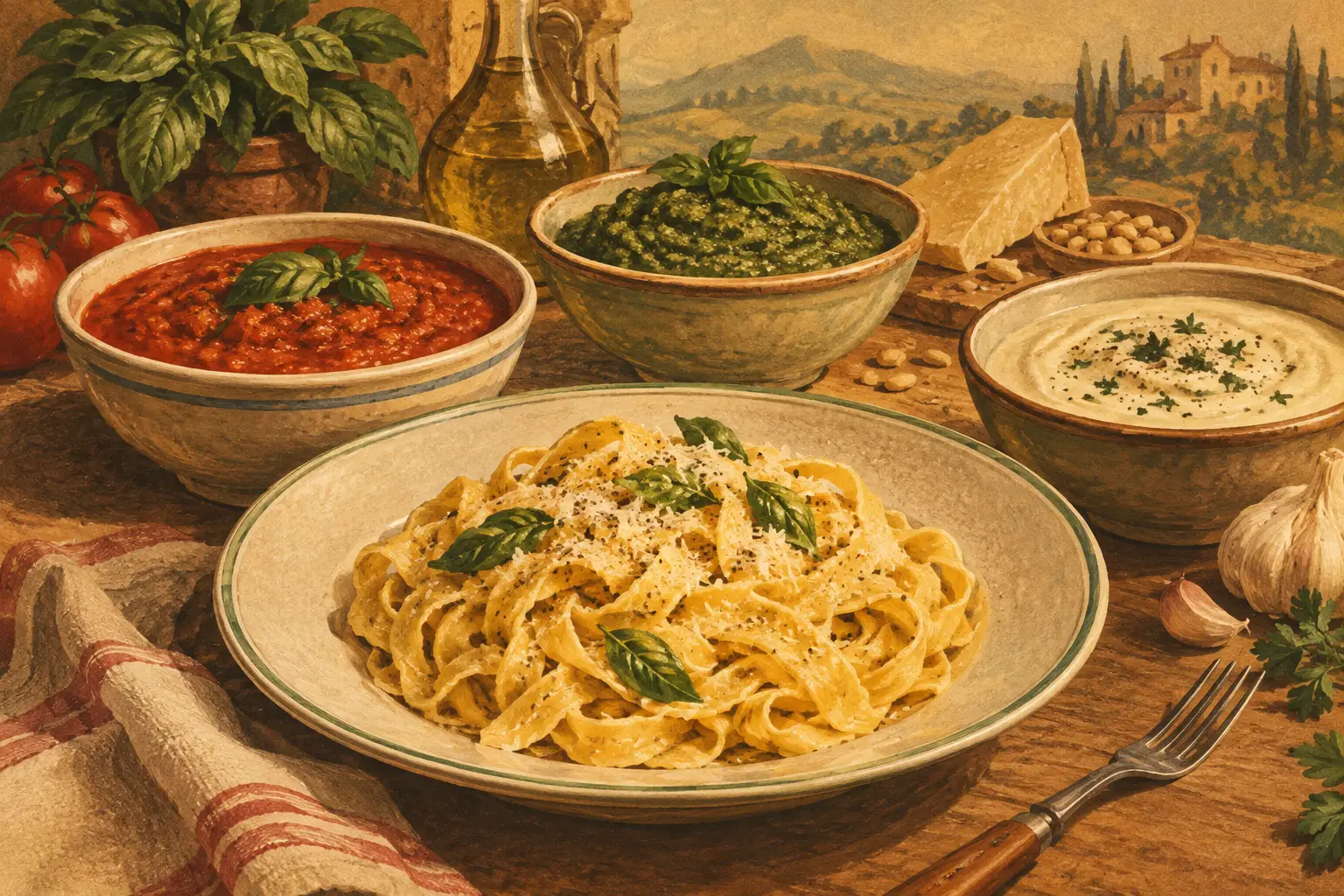
Pasta is where a celebration menu becomes personal. Rather than offering a long list, choose two or three dishes that suit the season and the mood of the party. One can be a familiar crowd-pleaser, one can be a little more distinctive, and one should be vegetarian by design rather than an afterthought.
A spring or summer menu might include tagliatelle with a slow-cooked beef ragù, ricotta-filled ravioli with butter, sage and lemon, and a tomato-led pasta with aubergine and salted ricotta. For autumn and winter, a rich sausage ragù, mushroom pappardelle or pumpkin ravioli can bring a little warmth to the table.
For larger parties, asking guests to choose their pasta in advance is often the calmest option. It helps the kitchen serve everyone together and means hosts are not chasing decisions between speeches. For a smaller, informal group, two large pasta choices arranged before the day can work beautifully, particularly when everyone is happy to share a little from their plate.
The right choice depends on the guests. A group of close friends may welcome bolder Sardinian flavours and a slower meal. A work dinner may prefer recognisable dishes, clear timings and lighter options. Neither is more celebratory than the other. The best menu is the one that lets people relax.
A simple main course, if the occasion calls for it
Not every party needs a separate main course after pasta. For a birthday supper or a Christmas gathering, antipasti, pasta and dessert can feel generous and complete. Skipping a main also keeps the energy of the evening light, leaving more room for conversation and another glass of wine.
For a wedding lunch, milestone anniversary or more formal private event, a main course can add a sense of occasion. A slow-cooked lamb dish, chicken cooked with herbs and lemon, or a seasonal fish course gives the meal a little more structure. Serve it with roast potatoes, greens and a sharp seasonal salad rather than too many competing sides.
A vegetarian main should receive the same care. A baked aubergine dish, a generous vegetable tart or a hearty cannellini bean preparation can hold its place confidently on the menu. Guests with allergies or dietary requirements should always be discussed before the menu is finalised, so they can enjoy the meal without fuss or uncertainty.
Dessert, coffee and the last toast
Dessert is the natural place for a little theatre, even in a relaxed neighbourhood restaurant. A large tiramisù to share, individual panna cotta with seasonal fruit, or a lemon tart served with cream all work well after an Italian meal. If there is a birthday cake being brought in, it is worth planning this in advance so the service feels smooth and the table has space for it.
Finish with espresso, tea and perhaps a small pour of amaro or limoncello for those who would like one. These final details give guests permission to linger. A celebration does not need to run late to feel memorable, but it should never feel rushed out of the door.
How to shape a bespoke celebration menu
A menu becomes bespoke through a few good decisions, not by making every element complicated. Start with the number of guests, the time of day and whether people will be seated for the full meal. From there, think about the atmosphere: are you hosting a noisy reunion, a warm family lunch, a polished client dinner or an intimate engagement celebration?
Seasonality should guide the food. Tomatoes, courgettes and basil have their moment; so do wild mushrooms, squash, cavolo nero and citrus. Choosing ingredients at their best keeps a menu honest and often makes it better value too. A dish does not need five garnishes to be special when its pasta, sauce and produce have been treated properly.
Drinks deserve the same consideration. A fixed wine selection can make planning easier for a larger group, while a wine package gives hosts clarity on cost. For a table of keen wine drinkers, a few well-chosen bottles from different Italian regions encourage conversation. Balance fuller reds with a fresh white and something sparkling, and make sure there are appealing non-alcoholic choices rather than an afterthought in a glass.
It is also sensible to agree how the bill will work before the day. A set price per person offers certainty, particularly for work events. A minimum spend can suit a smaller private gathering where guests would like more freedom with wine. There is no single right approach, but clear expectations let the host enjoy their own party.
A sample menu for a Richmond celebration
Here is how the menu might read when it reaches the table:
To share: focaccia, marinated olives, burrata with seasonal tomatoes, arancini, grilled vegetables and a mixed leaf salad.
Pasta choices: pappardelle with slow-cooked beef ragù; spinach and ricotta ravioli with sage butter; rigatoni with aubergine, tomato and salted ricotta.
Optional main course: herb-roasted chicken with roasted potatoes and seasonal greens, with a generous vegetarian alternative prepared for guests who need it.
To finish: tiramisù or panna cotta with seasonal fruit, followed by coffee and a small digestif.
This is only an example, not a formula. A summer engagement party may want more seafood and bright salads. A December dinner may call for richer sauces, warming reds and a festive dessert. A family group with children may prefer a shorter, simpler menu. The pleasure of a bespoke arrangement is that it can take its cue from the people around the table.
The details guests remember
Most guests will remember the warmth of the welcome before they remember the exact name of the pasta shape. They notice when the first drink arrives promptly, when someone remembers a nut allergy, when a vegetarian dish looks as inviting as everything else, and when the host is free to sit down instead of managing the evening.
That is why a good celebration menu needs more than attractive dishes. It needs an unhurried plan, a room with character and a team that understands hospitality. For groups gathering near Richmond station, an intimate Italian restaurant offers the ease of a local meeting place with the feeling that the evening has been made for them.
Bring the reason for gathering, the people you want around you and a sense of appetite. The rest can begin with warm focaccia, a bottle on the table and the first plate of pasta arriving at just the right time.