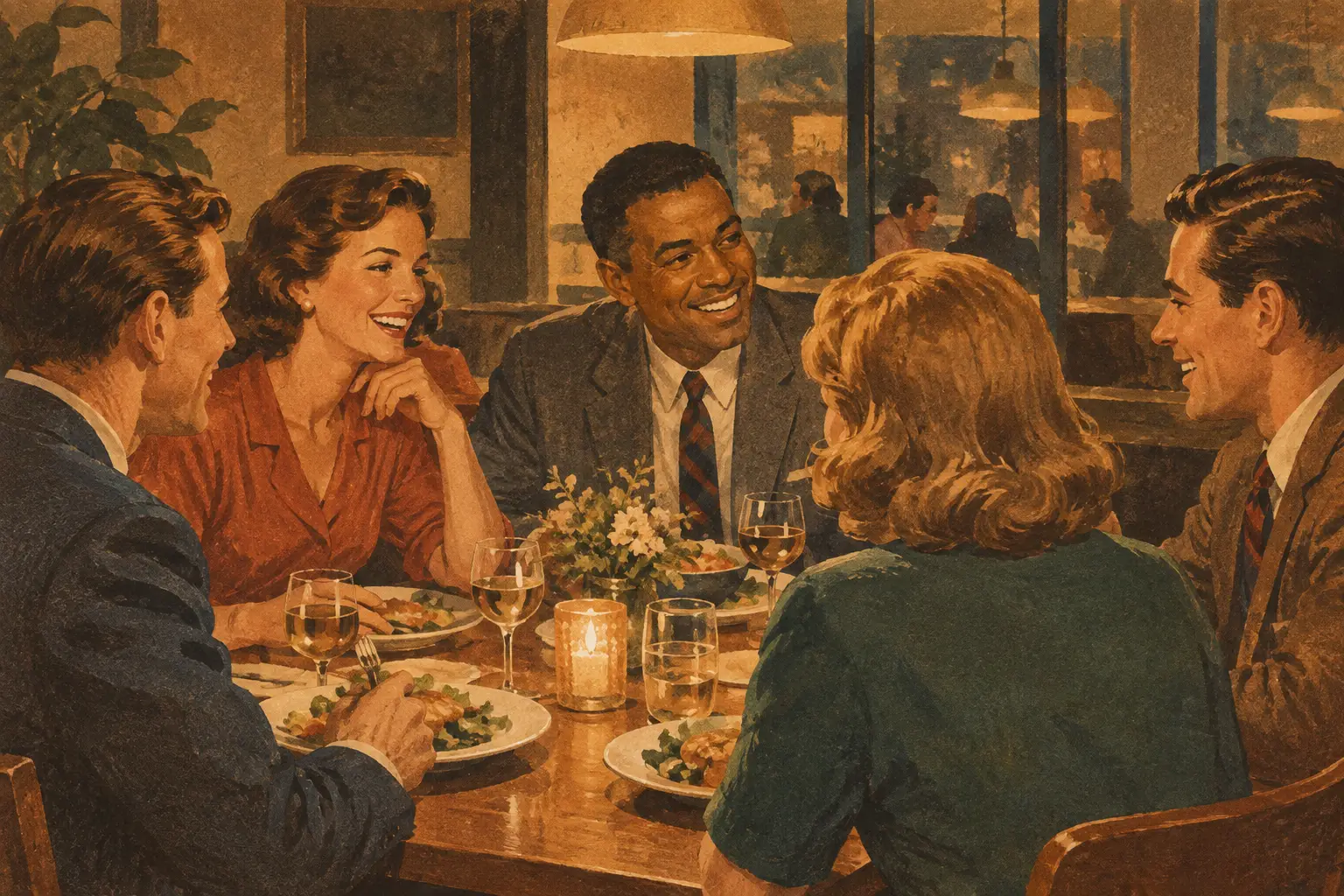
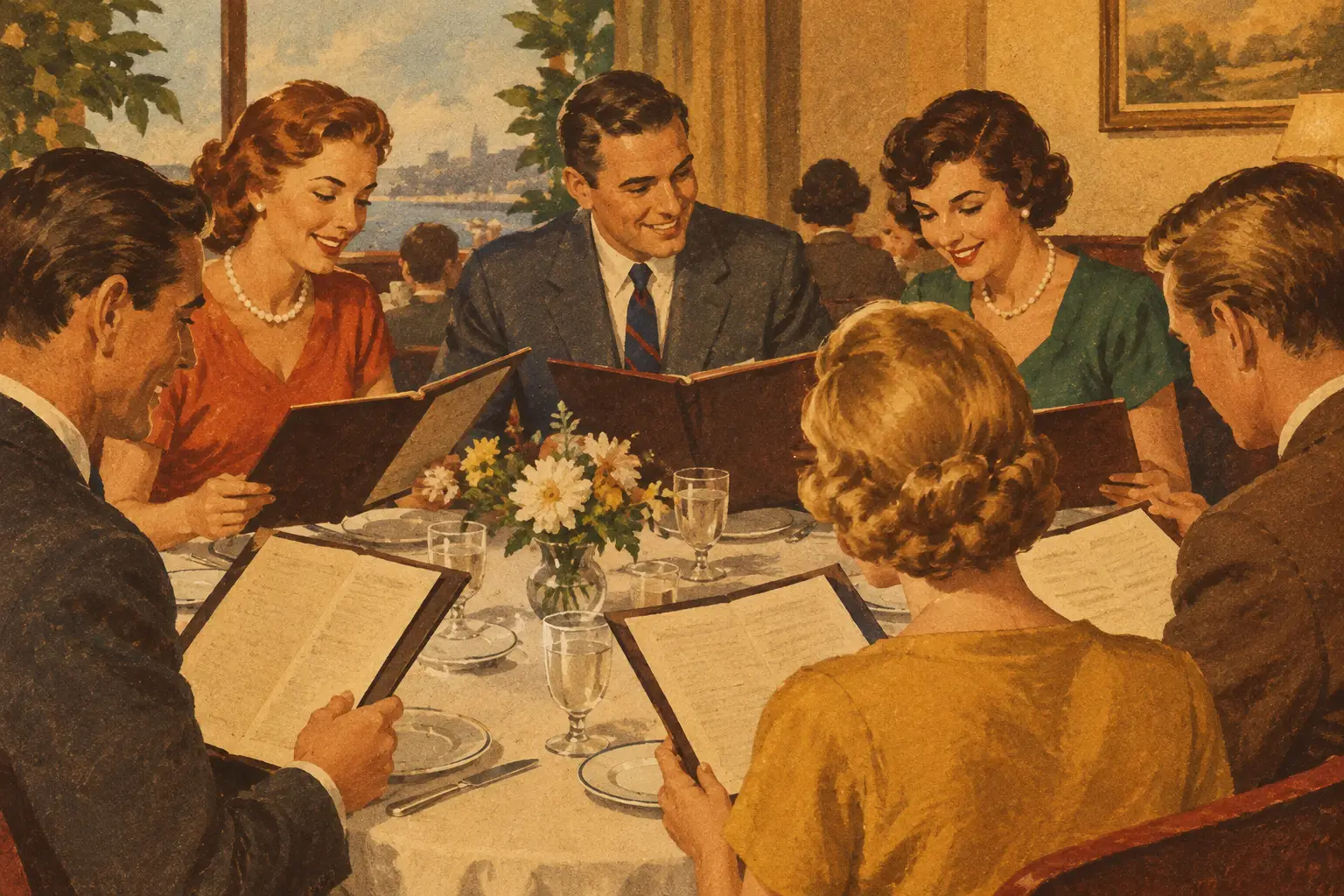
A business lunch should not feel like a meeting squeezed between emails. Done well, it gives people room to talk properly, share good food and leave with a clearer sense of one another. If you are wondering how to plan business lunches that feel productive without becoming stiff, the answer usually lies in a few thoughtful choices made before anyone sits down.
For a client you hope to know better, a colleague you want to thank or a small team gathering in Richmond, the aim is simple: make every guest feel looked after. The setting, the timing and the pace of the meal all matter as much as what is said across the table.
Start with the purpose, not the restaurant
A business lunch can mean very different things. A first conversation with a prospective client needs privacy, calm service and enough time to build rapport. A catch-up with your team may call for a more relaxed room, a little wine if appropriate and food worth lingering over. A farewell, celebration or visiting supplier might suit a longer lunch with several courses.
Be clear about the purpose before you send an invitation. It will guide the length of the booking, the number of guests and the kind of table you request. A lunch intended to make a strong first impression is rarely the right moment for an over-packed schedule or a venue where you have to compete with loud music.
There is also a useful distinction between a working lunch and a sociable lunch. If documents need to be reviewed or a decision needs to be made, allow a little more structure. If the purpose is relationship building, do not fill every quiet moment with shop talk. The best conversations often begin once people have put their phones away and started sharing a plate of something delicious.
Choose a table that suits the conversation
Convenience matters, especially in London. Choose somewhere your guests can reach easily, with a clear meeting point and a dependable lunchtime service. Near Richmond Underground Station, an independent restaurant can offer a more personal alternative to a hurried café or a familiar chain.
Atmosphere deserves just as much attention. You want a lively room, not a silent one, but guests should be able to hear each other without leaning across the table. A table with enough space for water, menus and a few notes is helpful, particularly when lunch involves more than two people. For a sensitive conversation, ask when booking whether a quieter table is available.
Food should be a pleasure rather than a distraction. Simple, freshly prepared dishes tend to work well: a rustic starter to share, pasta made with seasonal ingredients and options that do not leave guests feeling too heavy for the afternoon ahead. Italian food has a natural place at the business-lunch table because it is generous without being formal. It invites conversation, yet it does not demand a ceremony.
At L’assaggino, the warm, intimate room and freshly made pasta make a fitting setting for smaller gatherings where good food and attentive service set the tone without taking over the occasion.
Think ahead about dietary needs
Ask about dietary requirements when you invite people, rather than putting anyone on the spot at the table. A short, straightforward question is enough. Passing the information on when you book gives the kitchen time to advise properly and lets every guest order with confidence.
This is not only good manners. It prevents the awkward pause when someone scans the menu under pressure, and it shows care before the lunch has even begun. If you are hosting a group, check whether anyone avoids alcohol, has a tight schedule or would appreciate a lighter choice.
How to plan business lunches around time
Most business lunches work best when they have a clear shape. For two people, an hour to an hour and a half is often enough. For a group of four or more, allow closer to two hours, particularly if you would like starters, dessert or coffee. Booking at 12.15 or 12.30 can give you a comfortable start before the busiest part of service, while a 1pm table may be more practical for guests travelling from meetings.
Tell guests the expected finish time in the invitation. It is a small courtesy that makes attendance easier and avoids the host needing to glance at their watch midway through a conversation. If someone must leave early, seat them where they can do so discreetly.
When the lunch is genuinely about business, resist the temptation to cover everything at once. Choose one or two outcomes you would like from the meeting. You may want agreement on a next step, a clearer understanding of a brief or simply a stronger connection. The table is not a boardroom, and it should not be treated like one.
A useful rhythm is to begin with easy conversation, move to the main point once everyone has settled, then leave the final part of the meal for questions and agreed actions. This feels more natural than opening a notebook the moment coats come off. If notes are necessary, keep them light and make eye contact the priority.
Order with your guests in mind
The host sets the pace. Arrive a few minutes early, welcome people as they come in and avoid making the whole table wait for one late guest if the restaurant is ready to begin. Offer water first and let everyone have time to look at the menu.
For a short lunch, two courses are usually the sweet spot. A starter and pasta, or pasta followed by coffee, offers enough of an occasion without creating a long afternoon. For a more celebratory lunch, sharing a few starters can immediately make the table feel warmer. There is something disarming about passing good bread, olives or a plate of seasonal antipasti around the table.
Wine can be part of the welcome, but it should never become the point of the lunch. Let guests lead. A glass of crisp white, a light red or a little prosecco may suit a relaxed gathering, while sparkling water and good coffee are equally hospitable choices. If you are unsure, ask the restaurant for a recommendation that works with the food and the time of day.
Avoid choosing for people unless you know them well, and do not rush a guest who needs a little longer to decide. A considerate host makes the experience feel easy, not managed.
Make the conversation generous
The strongest business lunches are built on curiosity. Ask questions that invite a real answer: what is keeping them busy, what would make the next few months easier, what are they looking forward to? Listen for the detail rather than waiting for your turn to speak.
There are subjects to handle carefully. Personal questions, office gossip and complaints about mutual contacts can turn a pleasant lunch into an uncomfortable one. Equally, it is fine if the conversation wanders to local recommendations, holidays, food or family life when guests volunteer it. A little humanity is often what makes a professional relationship last.
Mobile phones should stay off the table where possible. If you are expecting an urgent call, mention it briefly at the start and step away if it comes. Checking messages while someone is speaking sends a louder message than most people intend.
Finish with clarity and warmth
As lunch draws to a close, bring the practical point back gently. Confirm who will do what next, or suggest a sensible time to follow up. Do not turn the final ten minutes into a hard sell. A simple, clear next step is more useful than a flurry of promises made over espresso.
If you are hosting, settle the bill quietly. This is easiest when you have spoken to the restaurant in advance, especially for a group. Check whether service is included, and make sure no one is left wondering what they owe or whether they should reach for a card.
A short message later that day can carry the good feeling beyond the meal. Thank your guest for their time, mention one useful point from the conversation and confirm any next action. It is thoughtful, professional and far more memorable than a generic follow-up.
The right business lunch leaves people feeling that their time was valued. Choose a table with warmth, allow the meal to breathe and give the conversation the attention it deserves. Good pasta and a well-poured glass of wine cannot make the decision for you, but they can make reaching it feel rather more enjoyable.