The best pasta restaurants do not need theatrical tricks. You notice them in the first forkful: pasta with a little resistance, a sauce that clings rather than pools, and ingredients allowed to taste like themselves. Then there is the room around it – the welcome at the door, the bottle opened at the table, the feeling that nobody is trying to hurry a good evening along.
For diners in Richmond, a proper Italian meal can be both a small escape and a familiar pleasure. It might be a quick lunch between meetings, supper with the children, or a table full of friends lingering over wine. What makes it memorable is not formality. It is care, warmth and food prepared with conviction.
Why great pasta restaurants feel different
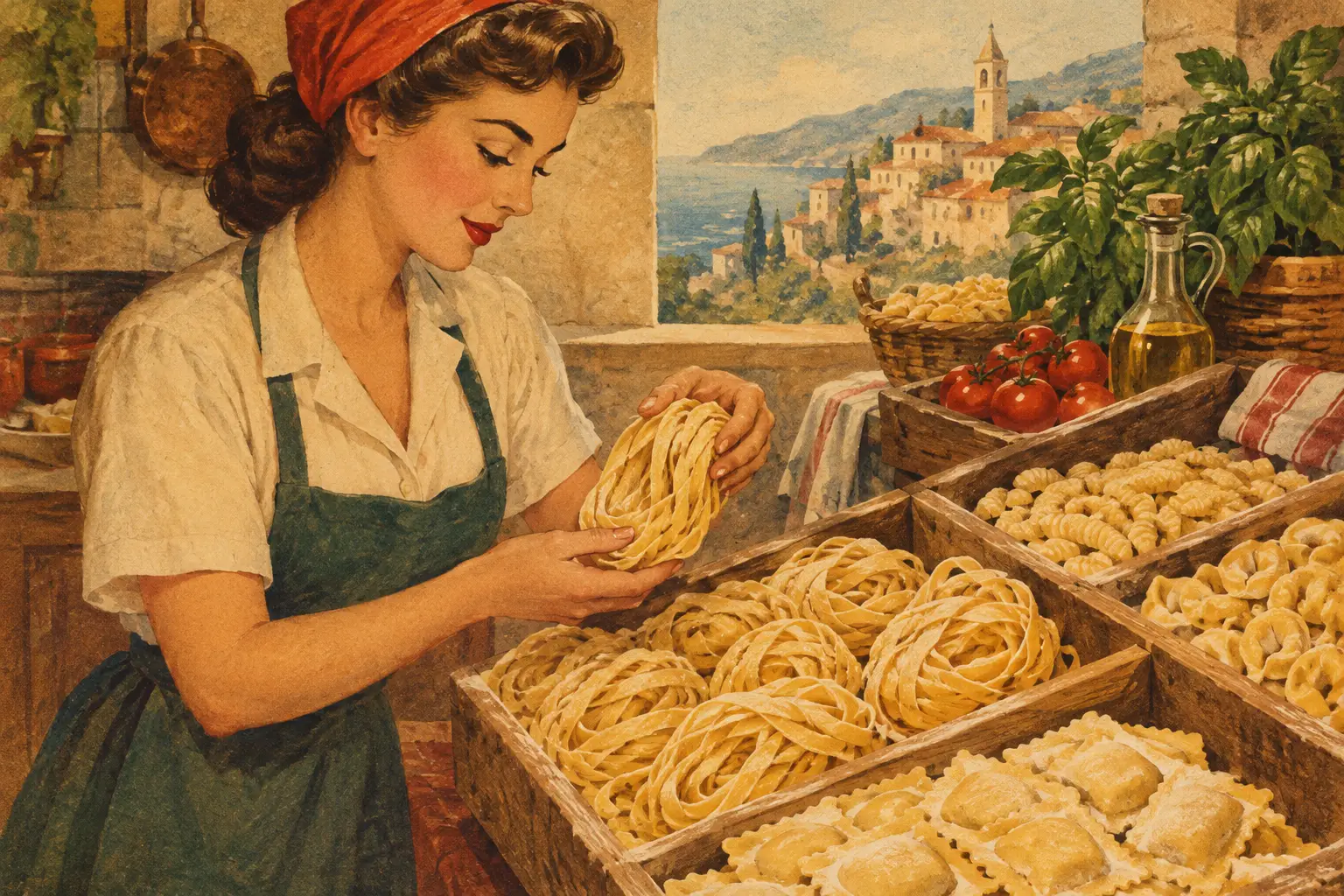
Pasta is often treated as the safe choice on a menu. It should be the opposite. A plate of tagliatelle, ravioli or malloreddus gives a kitchen nowhere to hide. When the dough is fresh, the cooking precise and the seasoning balanced, simplicity becomes the point.
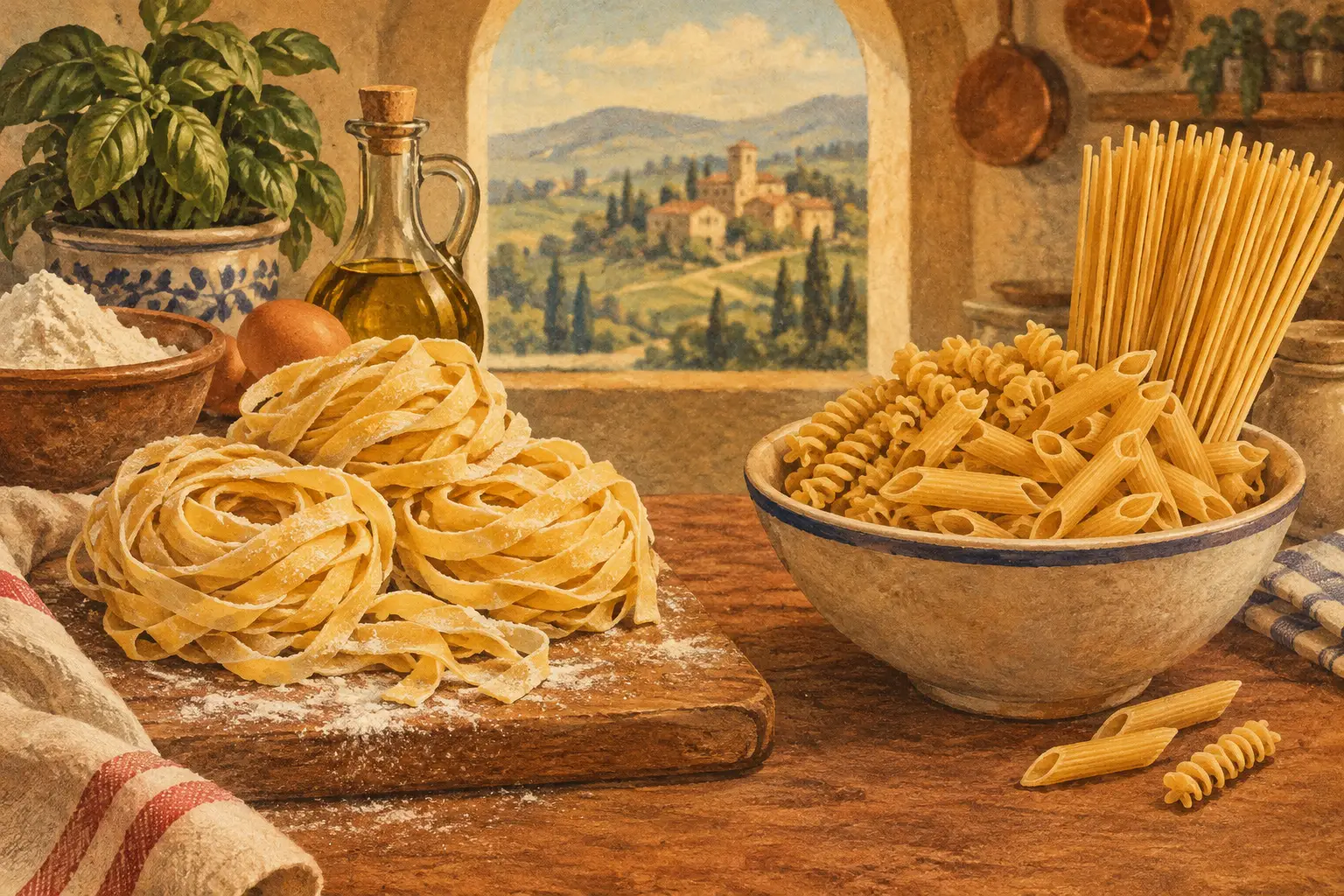
Freshly made pasta has a texture that dried pasta cannot quite replicate: tender but structured, with a satisfying bite. Its shape matters too. Fine ribbons suit a silky sauce; ridged tubes hold a slower-cooked ragù; filled pasta needs enough restraint around it for the filling to remain the star. These details may sound small, but they change every mouthful.
That does not mean dried pasta has no place. In many Italian homes and excellent restaurants, it is chosen deliberately for particular shapes and sauces. The real question is whether the pasta has been selected and cooked with purpose. Good Italian cooking is not about making every dish complicated. It is about making the right decisions before the plate reaches the table.
Seasonality brings life to the menu
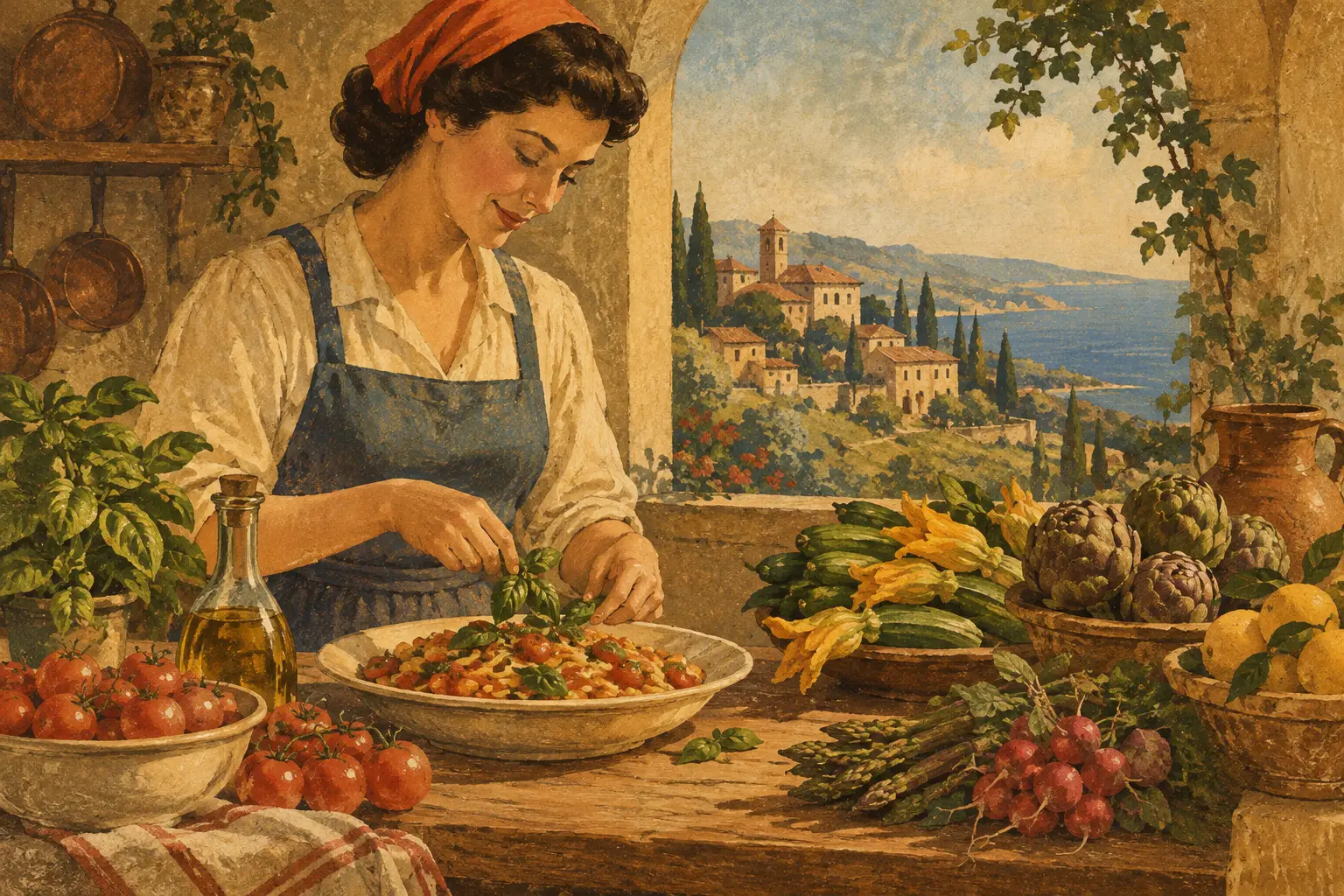
A pasta menu should move with the year. In warmer months, that may mean tomatoes, courgettes, basil, lemon and lighter seafood dishes. When the evenings draw in, there is room for slow braises, mushrooms, squash, sausage, rich cheeses and deeper sauces.
Seasonal cooking also keeps regular visits interesting. A familiar favourite is comforting, but a changing special offers a reason to return and try something new. It reflects how Italians tend to eat at their best: according to what is plentiful, ripe and worth cooking now.
The ingredient list need not be long. In fact, a short list often asks more of each component. Sweet tomatoes need proper olive oil. Pecorino needs the right amount of salt behind it. A slow-cooked sauce needs time, not unnecessary decoration. When ingredients are good, the cook’s job is to bring them together with confidence.
The pleasure of an Italian table
The most inviting pasta restaurants understand that the meal begins before the pasta arrives. Rustic starters passed around the table set the pace – perhaps cured meats, vegetables, bread or a simple dish that encourages everyone to share. They make a dinner feel generous without making it overcomplicated.
Wine belongs naturally in that picture. It need not be grand or intimidating. A crisp white can lift a seafood pasta, while a bright, savoury red can stand up beautifully to ragù or a richer Sardinian-inspired dish. The best wine list is one that gives diners a choice, offers value at different price points and comes with friendly advice when it is wanted.
There is a particular joy in a midweek glass of prosecco, too. It turns an ordinary Wednesday into a reason to meet someone you have been meaning to see. Good neighbourhood restaurants make space for these moments. They are not reserved only for birthdays or anniversaries.
Hospitality cannot be mass-produced
Food matters first, but people remember how a restaurant made them feel. A warm welcome, a server who knows the menu, and attention without constant interruption all change the atmosphere. This is where an independent restaurant has something special to offer.
Chain dining can be convenient, and sometimes convenience is exactly what the occasion calls for. But standardisation has limits. It rarely delivers the sense that someone has noticed you are celebrating, remembered your favourite wine, or genuinely wants you to enjoy the table for as long as you need it.
At L’assaggino, that personal approach sits at the heart of the meal. Set within a Grade II listed building close to Richmond Underground Station, it is designed to feel like a neighbourhood find rather than a formula. The mood is lively and welcoming, the cooking rooted in Italian tradition, and the details are looked after by a team who take pride in the room as much as the food.
Choosing pasta restaurants for the occasion
Not every Italian restaurant needs to serve every purpose in the same way. A quiet date night calls for a cosy table, a little time and a wine list worth discussing. A family meal benefits from a relaxed welcome and dishes that please different appetites. For a work lunch, the priorities may be generous portions, fair pricing and service that respects the clock.
Groups need something else again. A long table can be one of the best ways to celebrate, provided the kitchen is ready for it. Shared starters, considered menus and a team that can guide the evening make a real difference when friends, colleagues or family are gathering. For weddings, Christmas parties and private celebrations, bespoke planning matters far more than a generic package.
When choosing where to book, look beyond the word “Italian”. Ask whether the menu feels seasonal, whether there is a genuine pasta focus, and whether the setting suits the people you are bringing. Read what regular diners say about the welcome as well as the food. A restaurant earns repeat custom when both are consistently good.
Small signs of a kitchen that cares
You can often spot care without seeing behind the pass. Sauces should taste integrated rather than separate from the pasta. Parmesan or pecorino should support a dish, not bury it. Plates should arrive hot when they need to be hot, and pasta should not sit around losing its texture.
Balance is another clue. Italian food can be rich, but it should still have freshness: acidity from tomato or wine, peppery olive oil, herbs, citrus, bitter leaves or a clean finish from a well-chosen glass. After a satisfying bowl of pasta, you should feel happy to continue the evening, perhaps with a dessert, an espresso or one more conversation.
Value should be judged in the round. The cheapest plate is not always the best value, and an expensive plate is not automatically evidence of quality. Fresh ingredients, skilled preparation, thoughtful service and a welcoming setting are all part of what you are paying for. A good local restaurant makes that feel worthwhile rather than showy.
Make a meal of it
There is no single correct way to order pasta. Some evenings call for starters, a bottle of wine and a leisurely dessert. Others need only a bowl of pasta and a glass before heading home. Both can be excellent if the food is made with care and the welcome is genuine.
The pleasure of a neighbourhood Italian restaurant is that it can become part of your own rhythm: somewhere to take visiting friends, somewhere to mark good news, somewhere to return to when cooking feels like too much effort. Choose the place where the pasta is taken seriously, the wine is poured generously, and there is always room for one more person at the table.